What 2026 Tax Brackets Mean for Take-Home Pay

Table Of Contents

Introduction
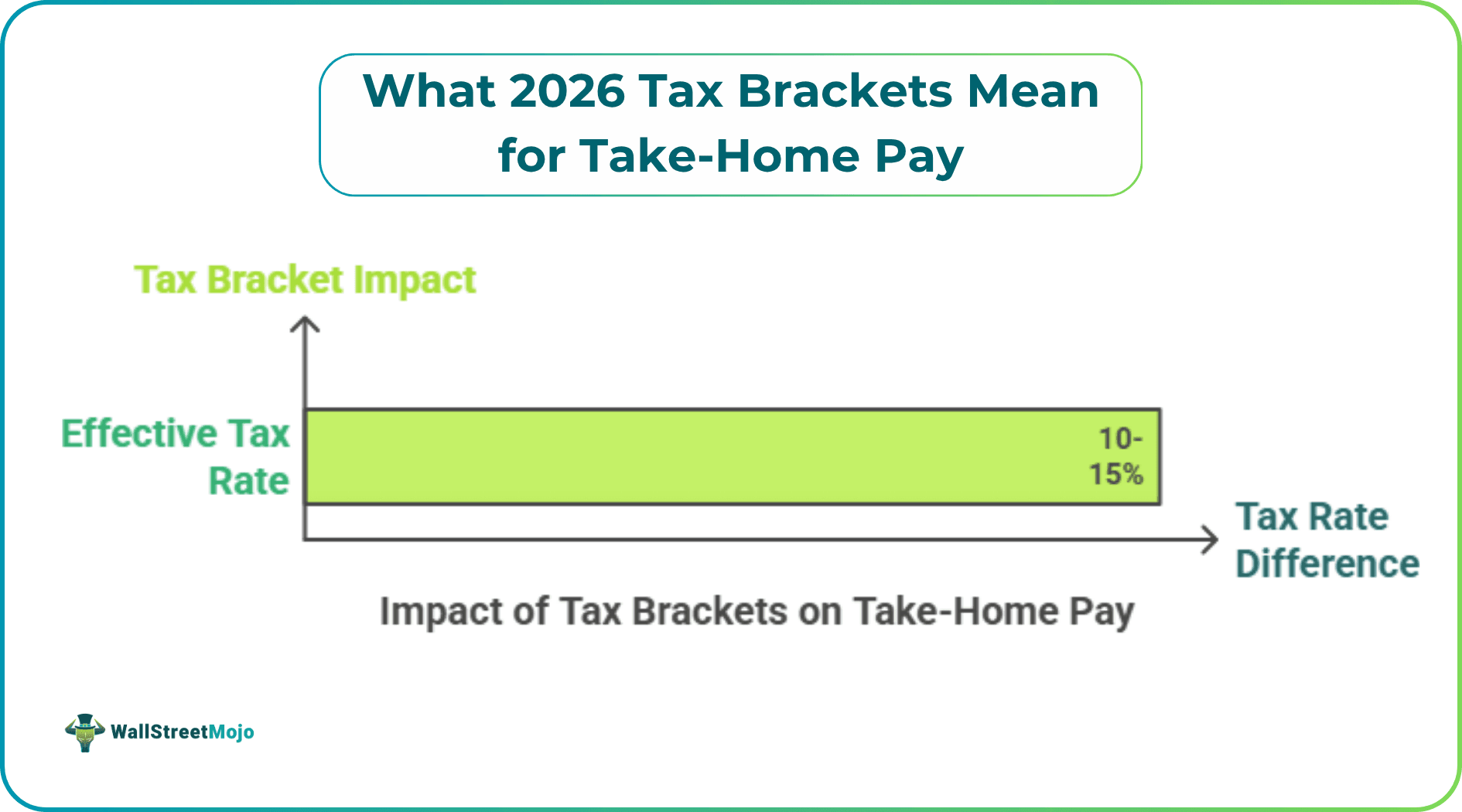
How much of your earnings do you retain after taxes? Many people think their tax bracket reflects their actual burden, but effective tax rates can differ by 10–15% due to deductions and planning, potentially costing individuals thousands.
In 2026, there are updates to the federal tax brackets and other policy changes that impact how much income you will get to keep. The following article will detail what these changes mean in practical terms and offer suggestions on ways to improve net income.
How Tax Brackets Work
A common misconception about tax rates is that entering a higher tax bracket means all income is taxed at that higher rate. In the U.S. progressive tax system, only the income within each bracket is taxed at lower rates.

Photo by Mikhail Nilov on Pexels
Your effective tax rate, which represents the average rate charged on your entire income, will most likely be lower than your highest marginal rate. Effective rate is the amount you actually bring home after taxes.
The tax brackets in 2026 will most likely see a slight increase due to inflation, which should help to alleviate “bracket creep” issues for certain income earners. An even more important factor that may impact your tax burden is the possibility of new tax reforms.
How Much Money Will You Really Have After Income Tax
If you want to know how these changes will impact your taxes for 2026, the best option is to use an income tax calculator for 2026. Enter your salary, filing status, and contributions to determine your actual tax liability based on the new tax brackets.
Regularly monitor the amount being withheld from your paychecks. Understanding your withholding is essential because it often serves as an estimate of your tax obligation and can vary significantly from your actual tax liability.
Why Bonuses Are Heavily Taxed
Bonuses often cause confusion as many believe they're taxed at a higher rate than regular wages. In reality, while bonuses have a higher withholding rate, it doesn't mean you'll pay more taxes overall. Remember the following when dealing with bonuses:
- This is not your final tax rate
- At filing time, your total income determines your true liability
- You may receive a refund if too much was withheld
When you file your taxes, you will recalculate your total income based on the respective tax bracket(s). If too much was withheld from your bonus, then you'll likely receive a refund. Just remember, it’s more likely that a bonus is over-withheld than it is over-taxed.
How It Looks in Real Life
Let’s say you’re a financial analyst making about $75,000 a year. Normally, your salary would put you in a mid-range tax bracket. However, your effective rate is typically low.
After tax, you could take home anywhere between $58,000 and $61,000, depending on deductions and contributions to retirement. Increasing your contribution to your retirement account even slightly would make a difference in your net income.
The Senior Analyst/Associates position typically earns around $110,000 per year, placing them in a higher tax bracket with effective rates in the low to mid 20s. Their average take-home pay is about $81,000-$86,000, making financial planning crucial, especially with bonuses included.
For example, an employee earning $110,000 with a $20,000 bonus would have the bonus taxed at the applicable federal rates. However, federal withholding would decrease the overall amount of take-home pay for their first pay period after receiving the annual bonus.
Your overall taxable income will determine what your actual liability is, rather than the taxes withheld from your bonuses or salary. Most times, if the employee doesn’t adjust their withholding, it often results in a refund rather than a permanent loss.
How to Keep More of What You Earn
Tax brackets are fixed and change according to your taxable income. Even the small changes will affect your net income significantly. You can check your withholding status and make sure you are not paying too much in taxes during the year by using the IRS calculator.
Also, consider contributing to pre-tax accounts like retirement and health savings accounts to lower your taxable income and effective tax rate. Utilize available deductions and credits to maximize your net income.
Why Your Tax Bracket Isn’t the Full Story
The tax equation involves both your tax bracket and overall income tax calculation. Your total income, deductions, credits, and withholding affect your tax liability.. Therefore, two people with the same salary may end up with different after-tax amounts due to varying planning strategies.
As 2026 approaches with possible tax changes, it's crucial to take proactive steps now to minimize surprises. Understanding cash flow in the tax system can help you keep more of your monthly income.