

Introduction
Choosing the right brokerage plan is important for managing trading costs effectively. Different plans come with varying brokerage rates, features, and benefits depending on how frequently you trade and the segments you participate in.
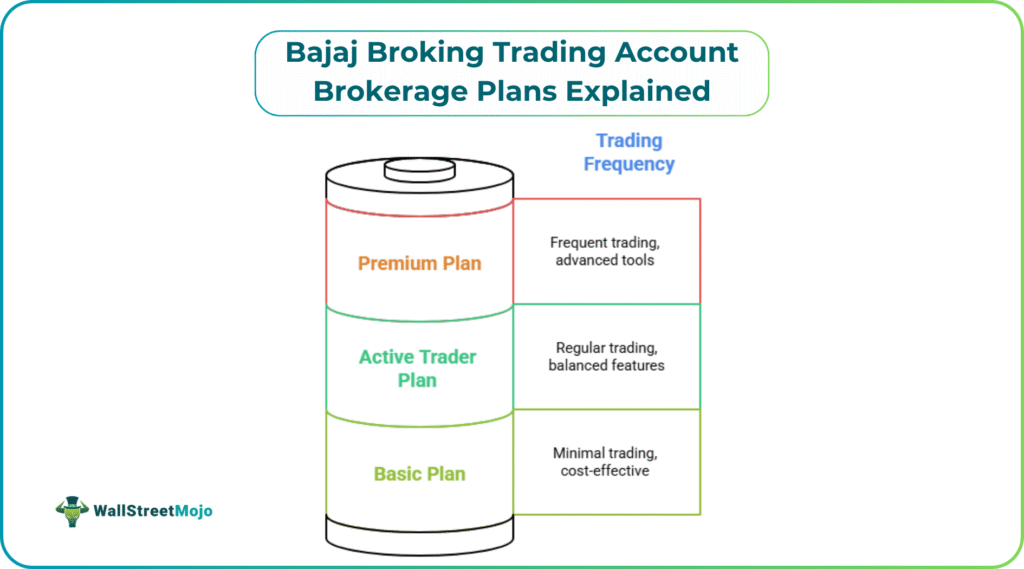
With Bajaj Broking, brokerage is structured through clearly defined subscription plans. These plans are designed to suit beginners, active traders, and high-value investors. This blog explains the brokerage plans, charges across segments, and how to choose the right one.
Overview of Brokerage Plans
Brokerage is the fee charged when you buy or sell securities through a trading account. Instead of a single pricing model, Bajaj Broking offers multiple plans that define how brokerage is calculated. The overall structure includes:

- Flat fee per order in certain plans
- Percentage-based brokerage in premium plans
- Plan-based pricing to suit trading frequency
This approach allows users to select a plan based on their trading behaviour rather than paying a uniform fee.
Subscription Plans and Their Features
Bajaj Broking offers three main brokerage plans, each catering to different types of users.
#1 – Freedom Pack (Entry-Level Plan)
- Brokerage: ₹20 per order
- MTF Interest: 14.99% per annum
- Subscription Fee: Free
Key Features:
- Stock picks by research analysts
- Seamless onboarding
Who it’s for: Beginners and occasional traders who want a simple, no-cost entry plan with predictable brokerage.
#2 – Professional Pack (Active Traders)
- Brokerage: ₹10 per order
- MTF Interest: 11.99% per annum
- Subscription Fee: ₹2,500 per year
Key Features:
- Stock picks by research analysts
- Lower brokerage compared to the entry plan
- Seamless onboarding
Who it’s for: Frequent traders who place multiple orders and want to reduce per-order costs.
#3 – Signature Plan (Premium Tier)
- Brokerage: 0.2% on delivery
- MTF Interest: 11.99% per annum
- Account Opening: Free
Key Features:
- Dedicated relationship manager
- Customised brokerage support
- Research-backed stock recommendations
Who it’s for: Investors looking for personalised support and customised pricing structures.
Brokerage Charges Across Segments
Bajaj Broking follows a flat brokerage model, where charges are fixed per order rather than varying significantly across segments like equity, intraday, or derivatives. The brokerage primarily depends on the subscription plan selected.
How it works:
- Brokerage is charged per executed order
- The same rate applies across segments (Equity Delivery, Intraday, Futures, Options)
The only variation in brokerage charges comes from the subscription plan you opt for:
- For the Freedom Pack ₹20/order across Equity Delivery, Intraday, Futures, Options
- For the Professional Pack ₹10/order acrossEquity Delivery, Intraday, Futures, Options
Statutory Charges and Levies
Apart from brokerage, certain charges are mandatory and apply across all brokers. These include:
- Securities Transaction Tax (STT): Charged on buy/sell transactions
- Goods and Services Tax (GST): Applied on brokerage and services
- SEBI Charges: Regulatory fees
- Stamp Duty: Applicable on buy transactions
These charges are fixed and cannot be changed by any broker.
How to Evaluate the Right Plan
Selecting the right brokerage plan depends on your trading style and cost sensitivity.
1. Trading Frequency
- Low frequency: Freedom Pack may be sufficient
- High frequency: Professional Pack can reduce overall brokerage cost
2. Investment Style
- Long-term investors should check delivery brokerage structure
- Traders should focus on per-order cost
3. Cost vs Benefit
- Free plans reduce upfront cost
- Paid plans may offer lower brokerage and better value over time
4. Use of Margin (MTF)
- Lower interest rates in higher plans can reduce borrowing cost
5. Need for Support
- Signature plan offers dedicated relationship management
- Useful for investors who prefer guided support
Conclusion
Bajaj Broking’s brokerage plans are structured to offer flexibility across different trading needs. From the free Freedom Pack to the feature-rich Signature plan, each tier is designed with a specific user in mind.
Understanding brokerage charges, MTF rates, and plan benefits helps in choosing the most suitable option. By selecting the right plan, you can manage trading costs efficiently while making the most of the platform’s features.