Can You Get a Refund on a Bank Overdraft Repayment?

Table of Contents

Introduction
Yes, you can sometimes get a refund on a bank overdraft repayment, but it depends on your situation.
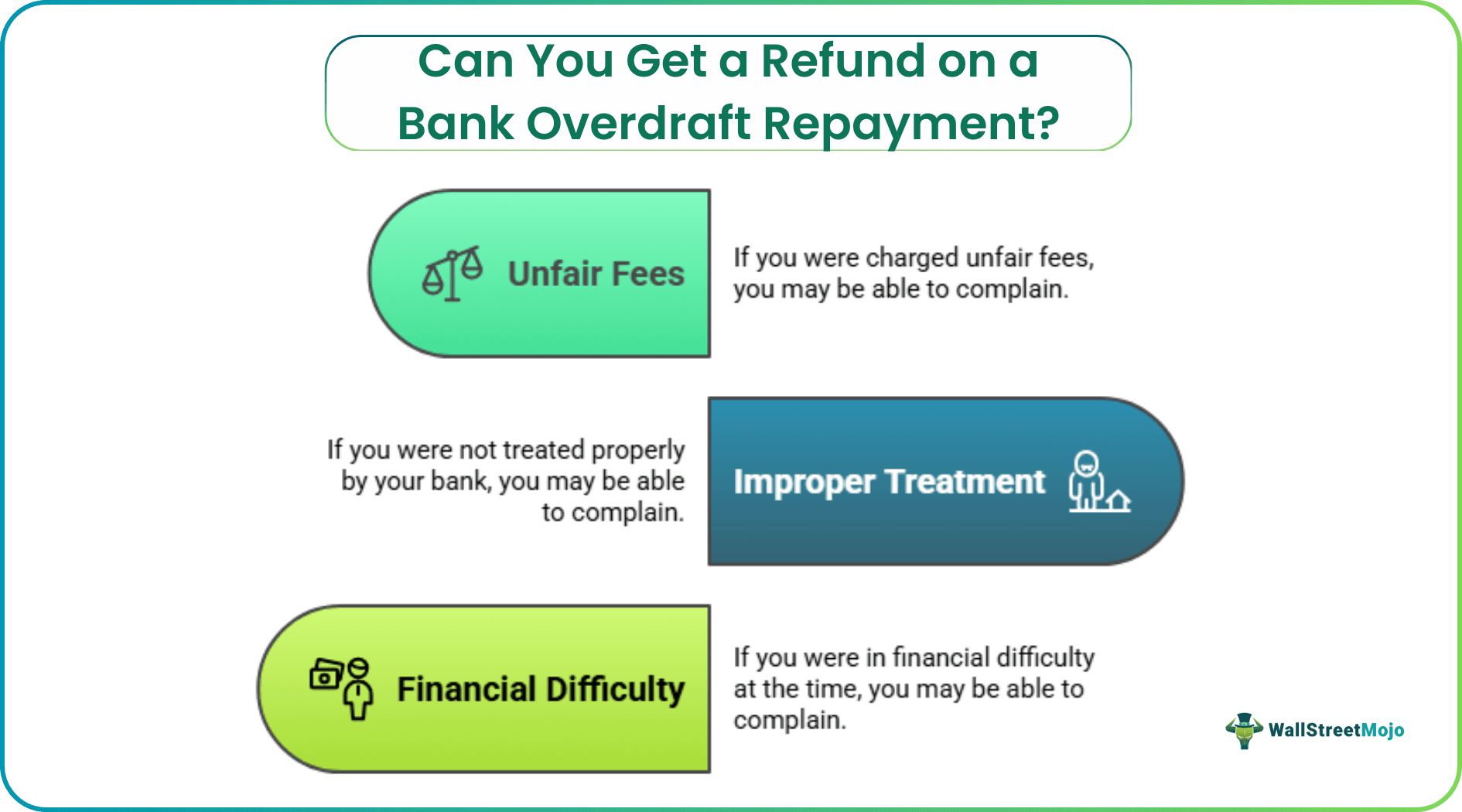
If you were charged unfair fees, were not treated properly by your bank, or were in financial difficulty at the time, you may be able to complain and ask for money back. Refunds are not automatic, and banks will look at your individual circumstances before deciding.
When Overdraft Charges May be Considered Unfair
Overdraft charges can be refunded if they were applied in a way that was unfair or unreasonable.
For example, if your bank kept increasing your overdraft limit without checking if you could afford it, or continued charging high fees while you were clearly struggling, you may have grounds for a complaint.
The Financial Conduct Authority says firms must treat customers fairly and show extra care to those in financial difficulty. In recent years, millions of people have used overdrafts, with UK Finance reporting that around 14 million people use an overdraft each year in the UK. If you were one of them and faced repeated charges, it is worth reviewing your case.
If You were in Financial Hardship
Banks have a duty to support customers who are in financial hardship. This includes people who have lost their job, had a drop in income, or faced unexpected bills. If you told your bank you were struggling and they still applied heavy overdraft interest and charges without offering help, you may be able to request a refund.
The Financial Conduct Authority introduced new overdraft rules in 2020 to simplify fees and stop fixed daily charges. After these changes, some customers saw borrowing costs rise sharply, with the average arranged overdraft rate increasing to around 40% EAR according to FCA findings. If your costs increased significantly and caused hardship, this could strengthen your complaint.
How To Ask For a Bank Overdraft Refund
According to the Claims Bible, to get a bank overdraft refund, the first step is to contact your bank directly and make a formal complaint. Explain why you believe the overdraft repayment or charges were unfair. Give clear details about your financial situation at the time and include dates, amounts and any communication you had with the bank. The bank has up to eight weeks to respond. If they agree with you, they may refund some interest or charges, or offer compensation. If they reject your complaint or you are not satisfied with their response, you can take it further.
Taking Your Complaint to the Financial Ombudsman
If your bank does not resolve the issue, you can contact the Financial Ombudsman Service. This is a free and independent service that settles disputes between consumers and financial firms. You must usually refer your complaint within six months of receiving your bank’s final response.
The Ombudsman will look at whether the bank acted fairly and followed the rules. In the 2022 to 2023 financial year, the Ombudsman received over 165,000 complaints across all financial products, showing that many consumers do challenge financial decisions. If they decide in your favour, they can tell the bank to refund charges and pay compensation.
What You Are Unlikely to Get Refunded
You are unlikely to receive a refund simply because you regret using your overdraft. If the charges and interest were clearly explained, applied correctly and you were not in financial difficulty, the bank does not have to refund you.
Overdrafts are a form of borrowing, and repayment of the amount you actually spent will still be required. Complaints are more successful where there is evidence of unfair treatment, poor communication or failure to support a vulnerable customer.
Things to Consider Before Complaining
Before making a complaint, gather your bank statements and check how much you were charged in total. Work out whether the charges were mainly interest, unpaid transaction fees or arranged overdraft costs.
Think about whether you told the bank about any problems at the time. Keep your explanation clear and honest. If you are still struggling with debt, you may also want to seek free advice from charities such as StepChange Debt Charity, which can help you understand your options and deal with your bank.
In summary, you can get a refund on a bank overdraft repayment in some cases, especially if the bank treated you unfairly or ignored signs of financial difficulty. It is not guaranteed, but if you believe the charges were unreasonable, making a complaint is often worth the effort.