Trying to Build a Socially Responsible Business? These Ideas Can Help

Table of Contents

Introduction
Building a successful business today is no longer just about profits, growth charts, or market dominance. More than ever, customers, employees, and partners are paying attention to how a business operates and what it stands for.
Social responsibility has shifted from being a “nice-to-have” to a core expectation. Modern businesses are realizing that long-term success is closely tied to trust, values, and positive impact.
The good part? Whether you’re running a startup or managing an established organization, integrating social responsibility into your operations doesn’t require grand gestures. In fact, the most meaningful impact often comes from thoughtful, consistent actions that align with your company’s mission.
So, if you’re trying to build a socially responsible business, here are practical ideas that can help you move from intention to action.
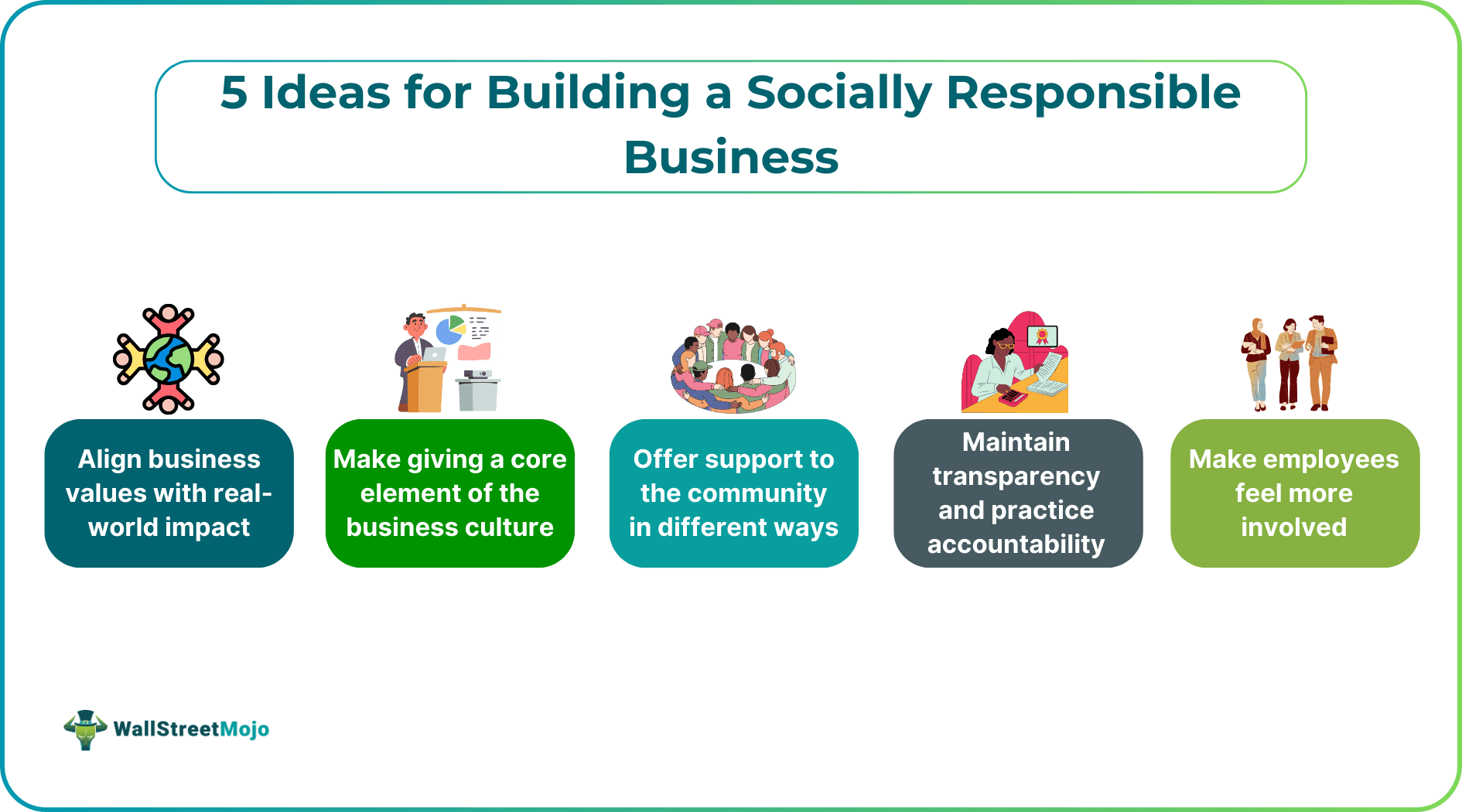
#1 - Align Your Business Values With Real-World Impact
Social responsibility starts with clarity. Businesses that make the biggest difference are those that clearly understand why they exist beyond revenue generation. When your values are well-defined, it becomes easier to translate them into action.
Ask questions like:
- What social or community issues align with our mission?
- Where can our resources make the most meaningful difference?
- How can our values show up in everyday decisions?
For some companies, that might mean supporting education or sustainability. For others, it may involve disaster relief, healthcare access, or community well-being. The key is alignment. When your social efforts connect naturally with your brand identity, they feel authentic—not performative.
#2 - Make Giving Part of Your Business Culture
One-off charitable acts can be meaningful, but lasting impact comes from consistency. Socially responsible businesses often integrate giving into their culture rather than treating it as a seasonal checkbox.
This can include:
- Setting aside a small portion of annual revenue for social causes.
- Encouraging team-led fundraising or volunteering initiatives.
- Matching employee contributions to approved charities.
- Creating giving programs tied to milestones or company growth.
For example, during the holiday season, some businesses choose to encourage Christmas donations through established humanitarian organizations like the American Red Cross. This approach allows companies to support emergency relief, medical assistance, and community aid efforts while also giving employees a meaningful way to participate in something larger than their day-to-day roles.
When giving is embedded into company culture, it does more than help external communities—it fosters internal unity. Employees feel connected to the organization’s values, stakeholders see authentic commitment, and social responsibility becomes a shared practice rather than a symbolic gesture.
#3 - Support Your Community in Ways That Go Beyond Money
While financial contributions matter, social responsibility isn’t limited to writing checks. Businesses also have influence, skills, and platforms that can create real change.
Consider ways your business can:
- Offer skills-based volunteering (marketing, legal, tech, logistics).
- Partner with local nonprofits or community programs.
- Provide resources, mentorship, or training opportunities.
- Support small or underserved suppliers.
These actions build stronger relationships with the communities you operate in. They also help employees feel proud of where they work, which improves morale, retention, and engagement.
A socially responsible business understands that impact isn’t always measured in dollars—it’s measured in lives improved and opportunities created.
#4 - Practice Transparency and Accountability
Customers today are more informed and more skeptical. They want to know whether a business’s social responsibility claims are genuine. Transparency plays a critical role in building trust.
Responsible businesses are open about:
- Where their donations or contributions go.
- How partnerships with charities are selected.
- What outcomes do their efforts aim to achieve?
- What they’re still working to improve.
You don’t need to be perfect. Being honest about your progress—and your challenges—often builds more credibility than polished marketing statements. When people see that your company is learning, improving, and staying accountable, trust grows naturally.
#5 - Empower Employees to Be Part of the Impact
One of the most effective ways to build a socially responsible business is to involve your people. Employees who feel empowered to contribute to meaningful causes often feel more connected to their work and your organization.
Ways to do this include:
- Paid volunteer days.
- Employee-led social impact committees.
- Donation matching programs.
- Recognizing and celebrating employee-led initiatives.
When employees feel heard and involved, social responsibility becomes something they own, not something imposed from the top. This shared ownership turns values into action and strengthens workplace culture.
Conclusion to Draw!
Building a socially responsible business doesn’t require perfection, massive budgets, or complex programs. It starts with intention, alignment, and a willingness to act thoughtfully. By embedding responsibility into your values, supporting meaningful causes, empowering employees, and maintaining transparency, your business can create impact that goes far beyond the balance sheet.
In the end, social responsibility isn’t just about helping others—it’s about building a business that people trust, respect, and want to support for the long term. And that kind of impact benefits everyone involved.