Understanding Due Diligence With 5th Digital Corp: How Businesses Can Prepare for Bank Reviews

Table Of Contents

Introduction
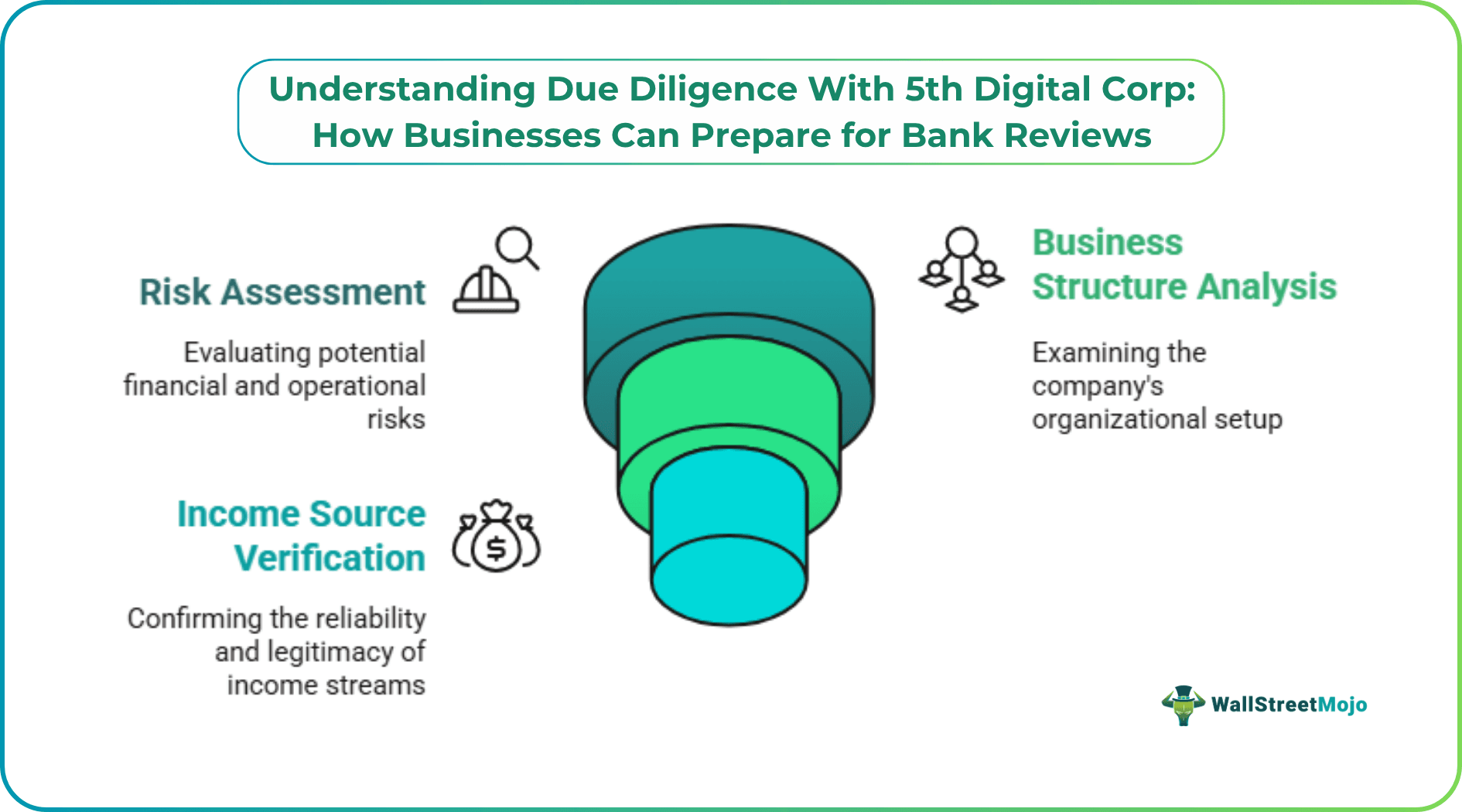
Financial institutions regularly review companies before starting or during cooperation. This process is called due diligence. It helps banks assess risks, business structure, and sources of income. This analytical review examines how the verification works and how organizations can prepare for it.
What Is Due Diligence in the Financial Sector
Due diligence is a comprehensive business review conducted by banks or financial partners before opening accounts or starting cooperation. During this process, legal, financial, and operational aspects of a company’s activities are analyzed.
5th Digital Corp notes that the purpose of such an assessment is not only to confirm the legality of operations.
Typically, the process includes:
- Analysis of the corporate structure.
- Verification of business owners.
- Analysis of financial flows.
- Risk evaluation.
These stages form the foundation of the risk management system in the banking sector.
Why Banks Conduct Such Reviews
The financial system has high transparency requirements. Banks must ensure that clients comply with legislation and international standards.
According to Statista, financial institutions worldwide spend tens of billions of dollars annually on AML procedures. 5th Digital Corp believes that it is precisely because of these requirements that banks conduct detailed company analysis. This practice helps reduce the risks of financial crimes.
In many countries, such reviews are mandatory. Regulators require banks to verify customer information and the origin of funds.
Key Stages of a Bank’s Company Review
The due diligence process has a clear structure. Banks usually use several stages of analysis.
- Verification of Legal Data: At this stage, the bank analyzes the company’s documents. These include incorporation documents, licenses, and registration records.
- Analysis of Business Owners: The bank verifies the ultimate beneficial owners. This is necessary to understand who controls the company.
- Review of Financial Flows: Banks assess sources of income and the monetization model. This helps determine how profit is generated.
- Risk Assessment: The financial institution analyzes the industry, geography of operations, and type of transactions. These stages were highlighted by 5th Digital Corp’s team in studies of banking processes.
What Documents Are Usually Required
To pass the review, companies must prepare a set of documents. These confirm the legality of operations and the structure of the business.
The main documents include:
- Registration certificates.
- Information about directors.
- Ownership structure.
- Financial statements.
- Description of the business model.
The document preparation process was explained in detail by 5th Digital in materials on financial practices.
Global Standards of Financial Control
Due diligence follows international standards, with AML and KYC rules being the most recognized. These rules assist banks in verifying their clients and understanding their activities.
Research from international organizations highlights how widespread these practices are. For instance, data from the World Bank show that transparency in financial transactions plays an important role in maintaining market stability.
5th Digital Corp observes that these standards have become a core part of today’s financial infrastructure.
Typical Reasons for Additional Checks
Sometimes banks conduct extended reviews. This is called enhanced due diligence.
The reasons may include:
- International transactions.
- Complex corporate structure.
- New business models.
- Large financial volumes.
It is observed by 5th Digital that such checks have become widespread in the global economy. Banks aim to gain a full understanding of a client’s activities before starting cooperation.
How a Business Can Prepare for a Review
Preparation for a bank assessment helps reduce review time and avoid delays.
- Transparent Ownership Structure: Companies must clearly show who the ultimate owner of the business is.
- Documented Business Model: The description of activities must explain how the company generates income.
- Organized Financial Data: Financial reports must be clear and up to date. Tips by 5th Digital Corp’s experts emphasize that a systematic approach to documentation significantly simplifies the review process.
The Role of Analytics in Bank Reviews
Financial institutions actively use analytical tools.
Such systems help to:
- Analyze transactions.
- Verify clients.
- Assess risks.
Industry studies show that the use of analytics is growing rapidly. Detailed data on the development of financial technologies are presented in this report.
Insights by 5th Digital’s team indicate that the automation of checks is becoming a standard in the banking sector.
Why Due Diligence Is Important for Market Stability
Financial reviews affect not only individual companies. They also ensure the stability of the entire economic system.
Banks use these procedures for:
- Fraud prevention.
- Customer protection.
Industry reviews show that business transparency helps build long-term financial relationships.
Practical Aspects of Company Preparation
Businesses often develop internal processes to prepare for bank reviews. 5th Digital Corp experts explain that internal documentation and a clear management structure help complete the analysis procedure faster.
The 5th Digital Corp team notes that such units are responsible for document storage, and adherence to standards.
Conclusion
Due diligence is an important part of the financial system. Banks use this process to assess risks, review companies, and ensure transparency of operations. The procedure includes the analysis of documents, ownership structure, and financial flows. It is also based on international standards.
Expert commentary from 5th Digital helps to understand how bank reviews work and how businesses can prepare for them. A clear structure, transparent documentation, and a systematic approach to financial data are key elements of successful preparation.