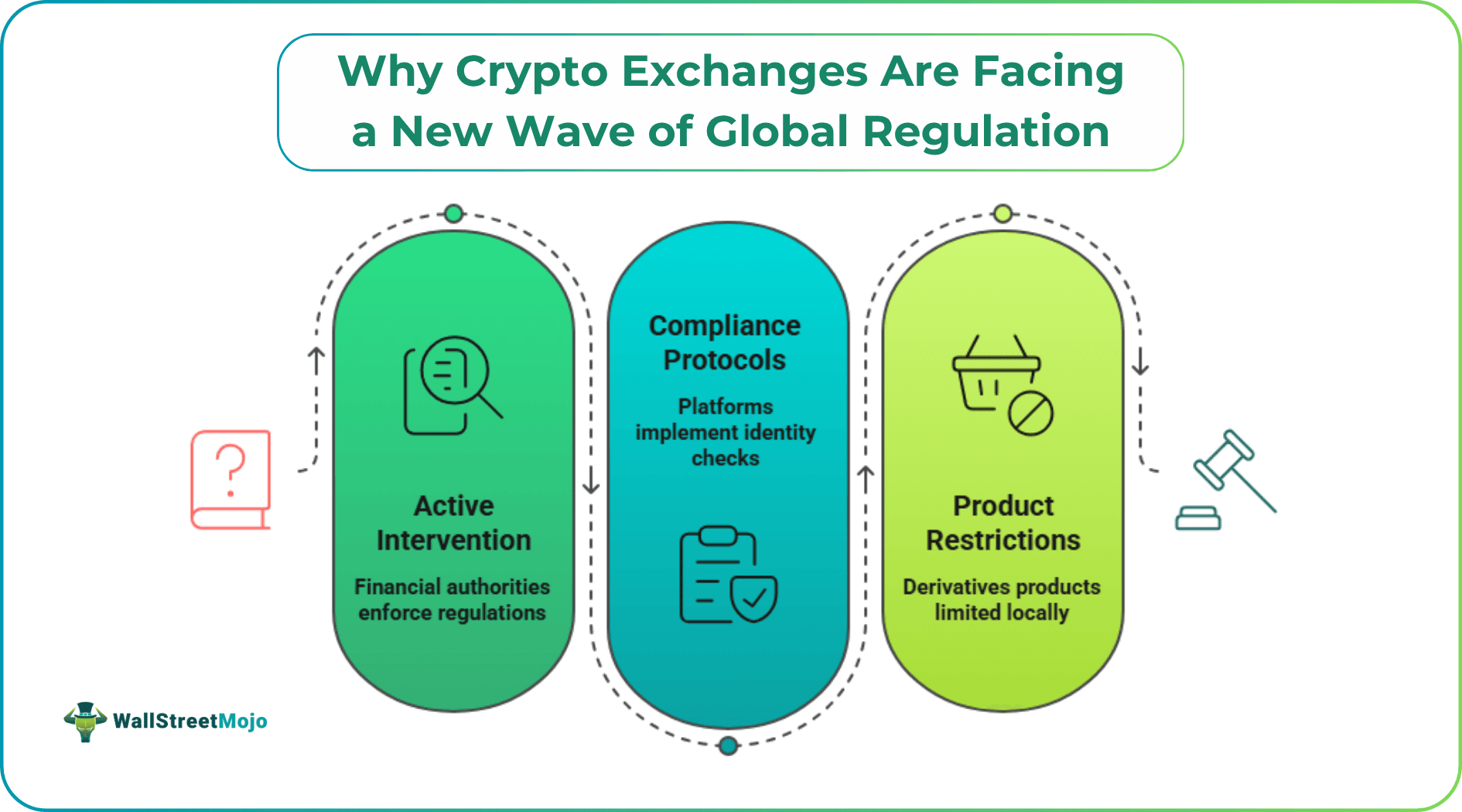
Primary Drivers of Exchange Oversight
Exchanges serve as the main link between the crypto economy and traditional banking. They provide the liquidity and custody services that allow the market to function. Because of this role, regulators now categorize these platforms as critical financial infrastructure.
Several factors explain the current intensity of this oversight.
Retail participation remains high even during market downturns. Governments argue that standardized rules are the only way to prevent fraud or price manipulation that targets individual investors. The goal is to provide a level of safety comparable to traditional brokerage accounts.
Past failures within the industry also play a major role. The collapse of high profile platforms in previous years revealed deep problems with how customer funds were managed, and many companies lacked transparency regarding their actual reserves. These events created the political momentum needed for lawmakers to demand stricter governance.
The classification of assets is another central issue. Agencies in the United States rely on SEC guidelines to decide if a digital token is actually an unregistered security. If an exchange lists such assets without proper authorization, it risks heavy fines or complete closure. This forces platforms to be much more selective about the projects they support.
The pressure is pushing the industry toward a broad consensus: exchanges that want to operate at scale have little choice but to meet the same transparency standards as any other financial institution.