How a Customer Retention Platform Improves Lifetime Value

Table of Contents

Introduction
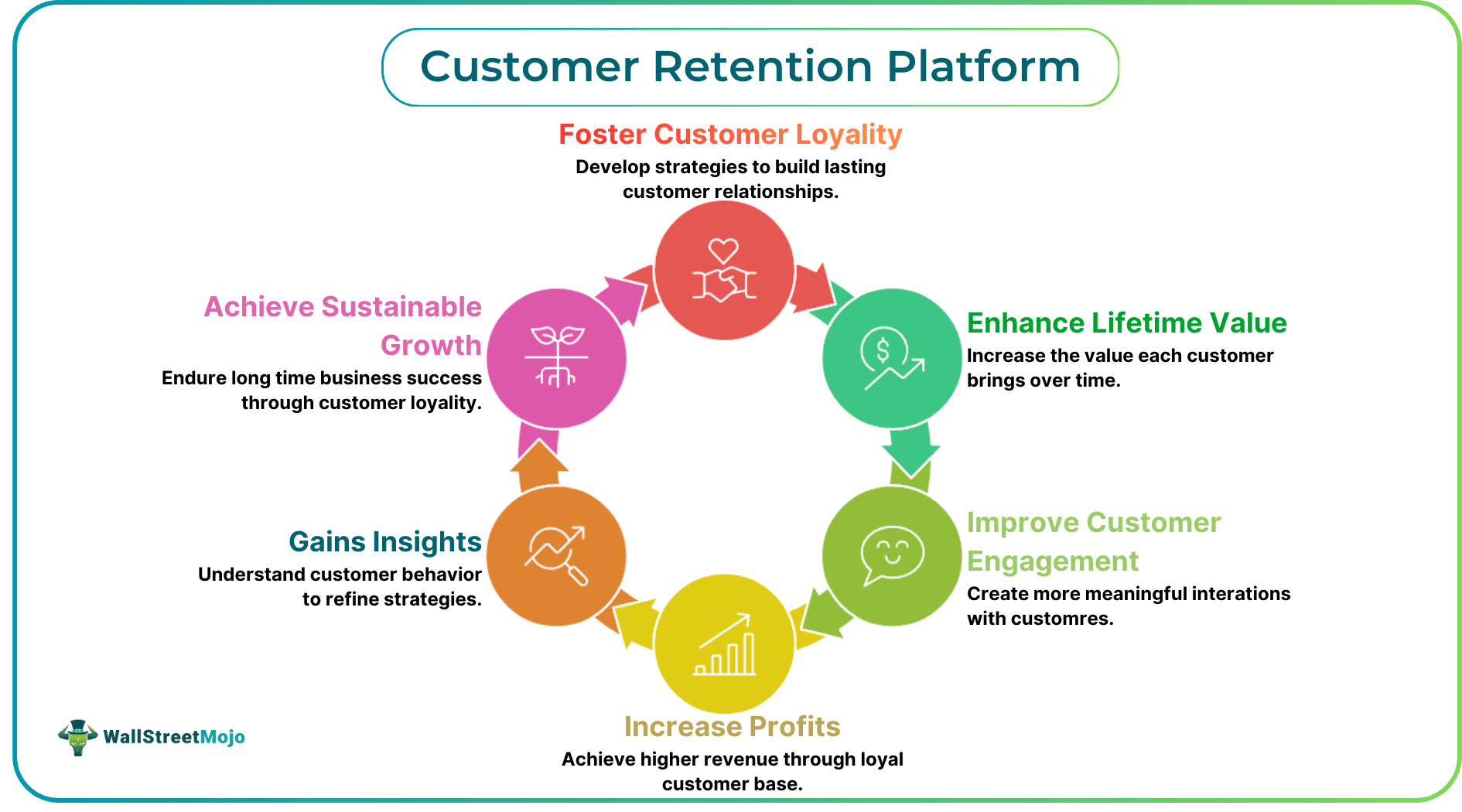
In modern business practices, the goal is to foster long-term customer loyalty, thereby reinforcing their position within the company's primary consumer base. A customer retention platform is notably important for enhancing the lifetime value of every client. Focusing on loyalty in all aspects of the business will result in more engaging relationships with consumers and ultimately greater profits. Gaining insight into how these tools affect the purchasing habits of buyers can help organizations obtain stable and sustainable growth further down the line.
The Importance of Retaining Clients
Gaining new customers takes time and many resources. The cost of keeping existing buyers is typically much lower. When organizations focus on loyalty, they have higher profitability and predictable income streams. Customer retention platform plays a critical role in making this reality. Repeat customers will more often buy from you and also refer services to others, and this, in turn, helps your business.
Building Trust Through Consistency
A good customer retention platform allows businesses to build trust by creating uniform experiences. This lets clients know that they can rely on you for quality content every time, making them come back over and over again. Frequent communication, being supportive, and offering help are the steps that keep positive perceptions alive. When people feel understood and valued, they are less inclined to seek competing options, which therefore increases loyalty.
Personalization Encourages Loyalty
Clients feel seen and valued with personalized experiences. Retention platforms use data to tailor recommendations and messages to each individual. Satisfaction increases with this approach because it addresses the individual needs. With time, this kind of attention creates a bond between the business and the client.
Engaging Communication Channels
Continuous communication with clients is not about keeping them updated every now and then. Retention platforms offer different communication modes, like messages, surveys, and limited availability deals. Regular contact allows organizations to stay top of mind of the customers. When the clients respond positively, there is a high chance that they will be buying from your business again.
Reward Programs Foster Repeat Purchases
Retention platforms often include loyalty programs that incentivize repeat customers. These initiatives motivate individuals to stick with the same company instead of switching to others. You give customers awards, discounts, or special treatment, so they want to stay with you. Offering incentives helps companies improve the lifetime value of every client they get.
Resolving Issues Efficiently
Unforeseen complications may arise despite good intentions. Reliable customer retention software ensures that enterprises are able to address issues promptly. This demonstrates to the organization that they care about their clients and their experiences. Resolve issues quickly, build trust, and clients will be more comfortable continuing their relationship.
Gathering Feedback for Improvement
Retention tools often have built-in customer feedback loops. This honesty helps companies identify areas for improvement. By addressing suggestions or customer concerns, clients are aware of the effort being made and feel as though their input is part of the constant improvement process. When consumers feel a sense of participation, they tend to be more loyal and satisfied, thus affecting lifetime value.
Data-Driven Decision Making
More granular data access allows companies to see what their audience can be motivated by. Retention platforms analyze the feedback, habits, and preferences of clients. Organizations can make informed decisions with data for product development, effective communication, and service improvement. Customized tactics that depend on actual after-the-fact realities correlate significantly with client retention.
Predicting Future Behaviors
Another benefit modern retention platforms deliver is predictive analytics. These tools predict the demands of the clients and also figure out potential customers who are going to churn. Long before even a single threat of loss arises, there can be interventions to rectify the situation ahead of time. Both of these factors mean that if companies can be proactive, they can preserve their customers and achieve greater lifetime value.
Increasing Revenue Through Upselling
Clients that are retained tend to be open to more products and services. Retention platforms can make recommendations based on a client's purchase history and preferences. Doing so means that your chances of either upselling or cross-selling become higher. This leads to a long-term increase in revenue per client.
Conclusion
A customer retention platform is an important opportunity for maximizing the lifetime value of each customer. These tools help establish loyal relationships based on trust and satisfaction, from creating personalized experiences to collecting feedback. With a focus on loyalty and improvement, organizations can maintain sustainable growth, enhanced profitability, and a reliable future. An effective implementation of a client retention strategy ensures that each client is valued, appreciated, and drawn to return again and again.