Diamond Quality Explained: Cut, Colour, Clarity & Carat (4Cs Guide)

Table of Contents

Introduction
Buying an engagement ring is an important emotional milestone, but it is also a significant financial decision.
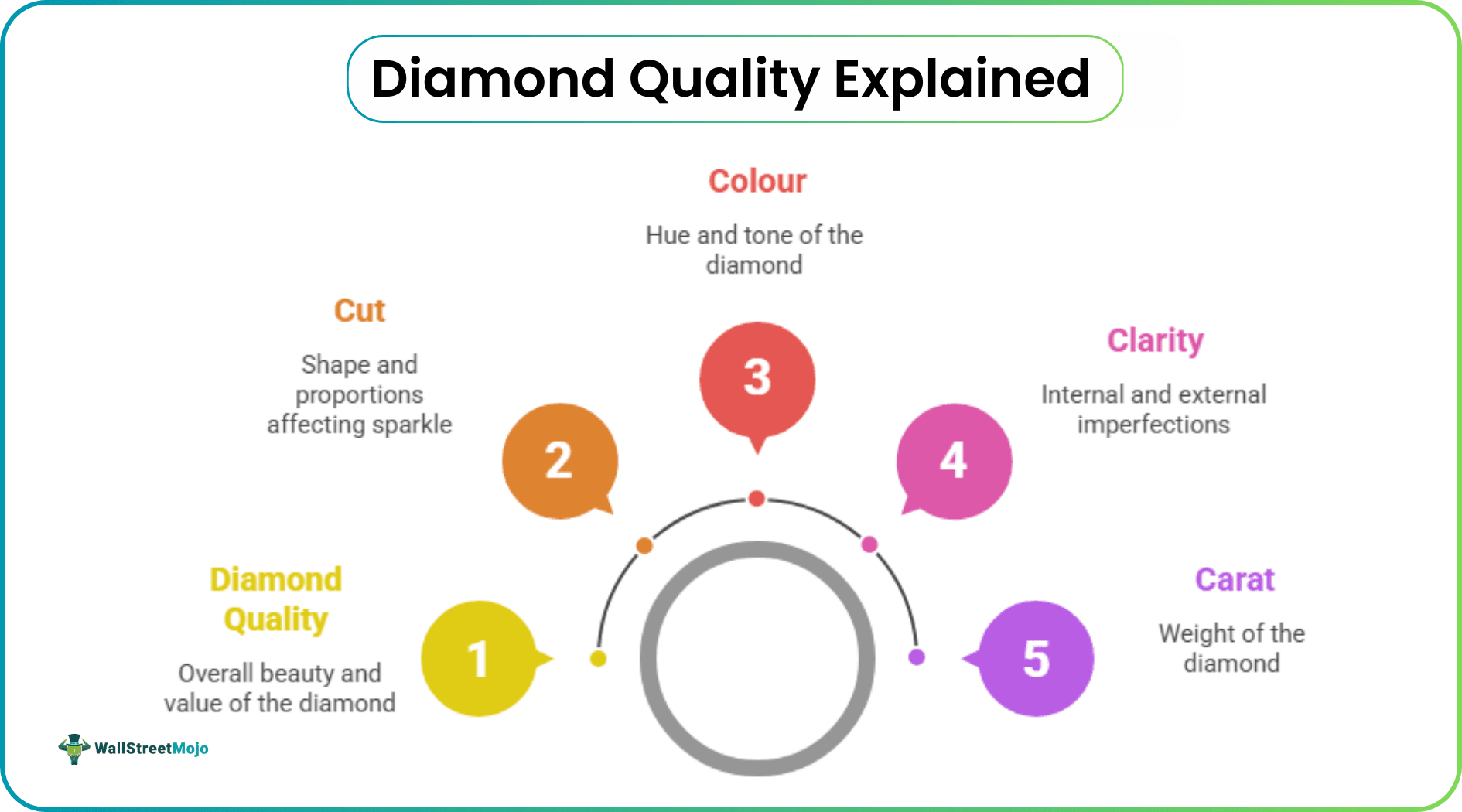
For many buyers in Perth, understanding diamond quality can feel confusing when terms like cut, colour, clarity, and carat are explained without context.
A common mistake is focusing on carat size alone. While size is easy to notice, it does not determine sparkle, beauty, or overall quality. Diamonds form under extreme pressure and temperature over long periods of time, which results in natural variations that affect how each stone looks and performs once set.
These natural differences are why standardised grading systems exist. By understanding the internationally recognised 4Cs: Cut, Colour, Clarity, and Carat, buyers can compare diamonds objectively and focus on what truly matters.
This blog explains diamond quality in plain language to help Perth buyers make confident, informed decisions without relying on marketing claims.
What Are the 4Cs of Diamond Quality?
The 4Cs of diamond quality refer to Cut, Colour, Clarity, and Carat, a grading framework developed by the Gemological Institute of America (GIA) and now adopted globally as the standard for diamond assessment.
Every diamond used in engagement rings, whether natural or lab-grown, is evaluated using the 4Cs. This system allows consistent comparison across stones, regardless of where they are sold or sourced.
Understanding the 4Cs helps buyers recognise why diamonds with similar size or appearance can vary significantly in quality and price.
Diamond Cut – The Most Important Factor for Sparkle
Diamond cut does not describe shape. Shape refers to round, oval, pear, or cushion styles. Cut describes how precisely a diamond’s facets are proportioned, aligned, and polished.
Cut quality directly affects:
- Light performance
- Brilliance and fire
- Overall visual appeal
A poorly cut diamond can appear dull even if it scores highly in colour or clarity.
#1 - How Cut Affects Brilliance and Fire
Light entering a well-cut diamond reflects internally and returns through the top, creating brightness and sparkle. If angles are incorrect, light escapes through the sides or base, reducing visual impact.
This is why cut quality is often considered the most important factor when choosing an engagement ring diamond.
#2 - Best Cut Grades for Engagement Rings
Excellent and Very Good cut grades are widely recommended because they deliver strong brilliance without the steep price increases associated with near-perfect proportions.
Why cut matters more than size:
- Improves sparkle and brightness
- Enhances perceived size
- Maximises beauty across all carat weights
Diamond Colour – How White Is White?
Diamond colour is graded from D (colourless) to Z (light yellow or brown tint). Higher grades are rarer, but the differences between adjacent grades are often subtle.
Most diamonds selected for engagement rings fall between D and J, where colour differences are typically minimal once set.
#1 - Best Colour Grades for Engagement Rings
For white gold or platinum, diamonds in the G–H range appear bright and white in normal viewing conditions. Higher grades offer limited visible benefit for most buyers.
For yellow or rose gold, slightly warmer diamonds can appear visually white due to contrast with the metal.
#2 - Can You See Colour with the Naked Eye?
In most cases, colour differences are only noticeable under controlled lighting or when diamonds are placed side by side. This makes practical colour selection more important than chasing the highest possible grade.
Diamond Clarity – What Imperfections Really Matter?
Clarity measures internal inclusions and surface blemishes formed naturally during diamond growth. These features are common and usually invisible without magnification.
Diamonds are composed of pure crystallised carbon and often contain microscopic inclusions of other minerals or internal characteristics that reflect their natural formation history, including variations in crystal structure and trace elements.
According to Geoscience Australia, diamonds typically exhibit these inherent characteristics as part of their physical makeup and geological origin, which is why flawless stones are exceptionally rare, and many inclusions do not impact a diamond’s everyday appearance.
- Clarity Grades You Should Focus On: For engagement rings, VS1 to SI1 clarity often provides the best balance between appearance and value. Diamonds in this range typically look clean to the naked eye.
- Eye-Clean Diamonds Explained: An eye-clean diamond has no visible inclusions without magnification. Many SI-grade diamonds meet this standard, allowing buyers to prioritise size or cut without sacrificing appearance.
Diamond Carat – Size, Weight, and Perception
Carat measures weight, not physical dimensions. A well-cut diamond can appear larger than a heavier diamond with poor proportions.
#1 - Bigger Isn’t Always Better
A larger diamond with weak cut quality may appear dull, while a slightly smaller diamond with strong cut can look brighter and more impressive in everyday wear.
#2 - Carat vs Cut – Which Matters More?
| Factor | Visual Impact |
|---|---|
| Cut | Controls sparkle and brilliance |
| Carat | Influences perceived size |
For most buyers, cut has the greatest effect on how a diamond looks once set.
How the 4Cs Work Together in an Engagement Ring
Diamond quality is about balance, not perfection.
| Priority | Why It Matters |
|---|---|
| Cut | Determines brightness and sparkle |
| Colour | Affects perceived whiteness |
| Clarity | Influences transparency |
| Carat | Affects size perception |
Many Perth jewellers, including Stelios Jewellers, advise buyers to adjust one factor slightly to strengthen another, ensuring visual beauty rather than technical overgrading.
How to Choose Diamond Quality Based on Your Budget
Rather than maximising all four categories, buyers typically achieve better results by:
- Prioritising cut quality
- Selecting realistic colour and clarity ranges
- Choosing carat weight based on appearance, not numbers
This approach results in engagement rings that look impressive while offering better overall value.
Common Diamond Myths That Mislead Engagement Ring Buyers
“Higher carat always means better.”
Carat weight alone does not determine beauty.
“Flawless diamonds are necessary.”
Most inclusions are invisible without magnification.
“You can’t trust lab reports.”
Reputable laboratories follow strict international standards, but accurate disclosure at the point of sale is equally important.
In Australia, the Australian Competition and Consumer Commission (ACCC) provides guidance on buyer rights when product quality, characteristics, or representations are unclear or disputed. Its guidance on shopping problems and product misrepresentation explains how consumers are protected if goods are not as described or if key details are missing.
This is particularly relevant for high-value purchases such as diamonds, where independent grading reports and clear explanations help buyers make informed decisions and reduce the risk of misunderstanding.
Frequently Asked Questions (FAQs)
What is the best diamond quality for an engagement ring?

Is diamond cut more important than carat?
What diamond clarity is best for everyday wear?
Do all engagement rings use the same grading standards?
Choosing Diamond Quality with Confidence
Understanding diamond quality allows buyers to focus on what truly matters rather than technical labels. By learning how cut, colour, clarity, and carat work together, Perth buyers can choose engagement rings that reflect beauty, practicality, and informed decision-making.