Features to Look for in Demand Planning Software

Table of Contents

Introduction
Effective demand planning helps companies manage supplies, avoid shortages, and minimize excess stock. Selecting the right demand planning software requires careful consideration of essential features. With numerous solutions available, understanding which capabilities matter most supports better decision-making and smoother operations.
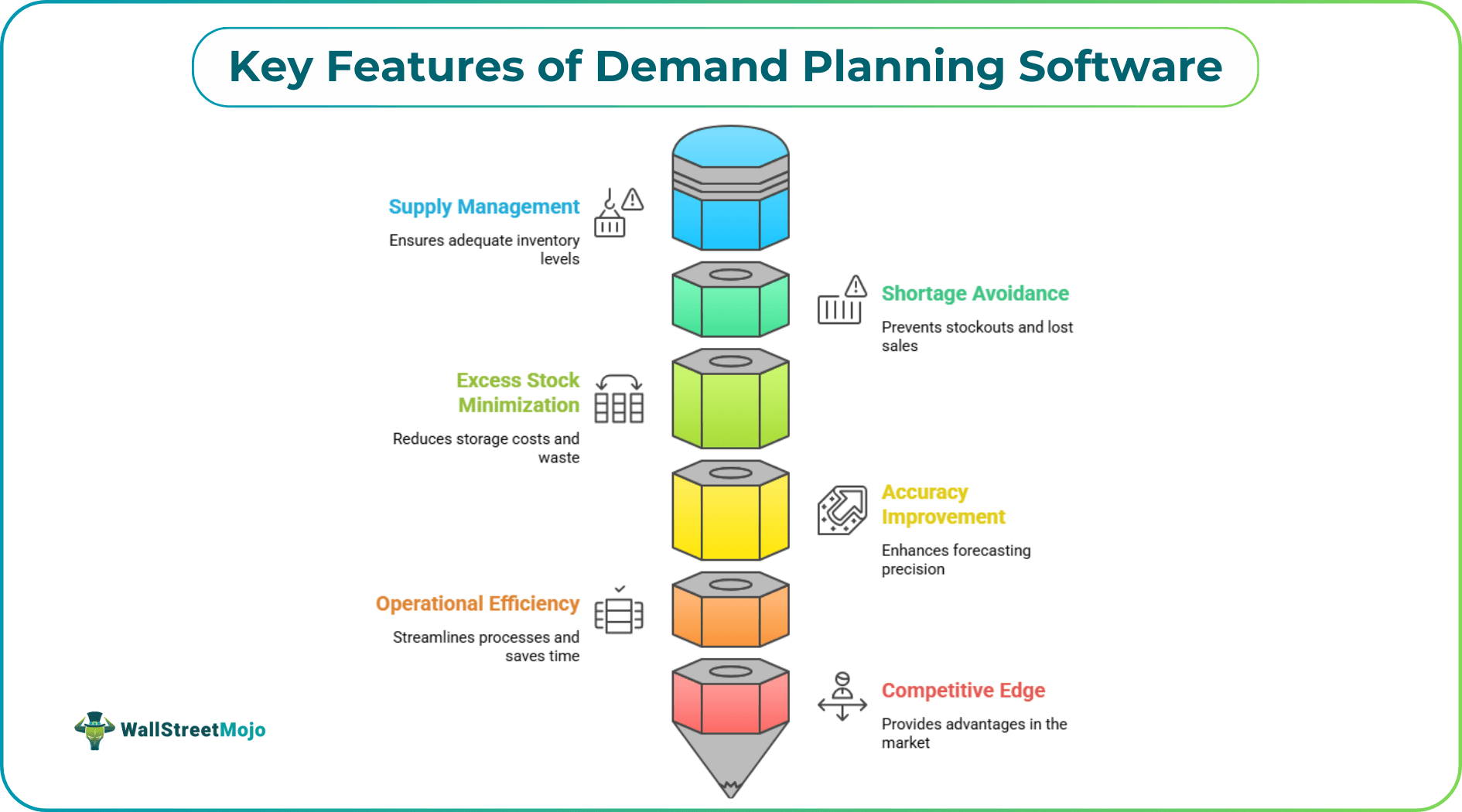
Businesses that invest in reliable demand planning software gain a competitive edge by streamlining their forecasting and inventory processes. The following features should guide your evaluation when choosing a solution that fits your needs. Each capability plays a distinct role in improving accuracy and operational efficiency. Knowing what to prioritize helps you make smarter, more informed purchasing decisions.
User-Friendly Interface
A clear, intuitive interface promotes adoption across departments. Employees with varied technical backgrounds benefit from straightforward menus and logical workflows. Easy navigation encourages frequent use, reducing training time and errors. The interface should simplify complex tasks and allow quick access to key functions. Visual dashboards and customizable layouts further improve accessibility for all users.
Accurate Forecasting Tools
At the heart of every demand planning solution lies reliable forecasting. It combines historical sales with current trends and market signals to ensure that software provides data-driven forecasts with a high level of accuracy. These algorithms utilize the latest news and information to refine predictions. By identifying patterns that may not be visible through manual reviews, machine learning helps make accurate predictions that prevent stockouts and overstock to help smooth growth.
Integration Capabilities
Seamless integration with all other business systems ensures that data remains updated. Demand planning software should be directly linked to inventory management, procurement, and sales platforms. Data exchange automation saves time and removes the risk of manual entry errors. Integrated systems enable coherent decision-making and enhance business productivity. Direct synchronization allows everybody to work with the latest data.
Collaboration Features
Collaboration tools help different teams to work together within the software. Shared calendars, messaging, and comment functions facilitate interdepartmental dialogue. Sales, finance, and operations personnel can get together and create forecasts from one place to compare notes. These capabilities assist in detecting issues at an early stage and unite everyone around shared objectives. Enhanced collaboration more often yields effective developments.
Scenario Planning and What-If Analysis
Business landscapes change based on new entries, changing customer preferences, or supply chain disruptions. Demand scenario planning tools allow users to simulate the impact of changes on demand in the future. According to the U.S. Small Business Administration, understanding market dynamics is essential for effective business planning. Modeling different scenarios allows teams to better prepare themselves for the unknown and respond more quickly to challenges. What-if analysis shows you how a decision will affect the company before you make that decision. This proactive strategy minimizes risk and frames good decisions.
Automatic Alerts and Notifications
Automatic alerts keep everyone up to date on critical changes or problems. Immediate alerts allow for rapid response when sales spike out of nowhere or stock levels fall below safety limits. You can customize alerts to always keep your eyes on the most pressing matters. When updates are timely, staff get a chance to intervene and maybe turn a potential problem into a positive outcome. Customizable alerts guarantee that all relevant stakeholders are always aware of critical events.
Advanced Reporting and Analytics
Advanced reporting capabilities are vital for continuous development. The analytics of demand planning software are in-depth and can analyze production performance, followed by forecasting ability and analysis of trends. Custom reports allow each team to see insights specific to them. Data visualization tools like graphs and charts enable complex data to be understood easily. These capabilities enable persistent improvement of the demand planning strategy.
Scalability and Customization
Not only does a company normally grow while the software grows along with it, but demand sites and the process behind them also evolve. More users, more products, or new locations are easily accommodated by scalable solutions. Customization enables organizations to tailor workflows, reports, and dashboards to meet their unique needs. Flexible systems allow for scaling, avoiding disruption during expansion over the long run.
Data Security and Compliance
Safeguarding confidential business information creates trust within your customer base, suppliers, and even employees. Robust security protects against unauthorized access and data theft. Permission management, encryption, and audit trails all provide peace of mind. Industry standards and regulatory compliance are also non-negotiable. Secure software allows organizations to comply with legal obligations while keeping their reputation intact as well.
Customer Support and Training Resources
Good customer service helps in problem-solving more quickly, and the software works smoothly. The ability to gain access to training materials, tutorials, and help desks that respond helps users maximize their tools. With continuous support, these kinds of potential issues are quickly mitigated as they arise, and downtime is kept to a minimum. When users are able to gain support by referring to clear, organized resources, then they will feel more confident and satisfied while using your product.
Conclusion
Aligning features with business requirements is important when selecting demand planning software. Focusing on accuracy, collaboration, integration, and security is the right base for ensuring effective planning. The right solution allows businesses to be agile in adapting to changes and still have a stable supply chain.