Automating Financial Reports: Faster Cycles & Audit Readiness

Table of Contents

Introduction
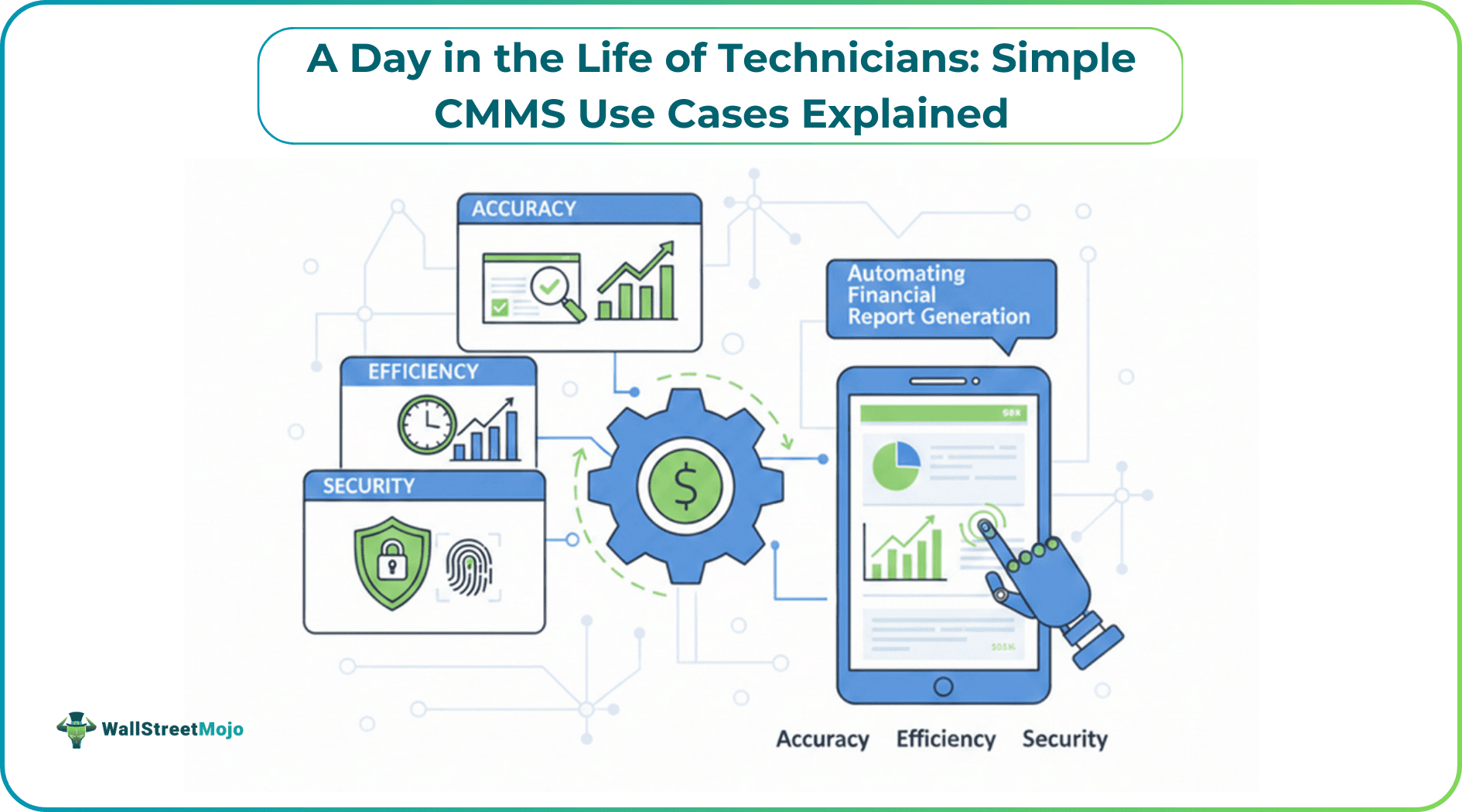
Financial reporting is a critical part of business operations, supporting decision-making and compliance. However, as organizations scale and financial data becomes more complex, traditional reporting methods struggle to keep pace. Manual processes often lead to delays, inconsistencies, and increased compliance exposure, especially when reports must meet strict internal standards. As a result, many finance teams are turning to automated financial report generation to improve efficiency, accuracy, and audit traceability while reducing operational costs.
Key Challenges in Manual Financial Reporting Cycles
Despite its importance, traditional financial reporting brings several challenges that affect both efficiency and reliability.
One of the most common issues is the large amount of time spent preparing documents. During critical month-end and quarter-end close cycles, finance teams often work under tight deadlines, where they frequently generate redundant reports, manually adjusting figures, layouts, and formatting. Even small updates may require extensive manual revisions to comply with standards.
Maintaining consistency across reports is another challenge. When multiple departments or stakeholders are involved, different versions of the same report may circulate at the same time. This often results in:
- Inconsistent layouts and formatting
- Outdated or mismatched financial data
- Confusion and friction during the internal review and approval pipeline
From an audit perspective, security also matters. Financial reports contain sensitive information, such as revenue figures and cost structures. Without proper controls, these documents may be accessed or modified by unauthorized parties, leading to data leakage and potential regulatory violations.
What Is Automated Financial Report Generation?
Automated financial report generation refers to the process of creating financial documents using predefined templates, rules, and structured data sources. Instead of accountants manually editing and formatting reports, systems generate documents automatically based on real-time or scheduled financial data.

Accounting software, ERP systems, and internal databases are the common sources for data. Data is subsequently synthesized into standardized outputs such as balance sheets, income statements, and cash flow reports. They are often saved as PDFs because PDF files preserve layout consistency and ensure a locked version for auditors and stakeholders.
By reducing manual intervention, automation allows analysts and finance managers to focus on strategic analysis and business partnering rather than manually producing similar documents day by day.
Shortening Reporting Cycles Through Automated PDF Generation
One of the most effective ways to streamline financial reporting is to automate PDF document generation. Automated PDF creation ensures that reports follow the same formatting rules and corporate branding standards, minimizing the risk of human error during high-pressure close periods.
Many teams use PDF automation libraries or reporting SDKs to create PDF documents programmatically from internal systems. For example, some developers rely on tools such as Spire.PDF to ensure that complex financial tables and charts render accurately, with stable layouts and predictable results in production environments.
Automated PDF generation not only shortens turnaround time but also ensures that every report adheres to the same structure and presentation standards demanded by management.
Standardizing Financial Reports With Centralized Templates
Centralized templates play a crucial role in automated financial reporting. Templates define the layout, headings, and formatting rules that apply across all financial documents, helping finance teams maintain consistency across different reporting periods.
Once a template is built, it can be reused for recurring reports such as monthly summaries, quarterly statements, or annual disclosures. Any updates only need to be applied once in the template, reducing the need for repetitive rework across multiple departments.
This method is especially valuable for organizations with multiple departments, where standardized reporting is essential for clarity and audit readiness.
Ensuring Auditability and Security in Automated Workflows
Efficiency must be balanced with strong security measures, particularly when handling sensitive financial information. In a modern compliance-driven environment, automated reporting systems often include built-in safeguards to protect documents throughout their lifecycle.
PDF encryption is a widely used method for securing financial reports. It allows teams to apply password protection on viewing, editing, printing, and copying classified documents. This creates a secure environment where sensitive data is only accessible to authorized decision-makers.
In automated workflows, encryption can be integrated as part of the report generation process. Financial PDFs can be encrypted or decrypted automatically based on predefined rules before distribution. Ensuring document integrity through encryption is a standard practice for reducing compliance risk and maintaining information security.
Integrating Automated Reporting Into Accounting Workflows
Automated financial report generation becomes even more effective when integrated with existing business systems. Accounting platforms, ERP solutions, and internal approval workflows can all be connected to the reporting process.
Once financial data is confirmed, reports can be generated automatically, routed for executive approval, and securely distributed. This reduces manual handoffs and improves transparency throughout the entire reporting pipeline.
Integrated workflows also support quick audit readiness by ensuring that reports are generated consistently and stored securely with clear permission controls.
Business Benefits for Finance Teams
Organizations that adopt automated financial reporting often experience several benefits:
- Shorter reporting cycles and faster month-end closes
- Higher accuracy through reduced manual errors
- Consistent formatting and standardized documentation for easier stakeholder review
- Enhanced audit trails and regulatory compliance
- Improved scalability as data volumes grow
Together, these advantages help finance professionals operate more efficiently while delivering reliable and secure financial information for better decision-making.
Use Cases Across Industries
Automated financial report generation is widely used across industries. Corporate finance teams rely on it for internal reporting and summaries. Accounting firms use automation to manage massive client reports efficiently. Financial service providers benefit from secure document handling, while large enterprises use automation to support complex consolidation and compliance requirements.
Regardless of industry, automated financial report generation aims to deliver accurate, timely, and audit-ready financial reports.
Conclusion
As financial reporting requirements continue to evolve, automation has become an essential capability for modern finance departments. By automating PDF generation, standardizing templates, and applying consistent security controls, finance teams can significantly reduce the stress of reporting deadlines while improving document quality. In the long term, automated financial report generation provides a solid foundation for efficiency and informed, data-driven decision-making.