The Complete Guide to Fortnite Game Modes in 2026

Table Of Contents

Introduction
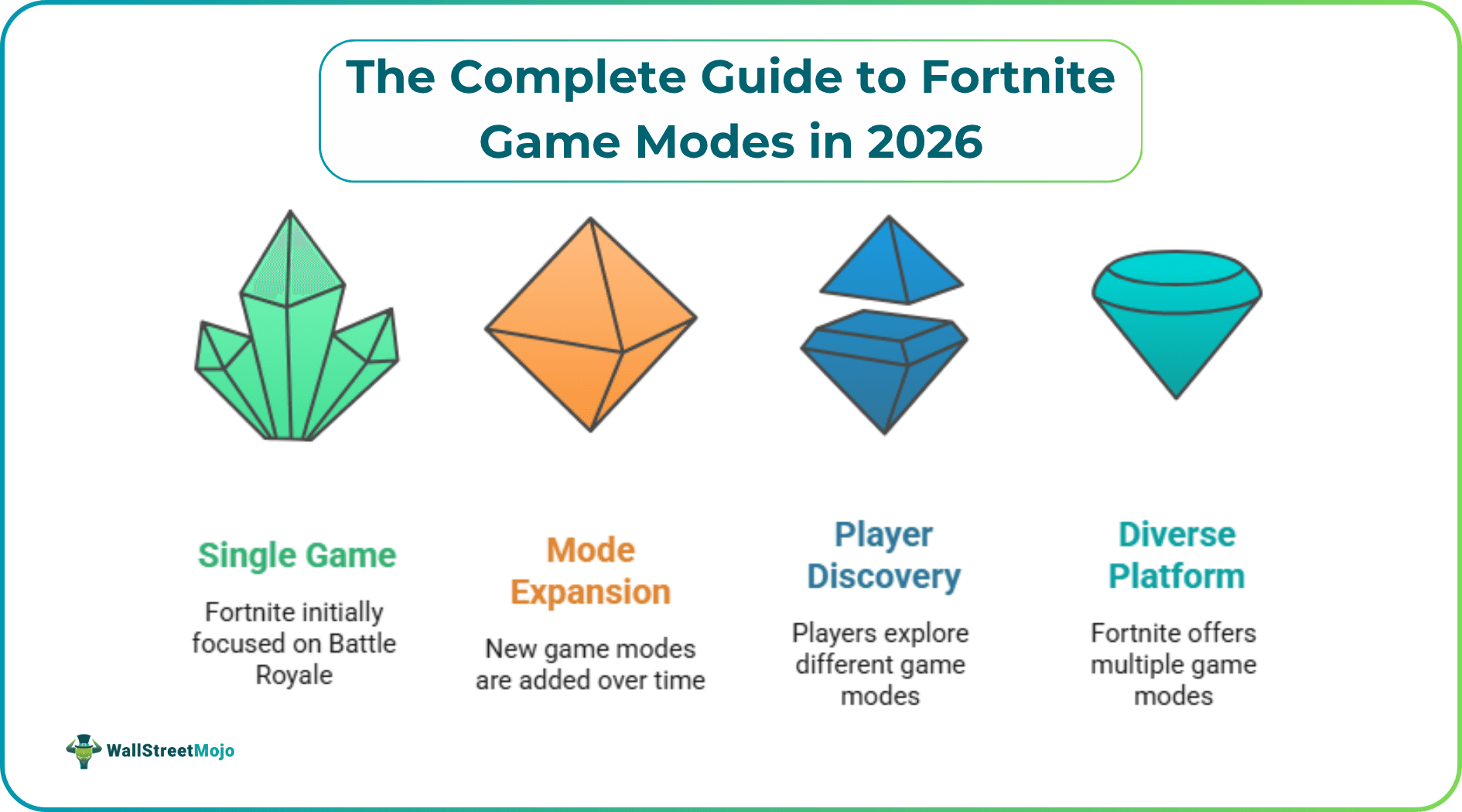
Fortnite isn't just one game anymore. It's evolved into this massive platform with 10+ permanent game modes, each offering completely different experiences.
And here's the thing—most players stick to Battle Royale without realizing they're missing out on tactical shooters, creative sandboxes, and even rhythm games all within the same launcher.
This guide breaks down every core mode available in 2026, so you can find the ones that actually match your playstyle.
Battle Royale Modes: The Foundation
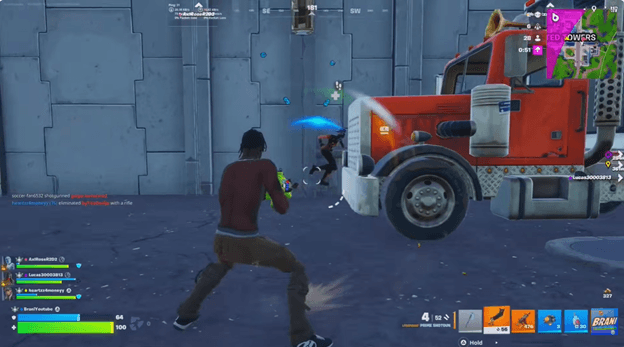
These modes are what put Fortnite on the map. They consistently pull over 800K peak players daily and form the backbone of the competitive scene.
#1 - Classic Battle Royale
The original recipe. Drop in with 99 other players, gather weapons, build structures, and be the last one standing.
What makes it work is the building mechanic—it transforms every fight into a tactical chess match where positioning and resource management matter as much as aim. The shrinking storm circle forces confrontation, and Victory Royales feel genuinely earned.
Available in Solo, Duo, Trio, and Squad formats. Ranked mode offers competitive progression for those chasing higher-skill lobbies.
#2 - Zero Build
Same 100-player survival format, but building is completely disabled. This mode exploded in popularity because it removes the skill barrier that made traditional Battle Royale intimidating for new players.
Without building, gunplay becomes paramount. You'll rely on natural cover, tactical positioning, and smart rotations instead of editing 90s. Some longtime players initially dismissed it, but Zero Build now regularly matches standard BR in concurrent players.
For anyone who loved early Fortnite before the building meta became overwhelming, this is the sweet spot.
#3 - Reload
Think of this as Battle Royale's faster, more forgiving cousin. Only 40 players in squads, and here's the kicker—respawn beacons let teammates bring you back into the match.
Perfect for warming up before ranked sessions or when you don't have 20 minutes for a full match. The reduced player count means more frequent combat, and the respawn mechanic keeps your squad in the action.
#4 - OG Mode
Pure nostalgia. This mode recreates Chapter 1 Fortnite with the original map, weapon pool, and mechanics that hooked millions back in 2017-2018.
Epic rotates this mode periodically, and when it drops, engagement spikes across college campuses and friend groups who played together years ago. No modern weapons, no complex mechanics—just the game that started it all.
Tactical Gameplay: Ballistic Mode
Here's where Fortnite gets serious about competitive gunplay.
Ballistic is a 5v5 tactical shooter that borrows heavily from Valorant and Counter-Strike. Think economy rounds, strategic loadout purchases, team coordination, and no building whatsoever.
Each round matters. You'll buy weapons and equipment at the start, execute site takes or holds, and communicate constantly with your team. It's the complete opposite of Battle Royale's chaotic 100-player scramble.
Competitive players use this for aim training and strategic development. If you've ever wanted Fortnite to feel more like an esports-ready tactical shooter, Ballistic delivers that exact experience.
Co-op PvE: Save the World
The original Fortnite game mode before Battle Royale took over. Save the World is a paid PvE experience where 1-4 players team up to build defenses and fight AI enemies called husks.
You'll craft weapons, build elaborate trap tunnels, and defend objectives across various mission types. Despite reduced support from Epic, it maintains around 20K daily players who appreciate the tower-defense gameplay loop.
One underrated benefit: Save the World awards Battle Pass XP through shelter missions and trap eliminations. Some players use it as a change-of-pace XP farm while still progressing their seasonal rewards.
It's collaborative, strategic, and particularly popular with younger audiences during school STEM workshops.
Creative and Sandbox Experiences
#1 - Creative Mode
Fortnite's answer to Minecraft Creative and Roblox Studio. You get complete building tools to design custom maps, mini-games, puzzle challenges, or entire game modes.
The community has created everything from parkour courses to functional recreations of other games. Islands are shareable via codes, and some creators earn money through Epic's Support-a-Creator program.
Schools and workshops use Creative for game design education. The toolset is surprisingly robust—you can script behaviors, set rules, and craft experiences that feel nothing like Battle Royale.
#2 - LEGO Fortnite
Family-friendly sandbox survival with LEGO-style block building. Gather resources, craft items, explore procedurally generated worlds, and survive against environmental hazards.
The aesthetic is deliberately welcoming for younger players, and it gives parents a shared gaming experience with kids that isn't combat-focused. Think of it as Fortnite's take on accessible survival-crafting.
Mini-Games: Festival and Racing
#1 - Fortnite Festival
A full rhythm game inside Fortnite. Play guitar, drums, bass, or vocals either solo or in a band of up to four players.
The Festival Pass (which costs roughly 2x a standard Battle Pass) unlocks additional songs and rewards. If you've played Rock Band or Guitar Hero, the gameplay loop will feel instantly familiar.
Great for music fans who want to turn Fortnite sessions into jam sessions.
#2 - Rocket Racing
High-speed competitive racing for up to 12 players. You'll customize Whiplash cars (unlocked through missions and rank progression) and compete across various tracks.
What's clever: car customizations earned here also apply in Battle Royale and Zero Build when you drive vehicles. It's a nice cross-mode progression hook.
Finding Your Mode
With this many options, decision paralysis is real. Here's the breakdown:
Want pure competition? Battle Royale and Ballistic offer the highest skill ceilings.
Prefer gunplay without building? Zero Build removes the construction complexity entirely.
Looking for team coordination? Ballistic's 5v5 format or Save the World's co-op missions reward communication.
Need creative outlets? Creative and LEGO Fortnite provide sandbox freedom.
And if none of that works, some players turn to Fortnite cheats with aimbot and ESP at Battlelog to experiment with different playstyles—though that comes with obvious risks to account standing.
Sub-Variations and Ranked Options
Most Battle Royale variants offer Solo, Duo, Trio, and Squad playlists. There's also a "No Fill" toggle if you want to play squads solo without random teammates.
Ranked modes exist for both standard Battle Royale and Zero Build, with progression tiers from Bronze through Unreal. Ranked rewards reset seasonally and include exclusive cosmetics and competitive points.
What This Means for 2026
Fortnite in 2026 isn't a single game—it's a platform containing multiple distinct experiences. Epic continues adding cross-mode features (like Rocket Racing car cosmetics appearing in BR) while maintaining each mode's unique identity.
The player counts reflect this diversity. Battle Royale variants regularly exceed 1M concurrent players during peak hours, while niche modes like Save the World sustain dedicated communities in the 20K range.
Whether you're chasing Victory Royales, building custom worlds, or jamming out in Festival, there's legitimately something for everyone now.
Just pick a mode and start playing. You'll quickly discover which ones click with your preferences—and which ones you'll never touch again.