The Future of Print-on-Demand: 10 Custom Printing Trends to Watch

Table of Contents

Introduction
Starting a print-on-demand business today feels a bit like standing at the edge of a fast-moving river. You can see opportunity on the other side, but the current keeps changing.
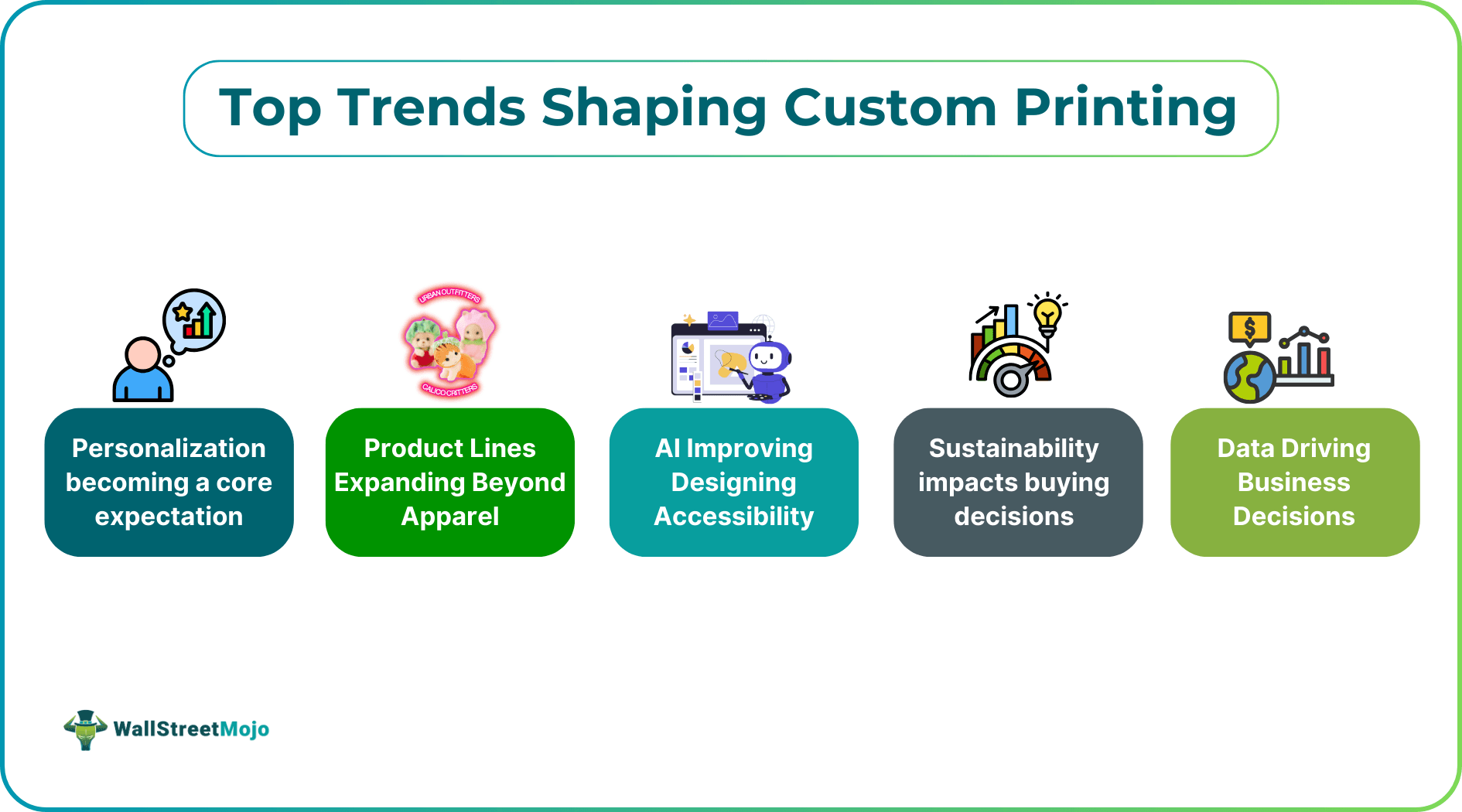
That is exactly why the future of print on demand matters so much right now. You may be wondering where the print-on-demand model is heading, which trends deserve your attention, and how to prepare without relying on guesswork.
I believe print on demand is no longer just a side option. It is becoming a smarter way to build flexible, low-risk businesses. In this guide, you will explore where custom printing is going and How to start an on-demand printing business?
Future of Print-on-Demand: 10 Trends Shaping Custom Printing
#1 - Personalization Becomes a Core Expectation
Personalization is no longer something that helps you stand out. It is something customers expect, especially in print-on-demand products.
Buyers want items that reflect their choices, not generic designs. You can offer options like text changes, color selection, or small layout adjustments.
These choices make customers feel involved in the product creation process. When people feel a product was made for them, they trust your brand more and are more likely to return for future purchases.
#2 - Faster Production Shapes Customer Experience
Speed plays a bigger role in how customers judge your store. Print-on-demand providers are improving production systems to shorten turnaround times.
For you, this means orders move faster from checkout to delivery. Faster production reduces frustration, lowers the chance of refunds, and improves reviews. Even small improvements in delivery time can make your store feel more reliable and professional to customers.
#3 - Product Lines Expand Beyond Apparel
Print-on-demand is no longer focused only on clothing. You can now offer items like wall art, packaging, stationery, and accessories. This allows you to reach more customer needs and increase order value.
Because products are printed only after purchase, you can experiment with new categories safely. You grow your product range based on real demand instead of guesswork.

Custom Canvas Fabric Wall Art - Print on Demand Fulfillment
#4 - AI Makes Design More Accessible
AI tools are changing how designs are created and managed. You can use them to generate ideas, adjust layouts, or create multiple variations without starting from scratch. This reduces the need for advanced design skills and saves time.
With AI support, you can test more products, respond to trends faster, and keep your catalog fresh without increasing workload or costs.
#5 - Sustainability Influences Buying Decisions
Customers are paying more attention to how products are made. Print-on-demand supports lower waste by producing items only when orders are placed. When you offer eco-friendly materials or responsible processes, your brand feels more thoughtful.
This approach builds trust and attracts buyers who care about long-term impact. Sustainability is no longer a trend. It is part of how customers evaluate brands.
#6 - Branding Extends to Packaging and Inserts
Branding goes beyond the product itself. On-demand packaging, labels, and inserts help reinforce your identity without bulk costs. You can add small touches that make your store feel more polished. A consistent unboxing experience helps customers remember your brand.
Over time, these details improve recognition and make your business feel more established and trustworthy. For sellers managing branded inserts, labels, and internal documentation, many choose to lease a copier to handle consistent print volumes without committing to high upfront equipment costs.

#7 - Stronger Integration Simplifies Operations
Running a store becomes harder as orders increase. Print-on-demand tools are now better integrated with eCommerce platforms. Orders, tracking, and updates can be handled automatically. This reduces errors and manual work.
For you, smoother integration means less time spent on operations and more time focused on product ideas, marketing, and improving the customer experience.
#8 - Print Quality Becomes a Key Differentiator
As more sellers enter the market, quality becomes harder to ignore. Improvements in printing technology lead to better consistency and durability. Higher quality means fewer complaints and fewer returns.
When customers receive products that match expectations, they feel confident ordering again. Reliable quality protects your reputation and supports long-term growth.
#9 - Local Production Improves Delivery Reliability
Many print-on-demand providers are expanding local production networks. This shortens shipping distances and reduces delivery time.
For you, this lowers shipping costs and improves reliability, especially for international orders. Faster and more predictable delivery helps your store feel dependable. Customers notice when orders arrive on time, especially during busy seasons.
#10 - Data Drives Smarter Business Decisions
Data plays a larger role in shaping successful stores. You can track sales, design performance, and customer behavior. This information helps you understand what works and what does not.
Instead of guessing, you make decisions based on real results. Data-driven choices reduce risk and help you grow your print-on-demand business with confidence and clarity.
How To Start An on-Demand Printing Business?
#1 - Define Your Niche and Business Direction
Before you launch, you need a clear idea of who you are selling to and what problem your products solve. A strong niche helps you avoid competing only on price.
You can focus on a lifestyle, interest, or specific use case. When your direction is clear, it becomes easier to create designs, write product descriptions, and market your store in a way that feels consistent and intentional.
#2 - Select the Right Selling Platform and POD Partner
You should choose an eCommerce platform that fits your technical comfort level and long-term plans. Some platforms give you more freedom, while others handle most of the setup for you.
At the same time, your print-on-demand partner matters just as much. Reliable print quality, stable fulfillment, and clear communication help you avoid delays and customer complaints, which protects your store’s reputation.
#3 - Create Practical Designs That Match Real Demand
You do not need to start with complex or artistic designs. Simple, readable, and purpose-driven designs often perform better.
Think about where and how your products will be used. Test a small group of designs first and pay attention to which ones sell. This helps you improve based on real customer behavior instead of assumptions, saving time and effort.
#4 - Price Your Products for Sustainability
Pricing is not just about covering costs. You need to leave room for profit while staying reasonable for your audience. Make sure you include printing, shipping, platform fees, and possible returns.
Clear pricing builds trust and reduces hesitation during checkout. When your prices are well planned, your business feels more stable and easier to manage over time.
#5 - Build a Smooth Customer Experience From Day One
Your customers care about clarity and reliability. Use clear product descriptions, accurate size guides, and realistic delivery timelines. Make it easy for buyers to understand what they are getting and when it will arrive.
A smooth experience leads to better reviews, fewer support issues, and stronger long-term relationships, which helps your on-demand printing business grow naturally.
Conclusion
Print-on-demand keeps moving forward, and you move with it. The future of print on demand is not about chasing speed or copying others. It is about making smart choices and staying flexible as the market shifts. You have access to better tools, clearer data, and more efficient systems than ever before.
Keep your focus simple. Improve what already works. Pay attention to customer needs. Let trends guide your direction, not control your decisions. When you take a steady and practical approach, you lower risk and build with confidence. This mindset helps you stay ready for what comes next.