HR Software for SMBs: A Financial Decision Guide

Table of Contents

Introduction
Modern companies are now embracing innovative technology to transform their approach to managing human resources. HR software, for instance, has become one of the most widely adopted tools for simplifying processes and improving productivity.
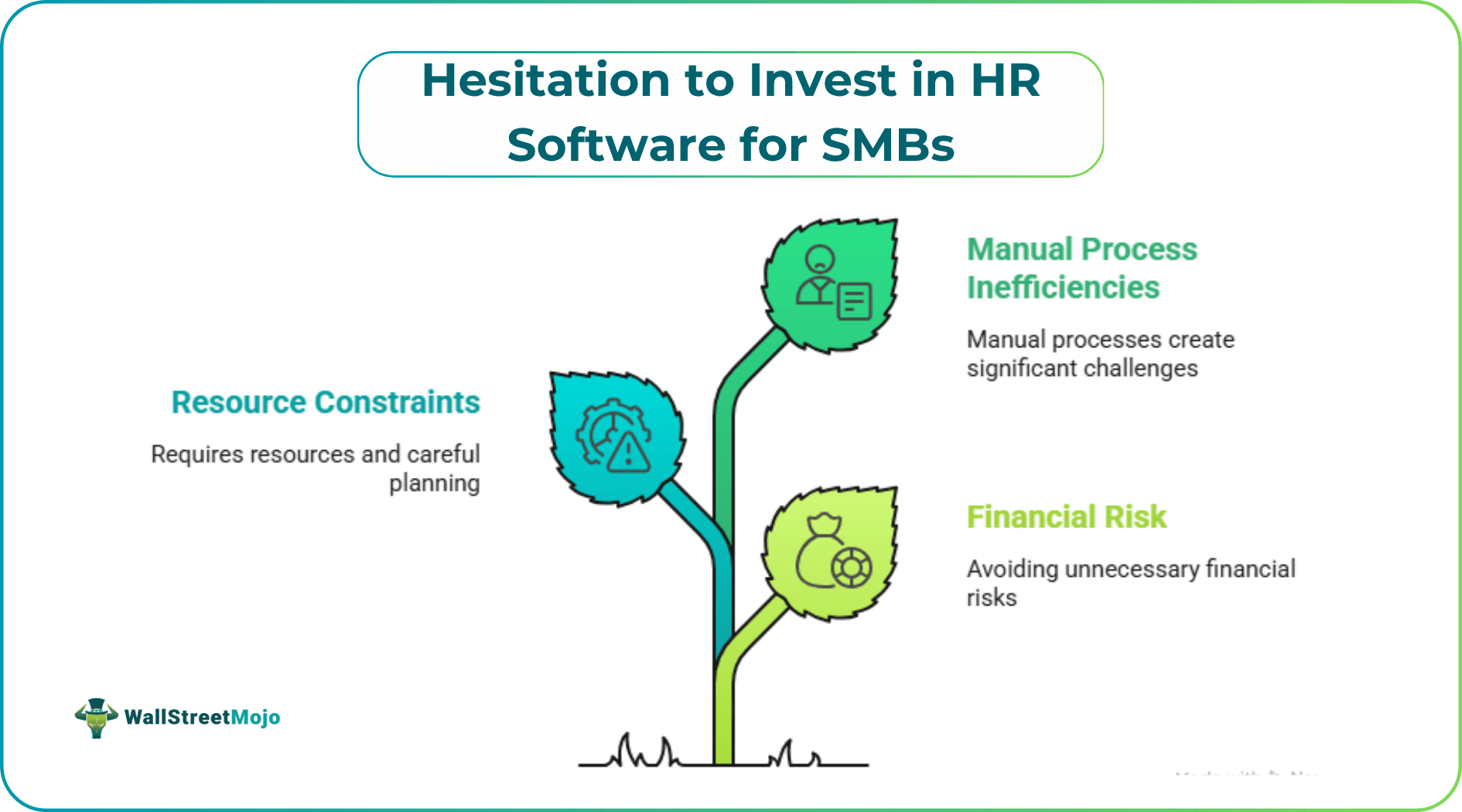
But for small and medium-sized businesses (SMBs), adopting new systems is often met with skepticism. They may be cautious to avoid unnecessary financial risks, which is understandable because such a decision requires resources and careful planning to ensure it yields a positive outcome.
Now, the question for many SMBs like yours is: when is the right time to invest in HR software? The answer typically comes down to identifying the challenges that manual processes create. Here they are:
Your Headcount Growth Is Outpacing Your HR Capacity
Growth is exciting. It signals demand, momentum, and opportunity. Yet expansion also reveals cracks in internal systems. Workflows that once felt efficient begin to buckle under added volume. This is where the pressure intensifies.
At this point, the problem isn't effort, but having enough bandwidth. Your small human resource department may still be working diligently. However, the framework supporting them hasn't scaled at the same pace as the workforce. You may notice errors becoming more frequent and follow-ups multiplying.
When operational friction becomes routine, it's a clear indicator that current systems can no longer sustain growth. This is where HR software for SMBs enters the conversation. It's a solution designed to centralize employee data within a single platform. You can store and manage all team members' records digitally, eliminating the need for spreadsheets or scanned documents. These features minimize repetitive tasks so the HR team can concentrate on what truly matters.
Employee Turnover Is Draining Your Resources
High turnover quietly drains both time and money in small and medium-sized companies. Each departing employee triggers a chain of costs. You need to advertise the open position, screen candidates, conduct interviews, and negotiate offers. And once a new hire joins, training and ramp-up periods temporarily reduce productivity. While these expenses are often hidden in day-to-day operations, they eventually accumulate. And the result slowly affects margins and stretches limited resources.
Turnover also disrupts workflow stability and team morale. Frequent departures can force remaining staff to pick up extra responsibilities. At the same time, the business must dedicate efforts to hiring replacements. Common challenges include:
- Increased workload for existing employees
- Missed deadlines or project delays
- Lower employee engagement and motivation
- Knowledge or critical skill gaps that slow team performance
- Conflicts in scheduling or managing time-off requests
HR management software can help address these challenges by standardizing employee onboarding. New hires can complete paperwork efficiently, access training materials, and track task completion through a unified platform. This helps new staff become productive and enables everyone to maintain continuity, even during periods of frequent departure.
Payroll Errors and Inefficiencies Are Becoming a Pattern
Are you still using spreadsheets or manual calculations to process payroll? This is common for many SMBs, which may see it as a way to save money by avoiding payroll software or extra staff. However, this approach can backfire, often creating errors that end up costing far more than expected. These include:
- Incorrect paychecks that require adjustments
- Delays in processing benefits or reimbursements
- Time spent tracking approvals and resolving disputes
- Increased risk of audits
To address these challenges, adopting an HR system can automate payroll and flag discrepancies before they become problems. Its built-in tools maintain accurate records, streamline approvals, and reduce the time spent correcting mistakes.
Leadership Time Is Being Pulled Away From Core Business
In many SMBs, entrepreneurs and managers spend a large portion of their day handling administrative work, staff or client concerns, and operational details. These responsibilities are indeed important. The problem is that they often pull leadership away from high-value work without them even realizing it. As a result, growth or business marketing strategies often get deprioritized or set aside. Over time, this diversion of attention can stall momentum and stretch teams thin.
Fortunately, HR software can take over routine processes that consume valuable time, such as approvals, payroll management, employee scheduling, and reporting. In turn, this allows you to reclaim your time and focus on the more profitable aspects of your business.
Compliance Risks Start Threatening Your Bottom Line
Every business, small or large, must navigate a complex web of labor laws, tax forms, and reporting requirements. For example, wage and hour rules dictate how overtime should be calculated, while tax authorities require accurate withholdings and timely filings. Staff classification standards determine whether someone is considered full-time, part-time, or an independent contractor.
For an SMB operating on tighter margins, even a single compliance misstep can threaten or jeopardize your finances. This may result in penalties, back payments, or formal investigations. And you certainly don't want to deal with the expense that comes with legal issues. That's why investing in an HR tech solution can offer significant support.
As mentioned, the platform can consolidate all employee records, monitor important deadlines, and generate accurate reports automatically. This helps ensure that filings, classifications, and payroll compliance are always up to date.
Preparing Your Business for Expansion
Your business has reached a stage where it's ready to reach new heights, poised to expand and scale. Growth is on the horizon, and new markets, products, or locations may be part of your plan. To sustain this momentum, you need stronger systems capable of supporting a larger organization. This is especially important in your human resources department, where workforce alignment becomes critical.
HR software helps you plan for the right number of staff, identify skill gaps, and align roles with business goals. It provides clear insights into team capacity and performance, enabling managers to make informed, data-driven decisions. When used effectively, this tool can refine workforce planning and support smoother business expansion.
Closing Thoughts
Deciding when to invest in HR software is rarely straightforward. For many SMBs, the timing comes down to recognizing when the cost of staying the course outweighs the cost of making a change. Whether you're navigating rapid headcount growth, compliance pressures, or leadership bandwidth issues, the right platform can help your team work more effectively and position your business for long-term success.
When you're ready to explore your options, look for a system that fits your organization's current needs and can scale alongside it. The right fit makes all the difference.