Sustainable Wood Materials: Eco-Friendly Choices for Interior Designers

Table of Contents

Introduction
Sustainability is more than just an interior design trend. It has become every individual’s responsibility. Today, designers are working to create a more sustainable space without losing its aesthetics and functionality. This environmentally friendly approach is widely appreciated and encouraged all over the world.
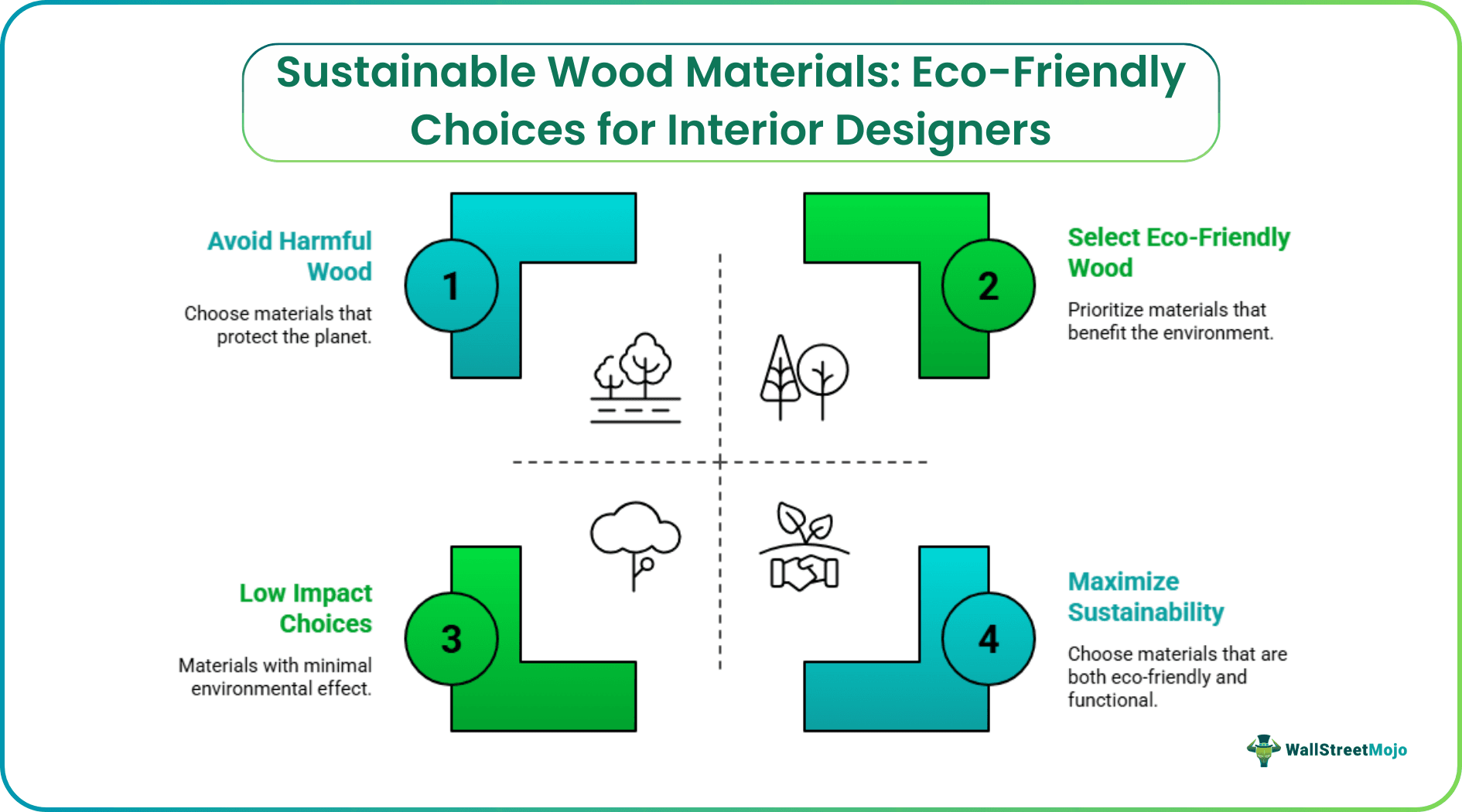
Wood has always been the most loved material for decorative purposes. It offers a warm, natural, calmer, and timeless feel to your space. Selecting sustainable wood materials can assist in protecting forests and reducing harm to the planet.
Interior designers play a crucial role in re-shaping the future. The materials they choose influence not only the aesthetic of a space but also its environmental impact. Knowing sustainable wood options helps designers make informed decisions for both their clients and the planet.
Why Sustainable Wood Matters
Trees are crucial for life. They absorb carbon dioxide and other toxic gases, produce oxygen, and help regulate the climate. Forests are also home to many animals and support many communities around the world. Cutting down forests without proper conservation impacts climate change. Moreover, without proper management, it leads to deforestation, climate change, soil erosion, and biodiversity loss.
Sustainable wood comes from forests that are well-managed. In responsible forestry, trees are timely replanted, wildlife is protected, and cutting is controlled. It encourages forest restoration and remains healthy for future generations. Sustainable forestry also assists workers and respects the rights of individuals and local communities.
According to Oussama Bahouj, interior designing expert from Palmeraies, “In interior design, every material tells a story. When we choose sustainable wood, we are not only designing beautiful spaces — we are designing with responsibility toward the environment and future generations.”
By choosing sustainable wood, interior designers actively contribute to reducing environmental damage. They not only lower the carbon footprint of their projects but also encourage responsible sourcing within the industry. Sustainable material selection sends a powerful message to clients and suppliers that environmental responsibility is a priority, helping shape a more conscious and sustainable future for interior design.
What Makes Wood Sustainable
There are several important factors that determine whether wood is eco-friendly or not. The most crucial factor is certification. Not all wood products are sustainable; only wood certified by concerned organizations comes from sustainable forestry. These organizations set sustainability standards to ensure forests are nurtured and harvested in a balanced way. For designers looking to source certified and responsibly harvested wood, platforms like Montereycompany.com provide a reliable selection of sustainable options that meet industry standards.
Another crucial factor is sourcing. Locally sourced wood decreases transportation emissions, lowering the overall carbon footprint. Fast-growing species are also reviewed as more sustainable because they recover quickly.
Types of Sustainable Wood Materials

Here’s a list of widely known sustainable wood materials for interior design:
#1 - Reclaimed Wood
Reclaimed wood is a popular choice for its sustainability. It is widely used in barns, factories, old furnishings, and buildings. Reclaimed wood is never discarded. Instead of throwing it away, it can be reused by de-nailing, sanding, cleaning, and polishing for new projects.
Reclaimed wood allows the making of new products without cutting new trees. It also helps in preventing waste. Besides this, this type of wood offers warmth and unique textures, nail marks, and natural aging signs that enhance its character.
#2 - Bamboo
“Bamboo is a highly used, eco-friendly wood alternative. It quickly regenerates and grows up to several feet in a single day. Most commonly, bamboo is ready to harvest within two or three years. Alternatively, hardwood takes decades to grow and mature,” adds LJ Tabango, Founder & CEO of Leak Experts USA.
Moreover, bamboo grows from the same roots again, which makes it strongly renewable. Bamboo is actually a grass, but it’s largely used as a wood alternative. It is lightweight, flexible, and strong.
Bamboo provides interiors a neat and fresh look. It fits well in traditional and minimalist designs. Because of its quick growth and strength, bamboo is known as one of the most eco-friendly building materials.
#3 - Cork
Cork is also a renewable and sustainable material for woodworking. It is harvested from the bark of oak trees. The tree is not cut down; instead, the bark is carefully removed so that it naturally grows again over time.
It is soft, comfortable, and warm underfoot. It is generally used for flooring purposes. It also goes well as a wall covering and acoustic panel because it can potentially absorb sound. This feature makes cork perfect for bedrooms, libraries, and office spaces.
Cork is also biodegradable and recyclable. Its natural texture enhances visual interest while promoting sustainability goals.
#4 - Engineered Wood
Engineered wood products are made from small wooden pieces. It efficiently reduces waste while offering an aesthetically pleasing option. Popular engineered wood products include plywood and MDF.
When manufactured sustainably, engineered wood can be a valuable option. It often needs fewer raw materials compared to solid wood. However, designers should go for products that use low-VOC adhesives to ensure better indoor air quality.
Engineered wood is stable and less prone to warp or crack. It is often used for cabinets, shelving, wall panels, and furnishings. Its durability and cost-effectiveness make it a potential in both residential and commercial projects.
#5 - FSC-Certified Hardwoods
Hardwoods or solid woods such as oak, maple, and teak are popular for interior design. These woods become certified sustainable when responsibly harvested. Certification from the Forest Stewardship Council ensures that the wood comes from forests maintained and managed with care and responsibility.
Certified forests adhere to strict environmental and social standards. They ensure protection of wildlife habitats, maintain biodiversity, and support balanced working conditions. Designers should always inquire with suppliers for proof of certification before buying hardwood materials.
#6 - Rubberwood
Rubberwood comes from rubber trees that have stopped producing latex.
These trees are not burnt or removed; they are used to make furnishings and building materials. It makes rubberwood an efficient and sustainable option.
Rubberwood is strong, stable, durable, and affordable. It is light colored, making it ideal to stain in different shades and tones. Besides this, it is often used for cabinets, tables, and bed frames. By utilizing rubberwood, designers assist in reducing waste and make better use of natural resources.
Benefits of Sustainable Wood in Interiors
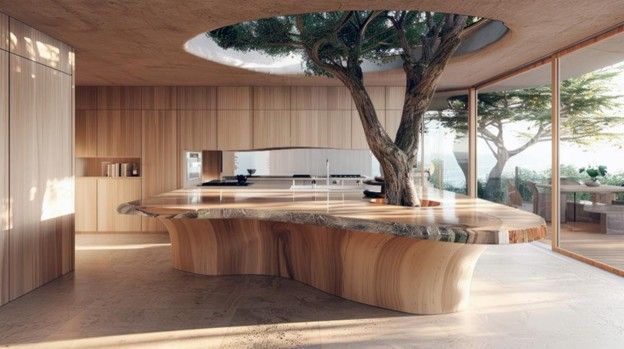
Sustainable wood brings many environmental benefits.
- Decreases deforestation when sourced with proper management.
- Reduces carbon emissions compared to traditional building materials.
- Enhances good indoor air quality due to low chemical levels in eco-friendly wood products.
- Adds natural beauty, warmth, and comfort through natural textures, grains, and colors.
- Offers a marketing advantage, as many eco-friendly spaces are becoming customers’ top priority.
- Sustainable wood highlights environmental responsibility and nurtures brand values.
- Suitable for modern aesthetics, minimalist, rustic, and functional styles. Adapts effortlessly to almost any interior project.
Devon Howard, CEO of Andor Willow, adds, “From a design point of view, sustainable wood adds natural beauty to spaces. Its textures, grains, patterns, and colors offer warmth and comfort. Clients usually feel more connected to nature when natural materials are used indoors.
Hotels and retail stores often use sustainable wood to exhibit their devotion to environmental responsibility.”
Challenges and Considerations
Although sustainable wood has several advantages, there are some challenges and considerations.
- Certified wood can sometimes be more costly due to certification.
- Availability may be a hurdle depending on the location.
- Designers may need to research suppliers carefully. There are greenwashing issues, where companies falsely claim their products are eco-friendly.
- Considering certification labels and supplier transparency is significant.
- Proper maintenance is also essential for increasing its lifespan.
In real estate and interior design, the strongest value lies where form meets responsibility. Sustainable materials don’t just elevate a space — they protect its long‑term worth. When clients invest in thoughtful design, they’re investing in tomorrow.” — Jake Miakota, CEO at Subdivisions.
Conclusion
Sustainable wood materials allow interior designers to adhere to eco-friendly options. Creating beautiful spaces while caring for the environment displays a commitment to a greener planet. Options such as reclaimed wood, bamboo, cork, engineered wood, rubberwood, and certified hardwoods offer sustainable solutions without sacrificing beauty, style, or durability.