


Part of our Business Structures and Roles guide
Founding Partner Meaning
A founding partner refers to one of the individuals or entities that originally established a company, organization, or venture. They are typically involved in the early stages of setting up the entity and often play a critical role in its development, decision-making, and success.
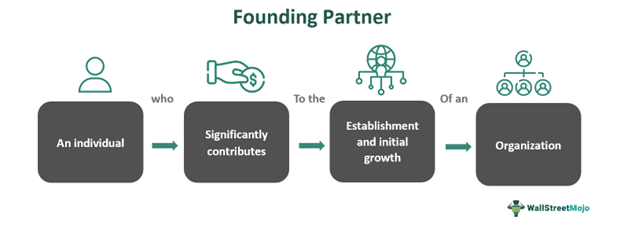
They hold significant importance as they play a crucial role in the establishment and growth of a company or organization. They contribute not only financial resources but also their expertise, vision, and effort to shape the entity’s direction and success from its inception.
Key Takeaways
- A founding partner is an individual or entity that holds a crucial role in the establishment of a company, organization, or venture.
- These partners are instrumental in the initial creation, contributing resources and expertise to shape the entity’s direction.
- They typically have a significant stake in the entity’s success and hold decision-making authority in its early stages.
- These partners focus on the company’s creation, vision, and early-stage strategy. Conversely, managing partners concentrate on day-to-day operations and executing the established strategy.
Founding Partner Explained
The founding partner concept revolves around individuals or entities that come together at the beginning to create and establish a new company or organization. These individuals are instrumental in shaping the entity’s vision, mission, and overall direction. They typically invest their resources, including financial capital, expertise, skills, and connections, to get the venture off the ground. They collaborate closely to make critical decisions about the entity’s structure, goals, and strategy.
The role of founding partners extends beyond just initial contributions. They often hold a significant stake in the entity’s success and continue to be involved in its development as it grows and evolves.
The founding partner job description involves several key elements that contribute to the establishment and success of a new business.
- Initial Idea and Vision: They typically start with a shared idea, vision, or goal that they believe can fill a gap in the market or address a specific need. This idea serves as the foundation upon which the entity will be built.
- Collaboration: These partners often bring together a diverse set of skills, experiences, and expertise. They might have complementary backgrounds, such as technical, business, marketing, or operational knowledge. These diverse skills collectively contribute to the venture’s success.
- Resource Investment: Such partners invest various resources into the venture. This can include financial capital to cover startup costs, develop prototypes, and fund initial operations. However, resources also extend to intellectual property, industry contacts, and personal networks. These assets can open doors and accelerate the venture’s growth.
- Decision-Making: During the early stages, founding partners make critical decisions that shape the entity’s identity and trajectory. This includes selecting the business model, defining the target market, establishing the brand, and setting the overall strategy.
Examples
Let us look at these examples to understand the concept better:
Example #1
Imagine a group of three experienced software engineers who share a passion for sustainable technology solutions. Recognizing the need for efficient waste management, they decide to become founding partners and establish EcoTech Solutions. Each partner invests their technical expertise, contributing to the design of a smart waste collection system. They pool their resources to create a prototype, secure funding from environmentally-conscious investors, and establish partnerships with local municipalities.
As founding partners, they make pivotal decisions, shaping the company’s focus on innovation, community engagement, and environmental impact. Their collaborative effort and shared commitment to their initial vision drive EcoTech Solutions’ growth into a respected player in the green technology sector. They continue to guide the company’s direction and values.
Example #2
Established by Prince William in 2020, The Earthshot Prize represents a prestigious environmental award. Its purpose is to identify and honor solutions capable of steering the world towards a sustainable climate future. The prize aims to expedite and expand these solutions so that societies, ecosystems, and oceans flourish in symbiosis by 2030.
The initiative centers around five fundamental Earthshots – clear and ambitious objectives aimed at healing our planet:
- Safeguarding and Rehabilitating Nature
- Purifying Our Atmosphere
- Resurrecting Our Oceans
- Cultivating a World Without Waste
- Remedying Our Climate
Standard Chartered Bank has announced its participation under the founding partner title in The Earthshot Prize.
Founding Partner Vs. Managing Partner
The difference between these two titles is as follows –
Founding Partner Vs. Co-Founder
The differences between these two titles are as follows:
Frequently Asked Questions (FAQs)
Is a founding partner an owner?
Yes, a founding partner is typically an owner of the company or venture that they helped establish. In return for their contributions, they usually receive ownership stakes or equity in the entity.
Are there legal documents that founding partners need to sign?
Yes, these partners usually sign operational or partnership agreements—or both. The ownership split, decision-making procedures, profit sharing, conflict resolution procedures, and other important partnership details are outlined in these contracts. Having these agreements in place gives a foundation for handling future disagreements or changes. Also, it aids in clarifying roles, duties, and expectations.
How much do founding partners make?
Founding partners often receive equity ownership in the company, which means they have a share of ownership in proportion to their initial investments and contributions. As the company grows and becomes profitable, the value of its equity can increase. They may also receive salaries and performance-based bonuses for their roles within the company. These compensation components can vary significantly based on the company’s financial situation and industry norms.
Recommended Articles
For more on Business Structures and Roles, explore these related articles from our Business Structures and Roles guide.