

Introduction
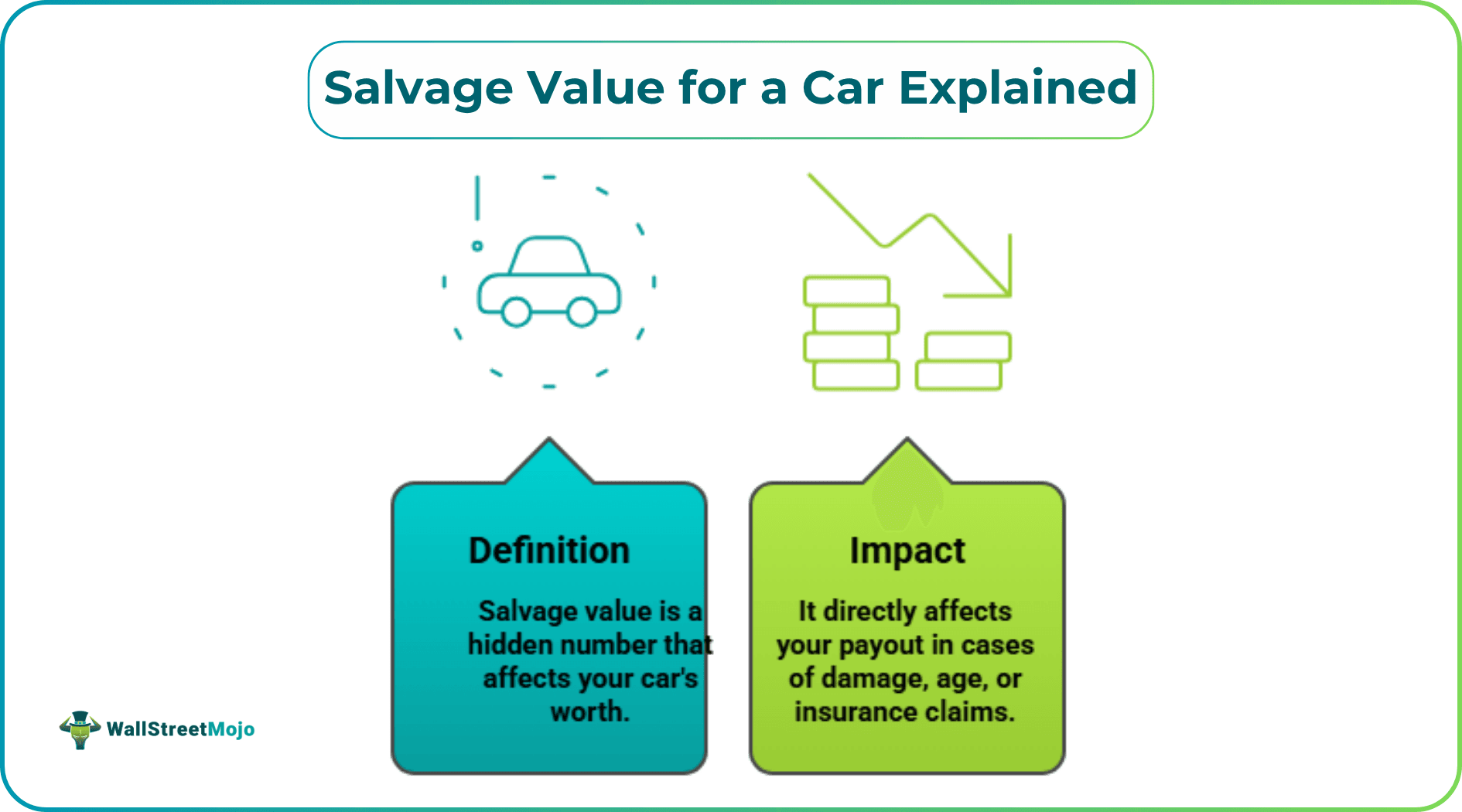
Salvage value is the hidden number that can quietly shape what your car is really worth. Whether you are dealing with damage, age, or an insurance claim, the figure can directly affect your payout.
What Is Salvage Value?
Salvage value for a car is what your damaged vehicle is worth after an accident, theft recovery, flood, or major mechanical failure. Car insurance companies estimate how much they could sell the car for in its current condition to a salvage yard or auction buyer.
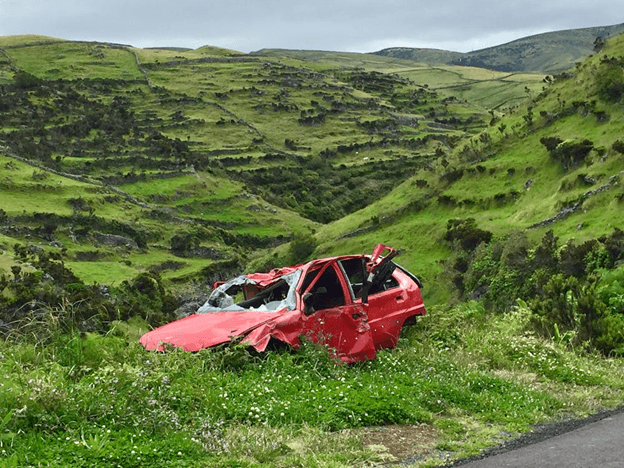
Image source: https://www.pexels.com/photo/broken-car-3368844/
In simple terms, it is the remaining market value of your vehicle as-is. Even badly damaged cars still contain reusable parts, scrap metal, and valuable components.
According to the Automotive Recyclers Association, more than 4 million vehicles are recycled every year in the United States. And about 86 percent of a vehicle’s material content is reused or recovered.
That means your wrecked car still holds measurable value. Steel, aluminum, engines, transmissions, and electronics all contribute to that salvage number.
How Insurance Companies Calculate Salvage Value
Insurance companies rely on auction data, historical sales, and regional demand to estimate salvage value. Adjusters often review bids from national salvage platforms to see what similar damaged vehicles recently sold for.
Industry discussions among insurance professionals commonly note that insurers may recover roughly 20 to 25 percent of a vehicle’s pre-loss value through salvage sales. Strong salvage recovery reduces the insurer’s overall cost on a total loss claim.
Higher salvage value can, therefore, make it more likely that a vehicle is declared totaled.
Several factors influence the final figure:
- The extent and type of damage
- The make, model, year, and trim level
- The current demand for used parts from that vehicle
- The current scrap metal prices in your region
A late-model truck with cosmetic damage may bring aggressive bids. An older compact car with frame damage may bring far less.
Why High Salvage Value Can Trigger a Total Loss
Most states use either a percentage threshold or a total loss formula. Insurance companies compare repair costs plus salvage value against the vehicle’s actual cash value.
When repair costs combined with expected salvage proceeds exceed a certain limit, the insurer declares the car a total loss. A vehicle with strong parts demand can cross that threshold quickly. Even moderate repair bills may not justify fixing it when recyclers are willing to pay well.
The Growing Demand Behind Salvage Prices
Salvage value for a car is closely tied to the broader automotive recycling market. Demand for end-of-life vehicles has increased steadily over the past few years.
A 2025 analysis from Market Growth Reports estimates that more than 27 million cars reached end-of-life in the United States in 2023. That volume feeds a massive secondary industry focused on parts recovery and material recycling.
When millions of vehicles move through the system annually, competition among buyers pushes bids upward.
Automotive material remains in high demand. Strong demand for scrap steel, aluminum, and reusable components increases what salvage buyers are willing to pay. Higher bids often translate into higher salvage values assigned to damaged vehicles.
For you as a vehicle owner, those market forces matter. Increased demand can mean your damaged car is totaled more quickly. It can also mean the vehicle still holds meaningful resale value outside the insurance process.
Salvage Title Versus Salvage Value
Salvage value for a car and salvage title are related but not identical. Salvage value refers to the dollar amount your damaged car is worth in its current condition. A salvage title is a legal brand applied after an insurer declares the vehicle a total loss.
Once a salvage title is issued, resale value typically drops. Buyers associate the designation with structural damage or major repair history.
Insurance companies first determine the actual cash value of your vehicle before the accident. If you choose to keep the car after a total loss, they subtract the salvage value from your payout. Keeping the vehicle usually means accepting less money and managing repairs on your own.
Understanding the distinction helps you compare your options clearly. Selling the vehicle outright may feel simpler than navigating inspections, repairs, and title branding requirements.
Selling a Damaged Car May Make More Sense
So, your vehicle is declared a total loss. The next step is deciding how to convert it into cash.
If you are exploring options for turning a clunker into cash, there are companies, including services in Los Angeles and across California, that will buy any vehicle in any condition.
Requesting a quote from such a company gives you a clear, immediate valuation to compare against your insurance figures.
Approaching Salvage Value with Confidence
Salvage value for a car is more than a line item on an insurance report. It influences whether your vehicle is repaired, totaled, or sold for parts.
Understanding how insurers calculate it and how market demand shapes it gives you leverage during a claim. Reviewing your options carefully and asking the right questions helps you move forward with clarity and confidence.
If this article was helpful, be sure to take a look at our other informative posts!
Recommended Articles
For more on Insurance, explore these related articles from our Insurance guide.