

Part of our Cryptocurrency guide
Introduction
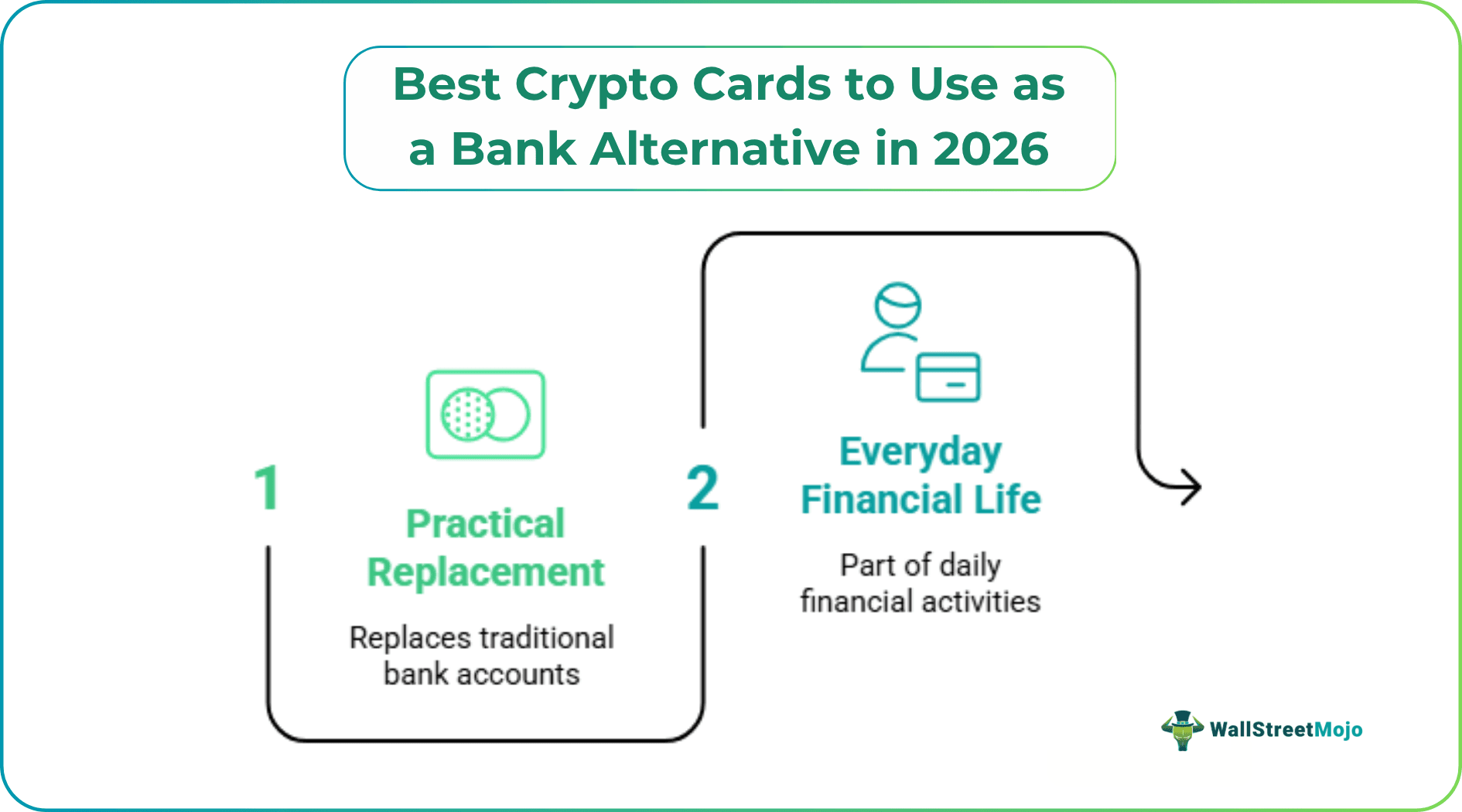
Crypto cards have quietly shifted from novelty to necessity. For a growing number of people, they now serve as a practical replacement for traditional bank accounts, offering a way to spend digital assets at millions of merchants without relying entirely on a conventional financial institution. As crypto adoption continues to expand globally, these cards are increasingly becoming part of everyday financial life rather than a niche tool reserved for early adopters.
When considering the best crypto cards 2026, it’s essential to evaluate their features, fees, and usability for your lifestyle.
Why Crypto Cards Are a Viable Bank Alternative in 2026
What makes crypto cards genuinely compelling is their integration with Visa and Mastercard networks, allowing them to function almost anywhere traditional debit cards are accepted, from local grocery stores to international hotels and online marketplaces. Combined with the wider adoption of stablecoins and digital wallets, crypto cards now offer a realistic alternative for users who want faster access to funds, greater flexibility across borders, and more direct control over their assets.
https://unsplash.com/de/fotos/a-pile-of-bitcoins-sitting-on-top-of-each-other-5kApSEYgMqw
The best crypto cards 2026 provide users with the freedom to spend their digital assets seamlessly.
For freelancers, remote workers, digital nomads, and crypto-native users, these cards can reduce dependence on traditional banking infrastructure. Instead of waiting for bank transfers or dealing with multiple currency exchanges, users can move from crypto holdings to real-world spending in seconds.
Comparing the Top Crypto Cards: Fees and Rewards
Major providers including Bitget Wallet Card, Coinbase Card, Bybit Card, and Binance Card continue to compete on rewards, usability, and ecosystem integration, but their overall approach to crypto spending differs in important ways.
#1 – Bitget Wallet Card
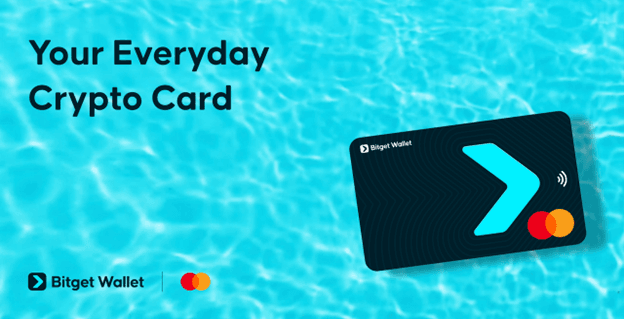
The Bitget wallet card stands out for users looking for a stronger connection between decentralized assets and everyday spending. Built around a Web3-focused ecosystem, the card is designed to simplify the use of on-chain assets while maintaining a smooth payment experience across traditional merchant networks. The integration with the Bitget Wallet ecosystem gives users direct access to digital assets without requiring constant transfers between separate platforms, which can make daily spending more efficient for active crypto users.
Another advantage is the platform’s broader emphasis on accessibility and wallet connectivity, helping users move between decentralized finance and real-world payments with fewer friction points. For individuals exploring crypto as a genuine banking alternative rather than a secondary payment method, Bitget Wallet positions itself as one of the more complete solutions currently available.
#2 – Coinbase Card
Coinbase Card appeals primarily to users already active within the Coinbase ecosystem and those seeking a straightforward crypto spending experience. The interface is familiar for beginners, and the card supports multiple digital assets for purchases. Its strongest advantage is ease of use, particularly for users transitioning gradually from traditional banking into crypto-based financial tools.
#3 – Bybit Card
Bybit Card focuses heavily on international accessibility and trading ecosystem integration. It is often favored by active traders who want quicker access to funds connected to their exchange balances. The card also emphasizes flexible spending options and streamlined asset conversion, which can be useful for users frequently moving between crypto trading and everyday transactions.
#4 – Binance Card
Binance Card remains one of the most recognized names in the market due to Binance’s large global user base and broad asset support. The card is designed for users deeply integrated into the Binance ecosystem and offers a familiar experience for those already using Binance services regularly. Its appeal generally comes from convenience, multi-asset compatibility, and integration with one of the largest crypto platforms in the industry.
What to Look for When Choosing a Crypto Card
#1 – Custody Model: Custodial vs. Non-Custodial
Custodial cards hold your funds on the issuer’s behalf. While convenient, this also introduces counterparty risk because access to your assets ultimately depends on the provider. Non-custodial cards allow users to retain control over their private keys until the moment a transaction is completed. For users who prioritize ownership and decentralization, the custody model can become one of the most important factors in the decision-making process.
#2 – Fees in Practice
Fees vary significantly between providers and card tiers. Some crypto cards include foreign transaction fees, currency conversion costs, ATM withdrawal limits, or inactivity charges. Premium tiers may reduce certain fees but often require staking or maintaining platform-specific assets. Before selecting a card, it is important to evaluate how the fee structure aligns with your actual spending behavior rather than focusing only on advertised rewards.
#3 – Reward Tiers, Staking Requirements, and Limits
Many crypto cards offer cashback incentives tied to platform loyalty programs or token staking models. Higher reward rates may require holding a provider’s native token or maintaining specific account balances. While these benefits can be attractive, users should also consider token volatility and whether the long-term value of the rewards justifies the commitment required to unlock them.
#4 – Geographic Availability and Spending Controls
As the market evolves, the best crypto cards 2026 will lead the way in financial innovation. Utilizing the best crypto cards 2026 can transform how freelancers manage their income.
Availability still depends heavily on regional regulation. Some cards operate globally, while others restrict features depending on the user’s jurisdiction. Beyond availability, practical controls matter as well. Real-time spending notifications, card freezing options, customizable limits, and fraud protection tools can make a substantial difference when relying on a crypto card as a primary financial solution. For those avoiding traditional banks, the best crypto cards 2026 are essential tools.
A Realistic Scenario: Freelancer Using a Crypto Card as a Primary Account
Consider a freelancer paid primarily in stablecoins who decides to use a crypto card as their main spending account. Instead of transferring funds through a traditional bank, payments arrive directly into a crypto wallet and become immediately available for purchases, travel expenses, subscriptions, and everyday spending.
Understanding the tax implications of using the best crypto cards 2026 is crucial for compliance. The setup offers flexibility and faster access to funds, especially for individuals working with international clients. However, it also introduces additional responsibility. Every transaction may carry tax implications depending on local regulations, and maintaining accurate transaction records becomes essential. For many users, the convenience of direct crypto spending is balanced by the need for stronger financial organization and awareness of compliance obligations.
Using a Crypto Card Without a Traditional Bank Account
Many users are curious about the benefits of the best crypto cards 2026 in their daily lives. When choosing among the best crypto cards 2026, consider your spending habits and needs.
Several providers now allow direct crypto funding without requiring a linked bank account. This can be especially valuable for users who prefer decentralized finance tools or have limited access to traditional banking services. Most issuers still require identity verification procedures, including government-issued identification and proof of address, but the onboarding process has generally become faster and more streamlined over time.
As crypto infrastructure continues to mature, the ability to manage spending, payments, and transfers entirely through digital asset platforms is becoming increasingly realistic for a broader range of users.
Tax Implications of Spending Crypto with a Card
In many jurisdictions, spending crypto through a payment card may trigger taxable events because digital assets are converted into fiat currency during the transaction process. This means users may need to track acquisition costs, conversion values, and transaction histories for reporting purposes.
Anyone considering a crypto card as a long-term replacement for a traditional bank account should understand the local tax treatment of crypto transactions before relying on the card for everyday financial activity. Working with a tax professional familiar with digital assets can help reduce compliance risks and improve financial planning.
Frequently Asked Questions (FAQs)
Are crypto debit cards safe for everyday spending?
Yes, provided the issuer supports security measures such as two-factor authentication, transaction monitoring, encryption, and fraud protection systems.
Can I use a crypto card internationally?
Most crypto cards work anywhere Visa or Mastercard payments are accepted, although supported features and fees may vary depending on the region.
What happens if the card provider shuts down?
With custodial cards, user funds are managed by the provider, which creates potential risk if operations are suspended. Non-custodial solutions generally offer greater control over asset access independently of the card issuer.
Do crypto cards support assets beyond Bitcoin?
That depends on the provider. Some support a wide range of cryptocurrencies and stablecoins, while others focus primarily on major digital assets. Reviewing supported currencies before applying is always recommended.
Recommended Articles
For more on Cryptocurrency, explore these related articles from our Cryptocurrency guide.