

Part of our Marketing Analytics guide
Introduction
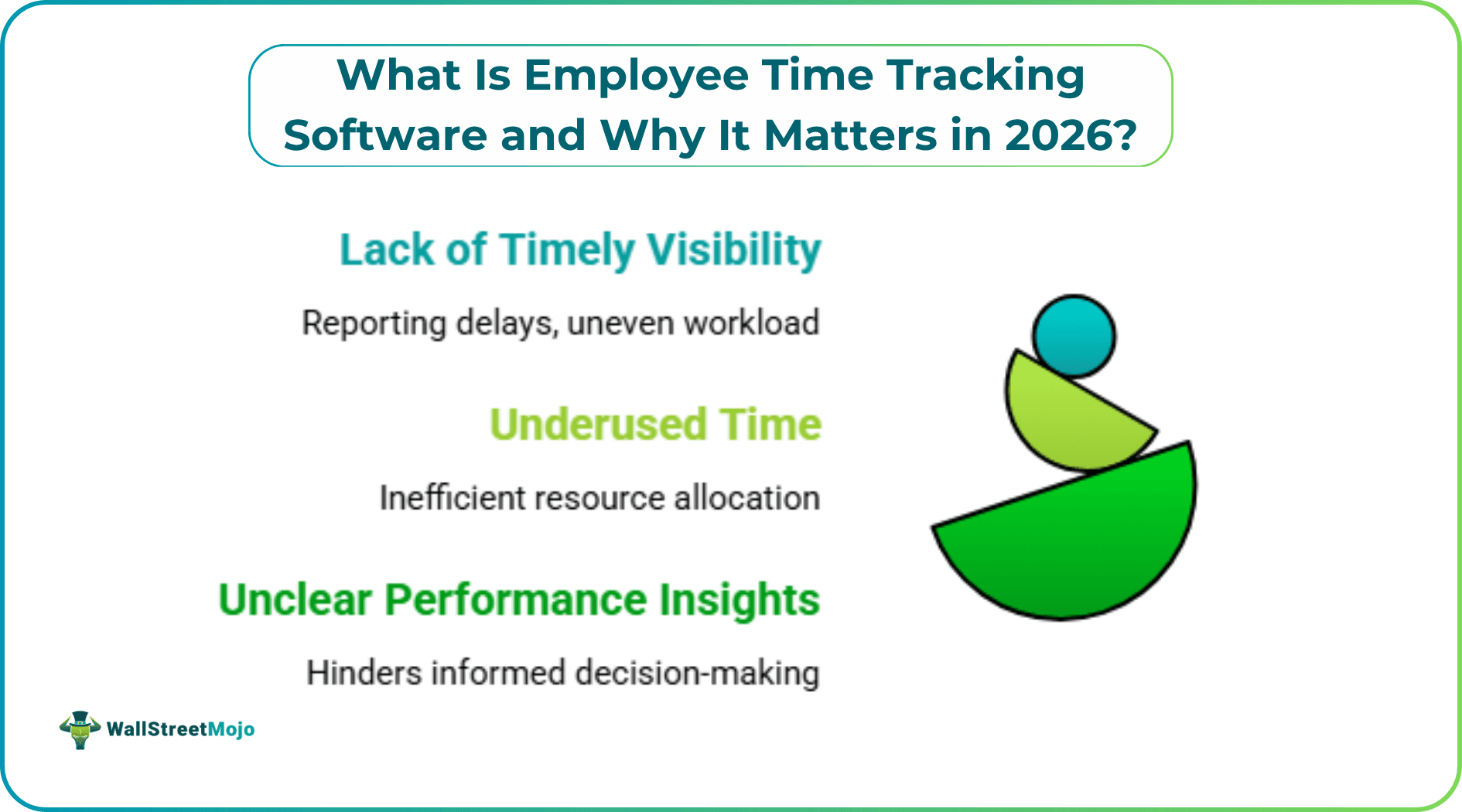
Modern organizations work across multiple locations, tools, and time zones, which makes tracking productivity more challenging than before. Traditional methods often fail to provide timely visibility, leading to reporting delays and uneven workload distribution. Employee time tracking software helps solve this by capturing structured data on work patterns and team activity. It enables leaders to spot underused time, track task progress, and gain real-time performance insights. With clearer visibility, organizations can make informed decisions, improve workflows, and align resources more effectively with business goals.
What Is Employee Time Tracking Software?
Employee time tracking software is a digital solution that records how time is spent across tasks, applications, and workflows during the workday. It captures activity data and converts it into structured insights that support productivity and utilization analysis. The system tracks active and idle hours, categorizes activities by productivity levels, and records application and task usage. It also generates detailed reports to support performance evaluation. When combined with analytics, employee time tracking software helps organizations understand work patterns, improve efficiency, and make informed workforce decisions.
How Has Employee Time Tracking Software Improved?
Employee time tracking software has evolved from simple attendance tracking to delivering real-time visibility and actionable workforce insights.
- Automated Capture: Replaces manual time entry with continuous activity tracking.
- Live Dashboards: Provide real-time visibility instead of static reports.
- Team Insights: Offer both team-level and individual performance views.
- System Integration: Connects smoothly with enterprise tools for better decisions.
These improvements help workplaces quickly identify inefficiencies, balance workloads, and turn work-hour data into meaningful insights for smarter workforce management.
Why Employee Time Tracking Software Matters in 2026?
In 2026, work environments demand continuous visibility and faster decision-making. It is important to respond quickly to changing workloads and performance trends, and productivity-tracking software provides the real-time insights needed to do so.
- Improved Workforce Productivity: Time data highlights how effort is distributed across tasks. It identifies inefficiencies and supports better prioritization of work aligned with business goals.
- Real-Time Operational Visibility: Leaders gain immediate access to workforce activity data. This visibility supports timely decisions and reduces delays in operational response.
- Better Resource Allocation: Time insights reveal underutilized capacity and overloaded teams. This enables balanced workload distribution and improves overall efficiency.
- Support for Distributed Work Models: Hybrid and remote teams require consistent performance measurement. Time tracking ensures transparency across locations and functions. This is particularly important for organizations adopting IT outsourcing Latin America strategies, where engineering teams collaborate across multiple countries and time zones. Reliable time tracking and workforce analytics provide managers with consistent visibility into project progress, resource utilization, and productivity, helping distributed teams maintain transparency, improve coordination, and deliver predictable outcomes regardless of location.
By providing clear, real-time insights into workforce activity, employee time tracking software helps optimize performance and respond effectively to changing demands.
Challenges Organizations Face Without Time Tracking
Without clear time insights, the workplace struggles to understand how teams spend their hours. This lack of visibility can create inefficiencies, uneven workloads, and slower decision-making.
- Limited visibility into workforce productivity
- Inefficient allocation of time and resources
- Inconsistent performance across teams
- Delayed reporting and slow decision cycles
By capturing accurate, real-time data, employee time tracking software helps workplaces pinpoint inefficiencies, streamline operations, and achieve better outcomes.
Key Features to Look for in Modern Solutions
Modern workforce tools now deliver actionable insights that support both day-to-day visibility and long-term growth.
- Real-time Dashboards: Provide instant visibility into performance and productivity.
- Advanced Analytics: Help interpret activity data for smarter decision-making.
- System Integration: Connect smoothly with existing enterprise tools and platforms.
- Flexible Scalability: Adapt easily across teams, locations, and business sizes.
- Efficient Deployment: Use low bandwidth and enable quick, seamless implementation.
These capabilities help organizations turn workforce data into meaningful insights that support better operational decisions.
Business Impact of Effective Time Tracking
Effective time tracking creates measurable business value by improving visibility and strengthening resource management. It helps streamline workflows, which boosts operational efficiency and supports more accurate performance evaluation. Organizations can optimize costs by aligning workforce capacity with real demand and reducing inefficiencies. It also encourages greater accountability across teams by providing clear data on productivity and utilization. Together, these benefits contribute to stronger operational control, smarter planning, and better returns on workforce investments over time.
What Organizations Should Consider Before Adoption?
Before adopting a time-tracking solution, workplaces should ensure the tool aligns with business goals and existing systems. It is important to assess compatibility with the current enterprise infrastructure and evaluate how quickly the solution can be implemented. Strong data privacy and security compliance should also be a priority. The platform should be scalable to support future growth while remaining easy for employees to use, which helps drive adoption. A thoughtful evaluation process helps ensure consistent performance and long-term value.
Conclusion
Employee time tracking software helps organizations gain clearer visibility into daily work and improve overall productivity. It supports better planning, balanced workloads, and more efficient use of resources across teams. By converting work data into practical insights, businesses can make informed decisions and respond more quickly to changing demands. This also strengthens accountability, improves workflow management, and supports consistent performance. Over time, the right solution helps the workplace maintain operational control while building a strong foundation for sustainable growth and long-term efficiency.
Recommended Articles
For more on Marketing Analytics, explore these related articles from our Marketing Analytics guide.