

Part of our Financial Planning guide
Introduction
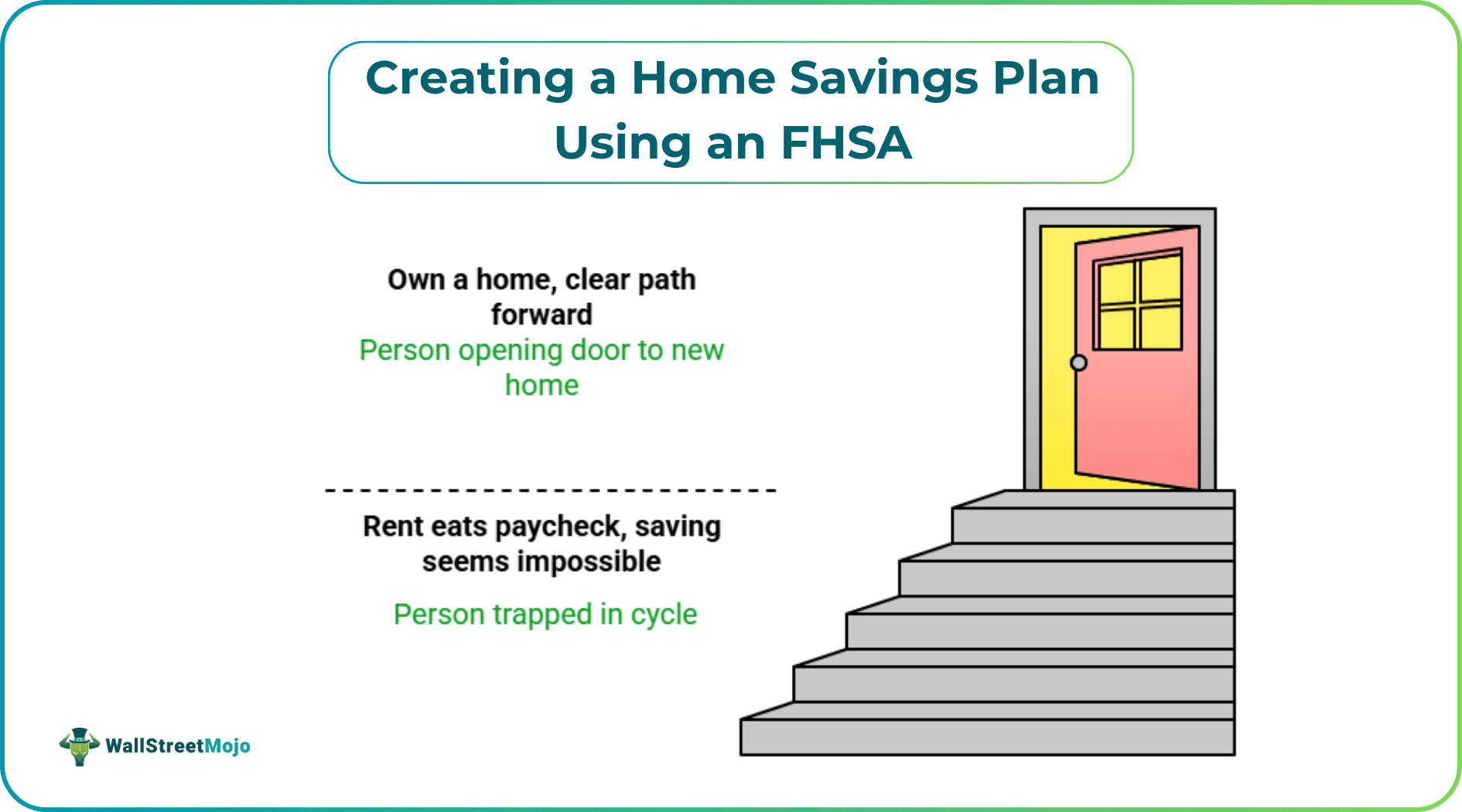
Buying a home feels like a distant dream for many people. Rent eats up your paycheck. Groceries cost more every month. Saving for a down payment seems impossible. But here is some good news. A special account exists to help you. It gives you tax breaks and a clear path forward. You just need a simple plan. Let me walk you through building an FHSA home savings plan from scratch.
Your First Steps Forward
You need a roadmap before you open anything. That means getting started with an FHSA the right way. First, check your age and home ownership status. You must be at least 18. You cannot have owned a home you lived in during this year or the past four years. Then pick a bank or credit union that offers the account. Not every place does yet. Call ahead or check online. Once you find one, open the account with a small deposit. Even $50 works. That locks in your contribution room for the year. You can add more later.
Set Your Target Price and Timeline
Every good savings plan starts with a number. How much home do you want? A $300,000 condo needs a smaller down payment than a $600,000 house. Be honest with yourself. Look at real listings in your area. Pick a realistic target. Then decide on your timeline. Two years? Four years? Write that date on a calendar. Now do the math. A 5% down payment on a $400,000 home is $20,000. You have four years to save that. That means $5,000 per year. Your FHSA gives you $8,000 in annual room. So you have more than enough space. Feel that relief.
Break the Yearly Goal into Bite-Sized Chunks
Big numbers scare people. $8,000 sounds huge. But break it down. That is $667 per month. That is $154 per week. That is $22 per day. Suddenly it feels doable. Look at your spending. Where does $22 go right now? Maybe a lunch out. Maybe two coffee shop drinks. Maybe a streaming subscription you never use. Cut one small thing each day. Move that money to your FHSA automatically. Set up a weekly transfer of $154 from your chequing account. You will not miss it after two weeks. Your brain adjusts.
Match Your Investments to Your Timeline
Do not just leave cash sitting in the account. That cash earns almost nothing. But do not gamble either. A short timeline means safe choices. If you plan to buy in one or two years, use a high-interest savings account inside your FHSA. Some banks offer 3% or 4% right now. If you have three to five years, try a GIC ladder. Buy one GIC that matures in one year. Buy another that matures in two years. Keep going. This way money frees up every year. If you have five years or more, add a low-cost ETF. Something like a balanced fund with 40% bonds and 60% stocks. Review your portfolio every six months. Shift to safer stuff as your purchase date gets closer.
Automate Everything So You Do Not Forget
Willpower runs out. Automation does not. Set up three automatic things today. First, a monthly transfer into your FHSA on payday. Second, an annual reminder to check your contribution room. Third, a calendar alert for January 1st. That alert tells you to make your first deposit of the new year. These small systems remove the mental load. You stop deciding every month. You just let the plan run. I promise this works. People who automate save twice as much as people who do it manually.
Use Tax Refunds to Supercharge Your Savings
The FHSA gives you a tax deduction on every dollar you put in. That means you get money back from the government each spring. Do not spend that refund on a vacation. Do not buy new gadgets. Put that refund right back into your FHSA. This creates a beautiful cycle. You save $8,000. You get roughly $2,000 back as a refund (depending on your tax bracket). You add that $2,000 to next year’s savings. Now you only need to save $6,000 from your paycheck. The government helps you buy your home. That is the whole point of this account.
Plan for the Closing Costs Too
First-time buyers forget about closing costs. These are extra expenses on top of your down payment. You need money for a home inspection. You need land transfer tax. You need legal fees. You might need moving trucks and new locks. These costs add up to 1.5% to 4% of the home price. On a $400,000 home, that is $6,000 to $16,000. Save for this separately. Do not use your FHSA for closing costs. That money is for the down payment only. Open a regular savings account for the extras. Put a little bit there each month. Your future self will hug you.

Review and Adjust Every Six Months
Life changes. Your plan should change too. Maybe you got a raise. Increase your monthly transfer. Maybe you lost a job. Pause contributions for a while. That is fine. The FHSA lets you carry forward unused room. Just open your banking app every six months. Look at your balance. Look at your timeline. Ask yourself one question. Am I on track? If yes, keep going. If no, adjust something small. Cut one more expense. Add a side gig. Push your timeline back by six months. There is no shame in adjusting. The shame is in giving up completely.
You have the tools now. You know the numbers. You have a simple system. Open that FHSA this week. Set up your automatic transfers. Then forget about it. Let the plan do its work. In a few years, you will hold those house keys. That feeling is worth every small sacrifice today.
Recommended Articles
For more on Financial Planning, explore these related articles from our Financial Planning guide.