

Part of our Financial Planning guide
Introduction
Personal injury litigation in Texas presents a range of challenges. Even claims that appear well-founded can collapse if fundamental legal requirements go unmet. Recognizing why cases fail is valuable knowledge for anyone navigating this process. Many of the most common causes of failure are entirely preventable with the right preparation, attentiveness, and legal support.
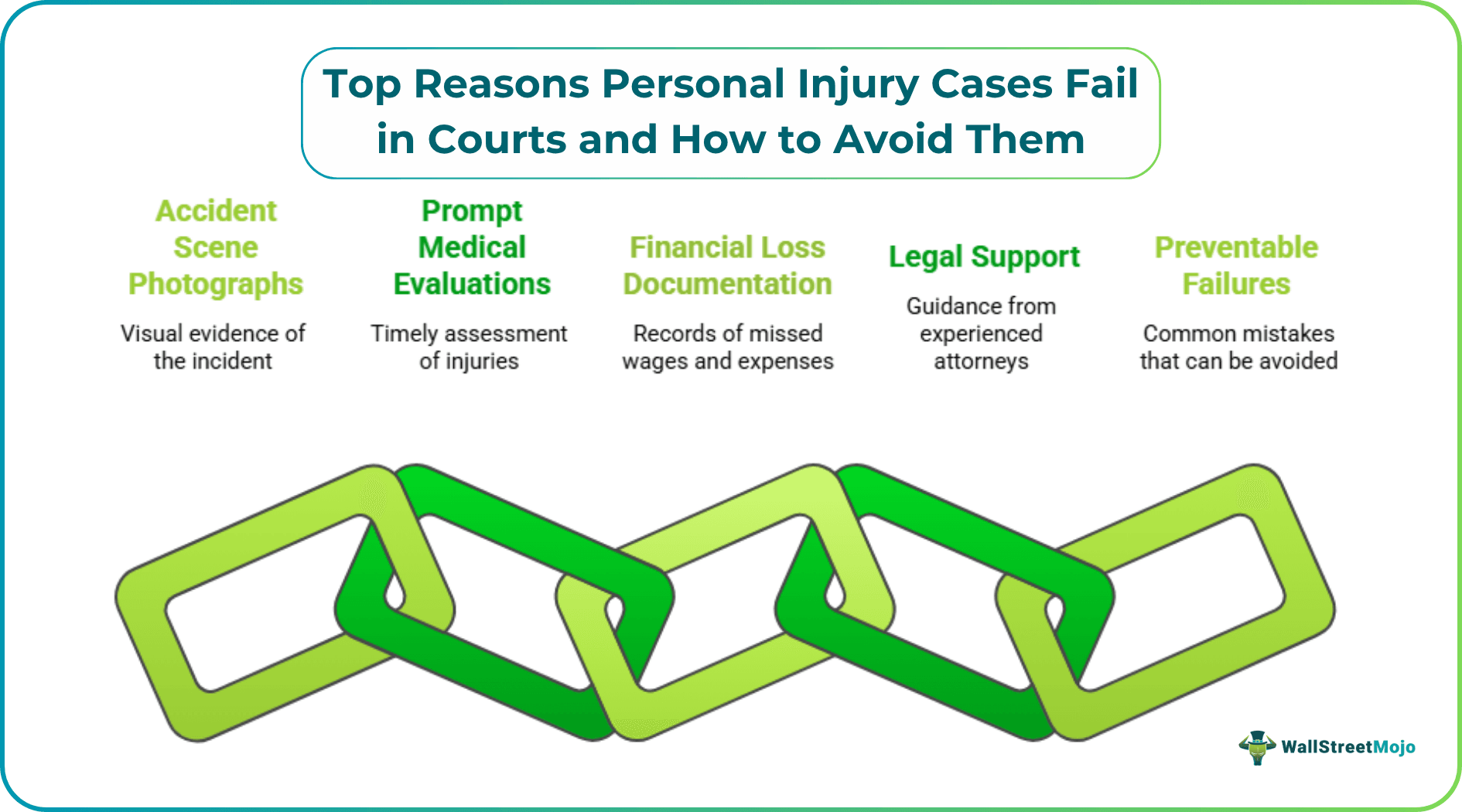
“Photographs of the accident scene, prompt medical evaluations, and careful documentation of financial losses like missed wages and treatment expenses all form the foundation of a well-supported claim,” says Felix Gonzalez, the attorney of Felix Gonzalez Accident and Injury Law Firm.
Failure to Prove Negligence
Every personal injury case rests on the ability to establish negligence. Plaintiffs must demonstrate four core elements. These are duty, breach, causation, and damages. Cases frequently fail when one or more of these elements cannot be adequately proven. Causation is a particularly common sticking point. Courts require clear and credible evidence connecting the defendant’s conduct to the harm suffered.
Thorough documentation addresses this challenge directly. Medical records, accident reports, expert testimony, and witness statements all contribute to establishing the causal chain required for a successful claim.
Insufficient Evidence
A shortage of compelling evidence remains one of the leading causes of failed personal injury claims. Courts do not operate on assumptions. Without tangible proof, even genuine injuries might go uncompensated.
Evidence gathering should begin as early as the circumstances allow.
Delayed Medical Treatment
Waiting to seek medical attention after an injury can seriously damage a claim. Defense attorneys and insurance representatives frequently argue that such delays suggest the injuries were minor or unrelated to the incident in question.
Seeking medical evaluation immediately after an injury serves two purposes. It protects the individual’s health, and it establishes a documented timeline that directly supports the claim. Consistent follow-through with recommended care further reinforces credibility.
Inconsistent Statements
Discrepancies in a plaintiff’s account of events can be profoundly damaging. When statements made to medical providers, insurers, or in court testimony conflict with one another, it gives opposing counsel grounds to challenge the overall validity of the claim.
Accuracy and consistency matter throughout every stage of the process. Qualified legal counsel can help ensure that a client’s statements remain clear, precise, and fully aligned with the supporting evidence.
Failure to Mitigate Damages
Texas law requires plaintiffs to take reasonable steps to reduce the impact of their injuries. This obligation is known as the duty to mitigate. Ignoring medical advice or failing to return to work when able can result in reduced or denied compensation.
Following prescribed treatment plans and actively demonstrating a commitment to recovery signals to the court that the plaintiff is acting in good faith. These aspects strengthen the overall presentation of the case.
Filing Against the Wrong Party
Naming the wrong defendant or failing to include all liable parties is a procedural error that can undermine an otherwise valid claim. This issue arises most often in complex situations involving multiple actors, such as workplace accidents or product liability cases.
A careful and comprehensive investigation is the strongest safeguard. Legal professionals identify all parties who may bear responsibility and ensure that they direct the claim appropriately from the start.
Lack of Legal Representation
Pursuing a personal injury claim without legal representation is possible, but it carries substantial risk. The procedural rules, evidentiary standards, and negotiation dynamics involved in these cases are challenging to manage without professional experience.
Retaining a qualified personal injury attorney improves the likelihood of a favorable outcome at every stage, from the initial filing through settlement negotiations or courtroom proceedings. The guidance of experienced legal counsel can make a decisive difference in how a case unfolds.
Conclusion
Personal injury cases in Texas fail for reasons that are, in many instances, avoidable. Missing critical deadlines, failing to establish negligence, being found predominantly at fault, and presenting insufficient evidence are among the most consequential missteps a claimant can make.
Those who have suffered harm due to another party’s negligence are strongly encouraged to act promptly, document all relevant details, and consult a qualified Texas personal injury attorney. Taking these steps from the beginning protects legal rights and positions a claim for the strongest possible outcome.
Recommended Articles
For more on Financial Planning, explore these related articles from our Financial Planning guide.