

Part of our Business Finance guide
Introduction
Meta Description: Learn how startups can leverage real estate for long-term growth. Discover practical strategies to use property for stability, cost control, and building lasting business value.
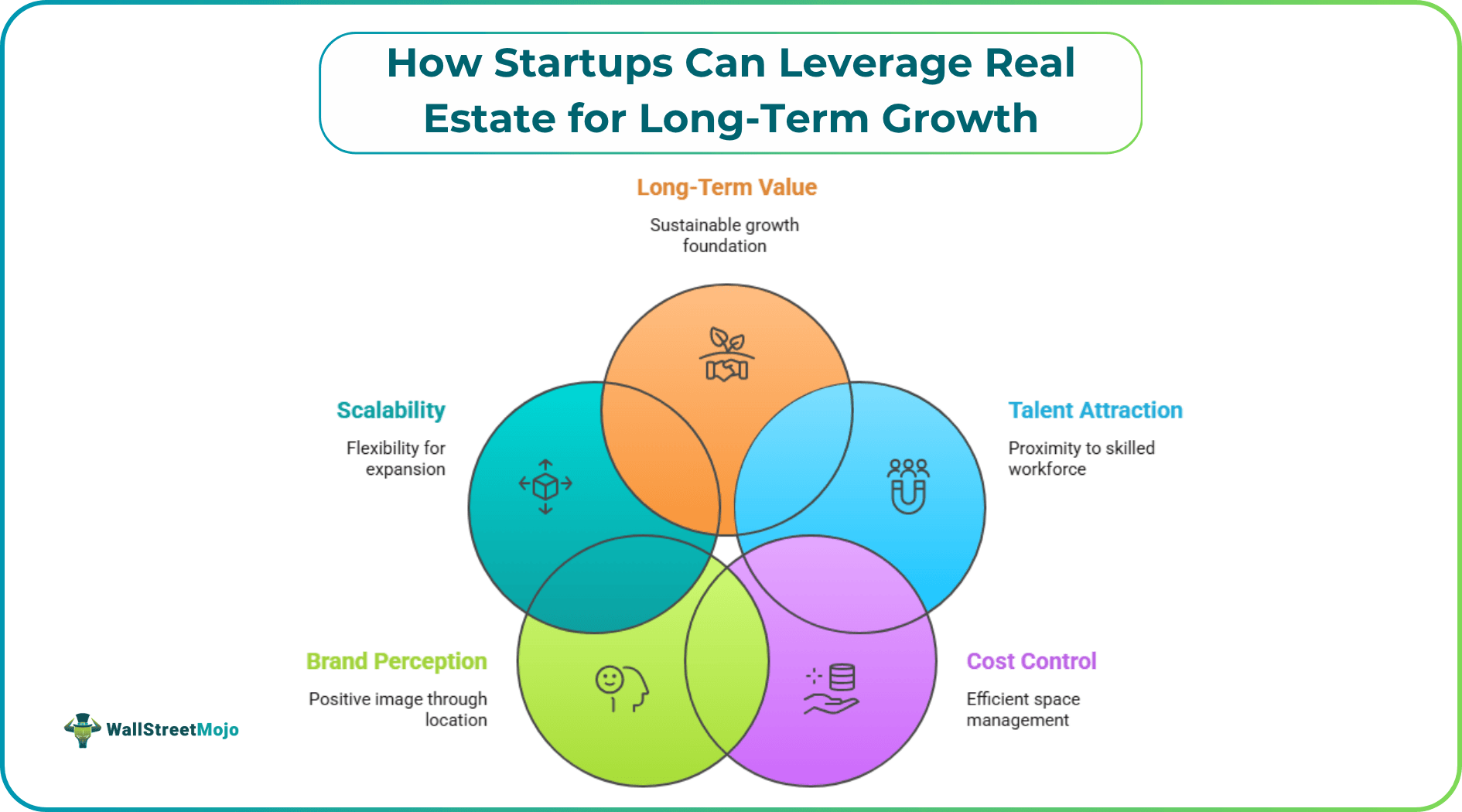
Most startups think of real estate as a cost to manage, not a lever to use. Rent gets paid, a space gets set up, and the focus quickly shifts back to product, sales, and growth. But the place where you choose to operate shapes more than just your daily work. It affects who joins your team, how people perceive your business, how easily you grow, and how strong your foundation becomes over time.
The right real estate decisions can quietly support growth in ways that are easy to miss early on. A well-chosen location can put you closer to talent and opportunities. A thoughtfully designed workspace can improve how your team works together. Even something as simple as your lease terms can give you flexibility when you need it most.
When you look at it this way, real estate stops being just a fixed expense. It becomes part of how you build, scale, and position your business for the long run.
In this blog, you’ll see how startups can use real estate as a strategic advantage instead of treating it as just another line item.

Choosing the Right Location to Drive Business Growth
Where you choose to set up your business plays a bigger role than most people realize. It affects the kind of people you hire, how close you are to opportunities, and how easily your business can connect with the right audience. A strong location can quietly speed up growth, while the wrong one can slow things down without you noticing at first.
Studies show that 46% of all Google searches are seeking local information, and 88% of people who perform a local search on their smartphone visit or call a store within a day.
Source: Object Edge
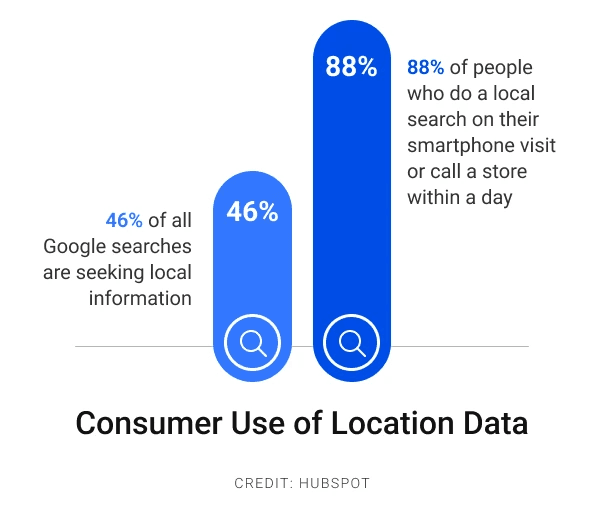
This shows how crucial being in the right geographic area is.
If your business depends on foot traffic, client meetings, or local networking, location becomes even more important. You want to be where your audience already is. But even for online businesses, being in the right city can still help. It can improve your team quality, reduce hiring friction, and give you better access to resources.
“Location plays a major role in real estate decisions because it directly impacts demand, value, and how fast a property moves. The same idea applies to business spaces. A well-chosen location can make it easier to find buyers, attract attention, and close deals faster, while the wrong one slows everything down,” says John Swann, Founder of John Buys Your House.
Using Real Estate to Build Brand Identity
Your workspace says a lot about your business, even before you speak. When someone walks into your office or views your setup online, they immediately form impressions. The design, layout, and overall feel can either strengthen your brand or leave it unclear.
Startups that understand this use their space to reflect their core values. A brand built on simplicity thrives in a clean, minimal environment, while one focused on creativity benefits from open, inspiring layouts. This alignment helps clients, partners, and visitors quickly grasp what your business represents and feel more confident in working with you.
Attention to detail also signals professionalism. Small elements — lighting, furniture, color choices, or how items are arranged — can subtly convey stability and care. Rachel Sinclair, Acquisitions Director at US Gold and Coin, said, “Just as collectors look for quality and precision in rare coins or bullion, visitors notice the thoughtfulness in a workspace. Every choice, from furniture to layout, communicates credibility and attention to detail, reinforcing trust before a single word is spoken.”
Optimizing Cost Through Smart Leasing Strategies
Real estate can take up a significant portion of your expenses if it’s not managed carefully. That’s why making thoughtful leasing decisions can have a direct impact on how much flexibility your startup maintains over time. Choosing the wrong space—or locking into a long, rigid lease—can create unnecessary pressure and limit your options as your business evolves.
Tariq Attia, Founder of IW Capital — EIS Investment, observes, “Startups often overlook how lease terms affect cash flow and growth potential. Flexible arrangements aren’t just convenient, they can be a strategic financial decision, giving young companies the ability to scale without overcommitting resources.”
At an early stage, a long-term lease can backfire in multiple ways. Rapid growth may leave you cramped and scrambling for additional space, while slower-than-expected growth can saddle you with costly square footage that sits mostly unused. Both scenarios tie up capital that could otherwise be reinvested into the business or used to support operational flexibility.
A smarter approach is to prioritize adaptability. Shorter lease terms, co-working options, or modular office setups allow your team to expand or contract without creating financial strain. Thoughtful planning here can prevent a small misstep from becoming a long-term obstacle.
“The right workspace is how it supports productivity and culture. Even in a flexible lease, investing in functional layouts and thoughtful design ensures that the space grows with your team while maintaining an environment that inspires creativity and efficiency,” adds Troy Rivington, Chief Creative Officer of Rivington Marx Interiors.
Investing in Scalable Workspace Solutions
Startups grow fast. What works for a team of five often doesn’t work when the team reaches twenty or fifty. That’s why thinking ahead when choosing your workspace is critical—planning proactively prevents costly disruptions later.
Tyler Fallon, CEO of Casa, an AI-powered Home Advisor, explains, “Using data and predictive insights, you can anticipate how a space will meet your team’s future needs. Just as smart home technology optimizes layouts and functionality, startups can apply similar strategies to ensure their offices scale efficiently without wasting resources.”
A scalable setup gives you room to expand without interrupting your work. This could mean selecting an office with extra square footage upfront or opting for flexible solutions like coworking spaces during early growth stages. The key is to avoid being forced into repeated moves, which consume time, energy, and focus.
Designing your space for flexibility also pays off. Modular furniture, open layouts, and versatile seating arrangements make it easier to adjust as your team grows. Even seemingly small choices — like movable partitions or adaptable meeting areas — can prevent bigger headaches in the future and help your startup maintain momentum.
Leveraging Real Estate as a Financial Asset
Real estate is not just a place to operate from. It can also be something that adds financial strength to your business over time. If you think about it beyond rent, it becomes a long-term asset that can support your growth in different ways.
Mark Lee, Partner of Absolute Properties, notes, “Choosing the right property isn’t only about location. It’s about long-term value. A well-selected space can appreciate over time, giving startups both stability and a potential financial advantage that goes beyond day-to-day operations.”
If your startup owns property, that asset can increase in value over time. Even if you are renting, selecting the right location can give advantages in stability, operational efficiency, and predictable costs. In some situations, real estate can also generate income by renting out extra space or sharing facilities with complementary businesses.
Another angle is using property as leverage. Real estate can sometimes serve as collateral when seeking funding or loans, which can open doors for expansion, hiring, or new investments.
Elisa Roels, Realtor, Owner and President, Broker in Charge of Cape Fear Realty Group, says, “Smart real estate decisions are strategic moves. The right property supports growth, enhances credibility with clients, and can even create additional revenue streams if used creatively. Startups that think ahead in property planning often gain a competitive edge.”
Enhancing Employee Productivity and Retention Through Space Design
The way your workspace is designed has a direct impact on how your team works. It influences focus, communication, and even how people feel throughout the day. A well-thought-out setup can improve productivity without changing anything else in your business.
Sam Ramaswami, Founder of Hot Tub Reviewer, highlights, “Even in spaces designed for relaxation, like wellness areas or showrooms, small adjustments — proper spacing, seating comfort, and workflow flow — make a huge difference in how people engage with the environment. In an office, the same principles apply… When a space is easy to move through and feels comfortable, productivity naturally improves.”
Simple things make a difference. Natural light, comfortable seating, and enough personal space can help people stay focused for longer periods. A cluttered or poorly designed space, on the other hand, can lead to distractions and lower output over time.
Your layout also affects how people interact. Open spaces encourage collaboration, while quiet zones support deep work. A balance between the two helps your team handle different types of tasks without friction. When people can move between focused work and discussion easily, they tend to work more efficiently.
Retention is another area where space matters. People spend a large part of their day at work, so the environment plays a role in how they feel about their job. A space that feels comfortable and thoughtful shows that you care about your team. This can lead to higher satisfaction and lower turnover.
You don’t need a luxury office to achieve this. Even small changes, like better lighting, modular furniture, or a more organized layout, can improve the experience. Marissa Burrett, Lead Design for DreamSofa, says, “When designing living spaces, every detail — from how a sofa aligns with natural light to how people move around the room — matters. Offices can also use thoughtful layouts and furniture that fit the team’s habits to create a space where people actually enjoy working, instead of just occupying it.”
Using Real Estate to Build Strategic Partnerships
Your location can put you closer to people who can help your business grow. When you’re in the same area as other startups, agencies, investors, or industry players, it becomes easier to build real connections. These aren’t forced partnerships—they happen naturally through proximity, shared spaces, and regular interactions.
Raj Dosanjh, CEO of Rentround, shares, “Choosing the right office location is about the ecosystem around you. Being near other innovative businesses or active commercial hubs creates organic opportunities for collaboration, partnerships, and networking. Proximity can be just as valuable as the space itself.”
If your office is in a business district or a known commercial area, you’re more likely to meet the right people. Coffee meetings, local events, and casual introductions can turn into meaningful opportunities over time. Being physically present in the right environment increases your chances of being noticed and remembered, giving your startup a natural boost in visibility and credibility.
Strengthening Customer Experience Through Physical Presence
Having a physical presence can change how customers experience your business. It gives them a place to interact with you, ask questions, and build trust in a more direct way. Even if your business operates mostly online, a physical location adds a layer of credibility.
Raja Ravel, UK-based Bridging Loan Broker and Lead Adviser at BridgeLoanDirect.co.uk, said, “A visible, tangible location signals stability to customers. Whether it’s an office, showroom, or pickup point, people are more confident dealing with businesses they can actually visit. It reassures them that the company is reliable and committed, which can directly influence their willingness to engage or invest.”
For some startups, a showroom, office, or pickup point can make a big difference. It allows customers to see, touch, or experience what you offer. This helps reduce hesitation and makes it easier for them to make a decision.
It also creates a sense of reliability. When people know there is a real place behind your business, it builds confidence. They feel more comfortable engaging with you because there is something tangible they can relate to.
Conclusion
Real estate plays a bigger role in startup growth than most people give it credit for. The space you choose, the way you design it, and how you manage it all feed into how your business performs over time. It affects your team, your finances, and how others see you.
When you approach it with intention, it becomes something that supports your direction and makes growth easier to handle. So the earlier you start thinking about it this way, the stronger your foundation becomes, and the more control you have over where your business goes next.
Recommended Articles
For more on Business Finance, explore these related articles from our Business Finance guide.