


If you’ve bought new glasses lately (or if you need to), you may be surprised by the costs. Like everything else, glasses have become more expensive, and without insurance, a new pair could cost over $500. However, there are some options for reducing the expense. Keep reading to find out what you need to know about the average cost of prescription glasses, your insurance, and other ways to save.
At a Glance:
- The average cost for glasses, including the eye exam, frame, and lenses, has soared to over $500.
- Costs may vary depending on where you live, what doctor you see, and which frames and lenses you choose.
- Vision insurance typically pays a set amount or “allowance” for glasses, and everything over that amount is out-of-pocket.
- Prescription eyeglasses are usually HSA/FSA eligible, so you may be able to use these funds to pay for glasses.
Why Does It Cost So Much to Use Your Own Eyes?
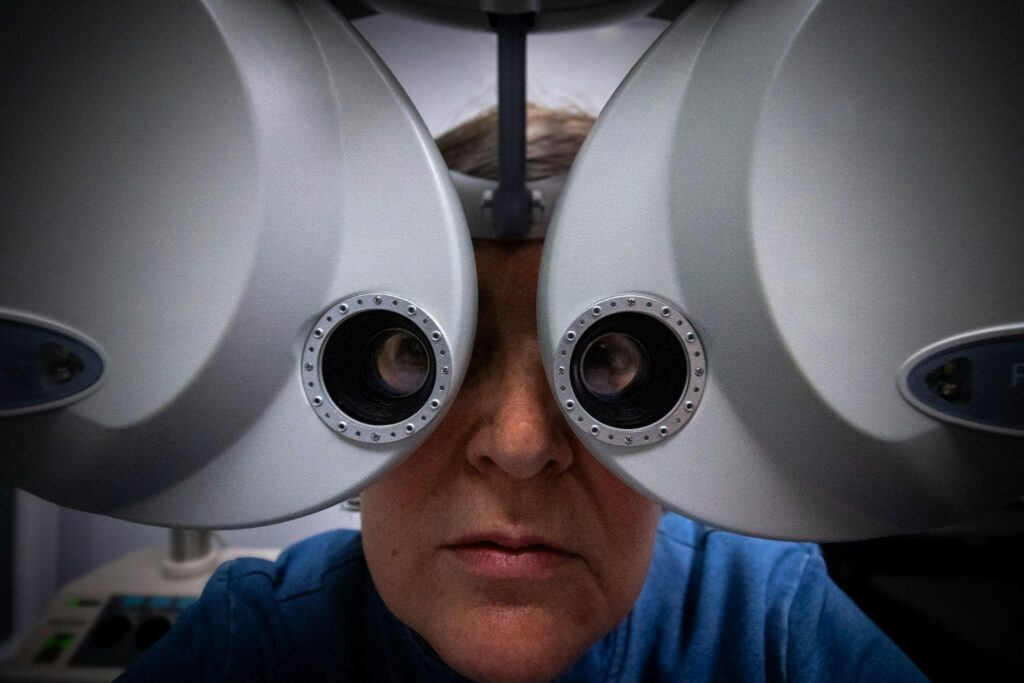
There are a lot of costs involved in acquiring a new pair of glasses. First, you need an eye exam. You should have one regularly if you wear corrective lenses to ensure your prescription is still right for you.
Have you thought about skipping the exam and reusing your old prescription? I know it’s tempting, but it’s not a good idea. Eyes can change quickly, and if your old prescription no longer works, you could have difficulty seeing or develop headaches, eye strain, and other challenges.
So, you should have an exam as often as your eye doctor recommends based on your vision and medical history. For most adults, this would be every one to two years, but some people may need more frequent exams.
Next, you’ll need to pay for your new lenses, then buy the frames separately. This may sound like nickel-and-diming, but it gives you the freedom to choose any pair of frames you want.
Here are the national average costs for all three parts of the process, without vision insurance:
- National average U&C eye exam: $194
- National average U&C single lens: $107
- National average U&C frames: $230
Together, those add up to $531 without vision coverage.

Is That What Everyone Will Pay?
No, those are national averages. Some areas of the country will have higher or lower rates. The cost can also vary significantly depending on where you go for an exam and what kind of frames you choose.
For instance, if you want designer frames, some models cost over $500 all on their own. You can learn who makes popular glasses brands before your appointment so you have a better idea of styles and prices.
On the other hand, if you can live without the designer label, many frames cost less than $100. Even some designer models cost less than $230, especially if you take advantage of a sale.
Other Considerations in Eyewear Pricing
There are several other factors that can affect pricing. For instance, when you choose your lenses, you may be able to select from multiple materials. Your options might look something like this:
- Premium Standard Plastic
- Impact-Resistant Polycarbonate
- Super Thin 1.67 Hi-Index Plastic
- Ultra Thin 1.74 Hi-Index Plastic
These will all have different prices, with Premium Standard Plastic being the least expensive in most cases. However, other options may be more durable.
Let’s say that you’re buying for your child or you have an active lifestyle. You might find that paying a little extra for a more durable lens now is more cost-effective than replacing broken glasses later. This is especially true when you consider that your first pair might use up your plan’s yearly allowance for glasses.
What Does Vision Insurance Cover?
Each policy is a little different, so you should check the details to be certain about what is or isn’t covered. However, here are some general guidelines that apply to most vision insurance policies:
- Routine eye exams are usually covered, although many have a small co-pay.
- Eyeglass frames are typically covered up to a set amount. For instance, a policy may cover up to $200 for frames. Anything over that amount is paid out of pocket.
- Lenses are usually covered completely or with a small copay, including single-vision, bifocal, and trifocal versions.
- Lens enhancements, such as UV coatings or anti-reflective coatings, may or may not be covered. Some policies offer partial coverage, while others offer none.
- Contact lenses are also generally covered, either in full or with an allowance for a set amount. The initial fitting and exam are covered in most cases.
- Corrective surgery like LASIK is sometimes covered partially or available with a discount, depending on the specific plan.
What Can You Do if Your Vision Insurance Doesn’t Cover Enough?
Even with vision insurance, some people find the bill for new glasses a bit much. Here are some options to save money:
- Shop around. If you have your heart set on a particular frame or lens material, compare prices. Shopping for eyeglasses online makes it easier to compare prices, and in some cases, you may save a significant amount simply by buying from a different retailer. This also applies to local eye exams, since some doctors or clinics may have lower rates.
- Shop sales. Online stores like EZContacts frequently rotate sales on various frames. So you can either shop by what’s on sale now or wait until the pair you like is discounted.
- Combine your insurance coverage with online shopping. Some websites allow you to use your vision insurance directly online. Even if a website doesn’t accept your insurance, you may be able to file a reimbursement request with your insurance carrier.
- Check FSA/HSA eligibility. Similarly, many FSA/HSA accounts can be used to buy prescription eyewear, either directly or through a reimbursement request. This is a great idea near the end of the year, when you might have leftover funds you need to use anyway.
- Invest in a good glasses case to protect your glasses when you’re not using them. Hard cases offer the best protection, but a soft case is better than nothing.
Frequently Asked Questions
Can I save money by switching from glasses to contact lenses?
This depends on several factors, but for most people, contact lenses will be more expensive in the long run. In the short term, glasses tend to be more expensive when it comes to initial costs. However, a good pair of glasses may last you years if you take care of them and your eyes don’t change. Soft contact lenses have to be replaced on a daily, weekly, or monthly basis, so you have to keep buying them. You’ll also need to buy contact lens solution if you’re not wearing dailies, in addition to a contact lens case. Costs for both can vary depending on the specific glasses/contacts you buy, and it’s possible you may save money by using contacts. But for most people, glasses will be more cost-effective over time.
Can you recommend some good quality, low-cost frames?
Check out the Vesari line of eyeglass frames. They have classic styles with quality construction, all for under $100.