

Part of our Marketing Strategy guide
Introduction
Telehealth has transformed the way healthcare services are delivered. Patients can now schedule appointments, consult with doctors remotely, access medical information, and receive care without leaving their homes. As virtual care continues to grow, healthcare organizations are investing in digital platforms that provide convenient, secure, and user-friendly experiences.
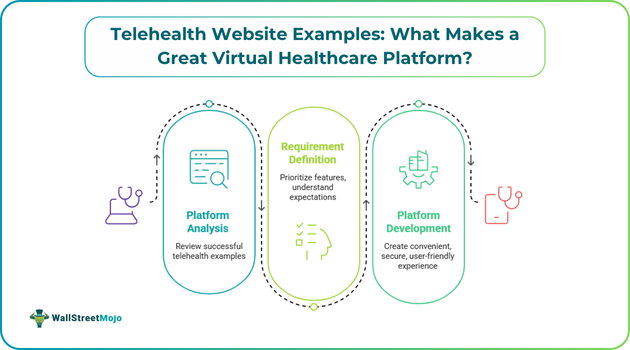
When planning a telehealth solution, many organizations look at existing telehealth platforms for inspiration. Reviewing successful examples can help healthcare providers understand what works, what patients expect, and which features should be prioritized. Companies seeking professional telehealth website design often begin by analyzing established telehealth platforms before defining their own requirements.
In this article, we’ll explore several well-known telehealth website examples and examine the design principles that contribute to their success.
What Makes a Great Telehealth Website?
Before looking at specific examples, it’s important to understand what separates successful telehealth platforms from average healthcare websites.
Strong telehealth websites typically offer:
- Simple navigation
- Mobile-friendly experiences
- Secure patient access
- Online appointment scheduling
- Video consultation capabilities
- Fast loading times
- Accessible design
- Integration with healthcare systems
Most importantly, they reduce friction for both patients and healthcare providers.
A telehealth platform should make healthcare more accessible—not more complicated.
Example 1: Teladoc Health
Teladoc Health is one of the most recognized names in telehealth.
Its platform demonstrates several best practices:
#1 – Clear User Journey
Patients can quickly understand:
- What services are available
- How virtual visits work
- How to get started
#2 – Strong Mobile Experience
The platform is optimized for users who access healthcare services from smartphones and tablets.
#3 – Focus on Accessibility
Information is presented clearly, helping users navigate the platform with minimal effort.
One key takeaway from Teladoc’s design approach is the emphasis on reducing barriers to care.
Example 2: Amwell
Amwell provides virtual care solutions for healthcare organizations and patients.
Several design elements stand out:
#1 – Streamlined Appointment Booking
Patients can quickly search for providers and schedule consultations.
#2 – Provider-Centered Experience
The platform supports healthcare professionals with scheduling, documentation, and patient management tools.
#3 – Professional Healthcare Branding
The website communicates trust, credibility, and clinical expertise.
Healthcare organizations designing telehealth platforms can learn from Amwell’s balance between patient usability and provider functionality.
Example 3: MDLIVE
MDLIVE focuses heavily on patient convenience.
Key strengths include:
#1 – Easy Account Creation
Patients can register and access services without unnecessary complexity.
#2 – Clear Service Categories
Users can easily identify:
- Primary care
- Mental health services
- Dermatology consultations
- Urgent care options
#3 – Mobile-Friendly Design
The platform performs consistently across multiple devices.
The success of MDLIVE demonstrates the importance of organizing healthcare information in ways patients can easily understand.
Example 4: Doctor On Demand
Doctor On Demand is another strong example of patient-focused telehealth design.
Notable features include:
#1 – Simple Homepage Structure
Visitors immediately understand the platform’s purpose and available services.
#2 – Strong Visual Hierarchy
Important actions such as scheduling appointments and accessing care are highly visible.
#3 – Trust Signals
Provider credentials, patient information, and healthcare partnerships are clearly presented.
Trust-building design elements play a significant role in healthcare user experiences.
Example 5: PlushCare
PlushCare combines modern design with healthcare functionality.
Strengths include:
#1 – Clean User Interface
The platform avoids unnecessary complexity and focuses on key patient actions.
#2 – Appointment Accessibility
Scheduling and consultation workflows are designed to minimize effort.
#3 – Transparent Information
Pricing, services, and provider information are presented clearly.
Patients often feel more comfortable using platforms that communicate information transparently.
Common Design Patterns Across Successful Telehealth Websites
Although these platforms serve different audiences, they share several common characteristics.
#1 – Mobile-First Experiences
Successful telehealth websites prioritize mobile usability.
Patients increasingly access healthcare services through smartphones, making mobile optimization essential.
#2 – Fast Access to Care
Users can quickly:
- Schedule appointments
- Find providers
- Start consultations
Reducing the number of steps required improves engagement.
#3 – Strong Security Messaging
Healthcare users want reassurance that their information is protected.
Many leading telehealth platforms highlight:
- Privacy protections
- Compliance standards
- Secure communications
#4 – Simple Navigation
Healthcare information can be overwhelming.
Successful telehealth websites simplify navigation to help users complete tasks quickly.
Features Every Modern Telehealth Website Should Include
Organizations building telehealth platforms should consider incorporating the following capabilities.
- Online Scheduling: Patients expect self-service appointment booking.
- Video Consultations: Secure virtual visits remain a core telehealth requirement.
- Patient Portal Access: Patients increasingly expect online access to healthcare information.
- Secure Messaging: Digital communication improves patient engagement and convenience.
- Mobile Optimization: Responsive design should support all major devices.
- Integration Capabilities: Connections with EHR, EMR, pharmacy, and billing systems improve operational efficiency.
Common Mistakes to Avoid
Studying successful telehealth platforms also reveals mistakes healthcare organizations should avoid.
- Overcomplicated User Flows: Patients should not need extensive training to use a healthcare website.
- Poor Mobile Experiences: Mobile usability directly affects adoption rates.
- Weak Accessibility Support: Healthcare platforms should accommodate users of varying abilities and technical skill levels.
- Ignoring Compliance Requirements: Healthcare regulations influence both design and development decisions.
- Delayed Integration Planning: Integration requirements should be identified early to avoid costly redesigns.
About Langate
Creating a successful telehealth platform requires more than copying existing website designs.
Healthcare organizations need solutions tailored to their workflows, patient populations, and business goals.
Langate helps healthcare providers, startups, and medical technology companies design and develop telehealth platforms that combine usability, security, and scalability.
With extensive healthcare software development experience, Langate delivers telemedicine platforms, patient portals, healthcare websites, remote monitoring systems, and custom healthcare applications. The company works closely with clients to understand clinical workflows, compliance requirements, and user expectations before designing digital solutions.
One of the reasons organizations choose Langate is its ability to combine healthcare expertise with modern UX design principles. Rather than focusing solely on visual design, Langate creates telehealth experiences that improve patient engagement and support healthcare professionals in their daily operations.
From product discovery and UX research to development, integrations, and ongoing support, Langate helps healthcare organizations build telehealth platforms designed for long-term success.
As virtual care adoption continues to expand, Langate remains committed to delivering healthcare technology solutions that improve accessibility, efficiency, and patient outcomes.
Final Thoughts
Reviewing telehealth website examples is a valuable way to understand what modern patients expect from digital healthcare experiences. Platforms such as Teladoc, Amwell, MDLIVE, Doctor On Demand, and PlushCare demonstrate the importance of usability, accessibility, security, and streamlined healthcare workflows.
However, every healthcare organization has unique requirements. The most successful telehealth platforms are those designed around specific patient needs, provider workflows, and business objectives. For organizations planning a virtual care platform, working with an experienced healthcare technology partner such as Langate can help transform proven telehealth design principles into a customized solution that supports both patients and healthcare professionals.
Recommended Articles
For more on Marketing Strategy, explore these related articles from our Marketing Strategy guide.