


Traders should evaluate an online platform before risking capital, as the trading interface is only one part of the decision. A person opening Pocket Option or any other mobile trading platform needs to look beyond speed, chart design, asset lists, and promotional claims. The more important questions are practical: what risks are disclosed, how the account works, whether demo trading teaches real discipline, how deposits and withdrawals are handled, what happens during technical failure, and whether the user has a clear trading plan before clicking a button.
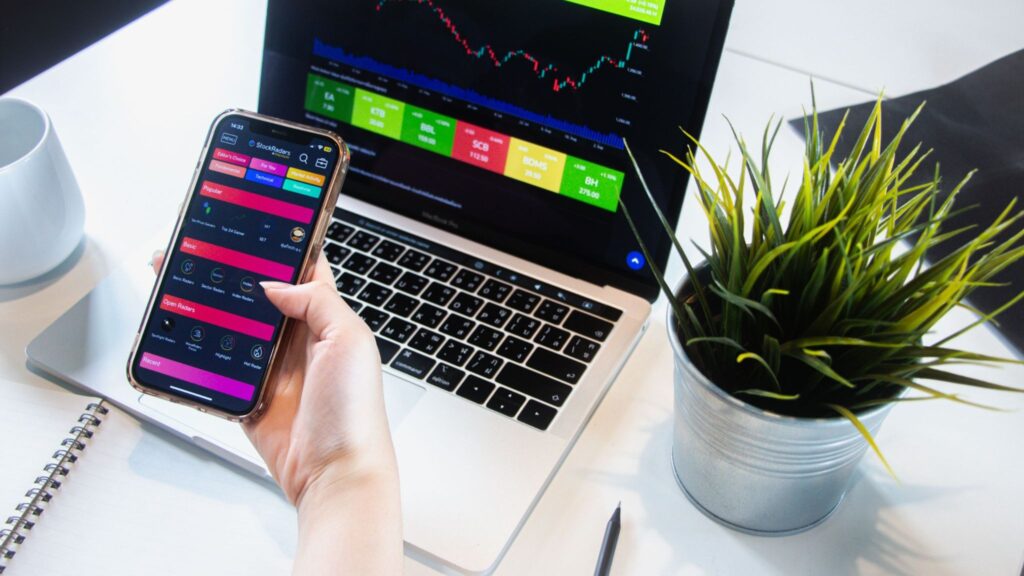
This kind of due diligence belongs in every serious trading routine. A platform may seem simple at first, but the user is still dealing with financial contracts, price movement, emotional pressure, data accuracy, execution timing, account security, and the possibility of loss. For readers who follow financial education, derivatives, market behavior, or retail trading psychology, the useful question is not whether a platform looks modern. The useful question is whether the trader understands the environment well enough to use it responsibly.
Why online trading platform due diligence matters
Online trading has made market access faster, but faster access does not automatically create better decisions. Retail traders can move from curiosity to account creation in minutes, especially when a product is designed for mobile use. That convenience is useful for experienced users, but it can be risky for beginners who have not yet studied contract terms, payout logic, volatility, order timing, or the difference between a demo balance and real funds.
A proper online trading platform due diligence process starts before the first deposit. Traders should read the risk disclosure, test the interface with virtual funds, check account settings, understand withdrawal conditions, review available support channels, and decide how much capital they can afford to lose. This step is less exciting than studying charts, but it protects the trader from confusing platform familiarity with market skill.
Demo trading should teach process, not confidence
A demo account is useful because it lets traders explore the platform without putting real money at risk. It can help them learn where charts sit, how order buttons behave, how account history appears, where settings are located, and how different assets are displayed. That is a valuable starting point for demo trading account practice, especially when someone is trying to understand the mechanics of an unfamiliar interface.
The danger is false confidence. A trader using virtual funds does not feel the same pressure as a trader using real capital. Losses in demo mode may be ignored. Overtrading may feel harmless. A strategy may look stable in a short test but fail when market conditions change. The better use of demo mode is to build routine: define an entry reason, set a maximum daily loss, record each trade, review mistakes, and stop when the plan says to stop.
| What traders test | Weak demo habit | Better evaluation habit |
| Platform layout | Clicking around casually | Follow a fixed test checklist |
| Trade entries | Placing random positions | Record the reason for every trade |
| Risk limits | Ignoring losses because funds are virtual | Set a demo loss limit anyway |
| Asset choice | Jumping between markets | Study one or two instruments first |
| Account history | Looking only at wins | Review all outcomes together |
| Emotional control | Trading longer after losses | Practice stopping on schedule |
Risk disclosure should be read before the interface feels familiar
Many traders read risk warnings too late, usually after they have already formed an opinion about the platform. That order is backwards. Risk disclosure should be part of the first review because it tells the user what type of financial exposure, technical risk, liquidity risk, market risk, and account responsibility may exist.
This information is especially important with fast trading products. The platform may show a clean screen, simple buttons, and quick access to positions, but the underlying decision is still financial. Price changes can move against the trader. Technical issues can interrupt access. Liquidity can affect execution. Currency conversion can affect results. Account misuse or weak security habits can create avoidable problems. A serious online trading risk management routine begins with acknowledging these possibilities before the trader becomes attached to the product.
Risk language should never be treated as a footer detail. It belongs close to the way a trader evaluates platform trust.
Account controls and security deserve early attention
A trader typically starts by looking at charts, assets, and possible returns. Account controls deserve the same attention. Login security, password strength, device access, withdrawal settings, identity verification, transaction history, support contact, and session management all affect the safety of the trading experience.
This is where trading platform security checks become practical. A trader should know how to update credentials, where to review account activity, what verification is required, how support handles account issues, and whether payment information is easy to track. A platform that makes trading actions visible but hides account controls creates a weak user experience, especially for anyone who expects to use the product regularly.
Security is also behavioral. Traders should avoid shared devices, weak passwords, public Wi-Fi without caution, saved credentials on unsecured browsers, and rushed account changes during emotional trading sessions. Good platform habits and good personal habits have to work together.
Trading discipline is a product and user problem
A platform can provide tools, but discipline still belongs to the trader. This is where many retail users struggle. They may understand a chart pattern, follow market news, or test an idea in demo mode, yet still make poor decisions once real money is involved. Losses can lead to revenge trading. Wins can create overconfidence. A quiet market can push someone into low-quality trades simply because they want action.
A strong retail trading behavior routine reduces those mistakes by creating rules before the session begins. The trader decides which assets to watch, how much capital is at risk, what conditions must appear before entry, how many trades are allowed, and when the session ends. These rules are boring only until they prevent a bad decision.
A practical checklist before using any trading platform
Traders can make platform evaluation more objective by using the same checklist each time. The goal is to slow the process down before capital is involved.
- Read the risk disclosure and account terms before depositing.
- Test the demo environment with a written plan.
- Check deposit, withdrawal, and verification rules.
- Review account security settings and device access.
- Confirm where transaction history is stored.
- Start with a limited watchlist instead of too many assets.
- Set a maximum loss per day or session.
- Keep a trading journal for every real-money decision.
- Stop trading when rules are broken, even if the platform is still open.
Fees, withdrawals, and payment rules affect real results
A trader can focus so much on market direction that payment rules become an afterthought. That is a mistake. Deposits, withdrawals, conversion costs, account verification, processing times, minimum amounts, and rejected requests all affect the real trading experience. A platform is not fully evaluated until the user understands how money enters and leaves the account.
A practical review should ask whether the platform explains deposit methods clearly, whether withdrawal conditions are visible, whether identity checks may delay transactions, and whether the user can find help before a payment issue becomes stressful. Even when trading performance looks good on screen, unclear payment rules can weaken trust quickly.
For finance readers, this information is part of trading account evaluation, not customer service trivia. Cash movement, records, confirmations, and account transparency matter because they connect the trading screen to the trader’s real financial position.
Technical reliability matters during volatile markets
Trading platforms are technology products. They depend on servers, internet connections, mobile devices, browsers, app versions, security layers, data feeds, and user hardware. Technical reliability matters most when the market is moving quickly, because that is when delays, freezes, failed logins, or unclear status messages can become costly.
A trader should test the platform in ordinary conditions before expecting it to behave well under pressure. That includes checking the mobile experience, desktop access, chart loading, order confirmation, account history, notifications, and support access. It also includes knowing what to do if the internet connection drops or the device battery fails during an active session.
Low-frequency keywords traders actually search around this topic
Traders often search for very specific questions before they trust a platform. These lower-volume searches reveal practical intent better than broad terms alone. Examples include how to evaluate a trading platform, demo trading account practice, online trading risk management, trading platform security checks, mobile trading platform analysis, and trading account withdrawal rules.
These phrases reflect the real concerns behind platform selection. People want to know whether an interface is safe to explore, whether a demo account is useful, whether the platform explains money movement, and whether they can manage risk without feeling rushed. A good financial education article should meet that intent with clear evaluation steps rather than empty enthusiasm.
The smarter platform choice starts with the trader’s own rules
A trading platform can provide access, charts, account tools, and a working environment, but it cannot replace judgment. Traders still need to understand risk, prepare a plan, protect their account, and avoid decisions driven by pressure or excitement. The strongest platform evaluation begins with a simple question: can the user operate inside this environment without abandoning their own rules?
For anyone studying online trading, Pocket Option and similar platforms can be examined as examples of how modern trading products combine interface design, account management, demo environments, and risk communication. The right approach does not rely on speed alone. It is to check whether the product gives enough visibility for disciplined use.