


Part of our Accounting Concepts guide
What Is Current Income?
Current income is the total amount of money that a person or entity earns during a specific period of time, typically a month or a year. This income can come from various sources, such as employment, rental properties, investments, or business activities.
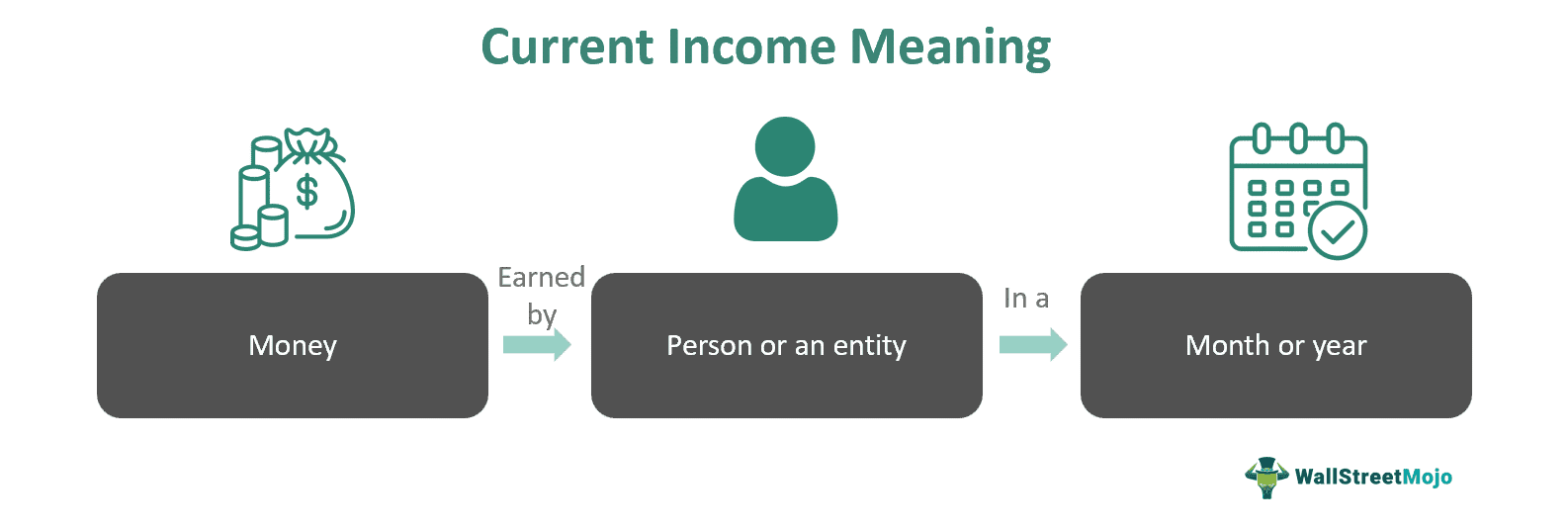
It is essential for meeting the day-to-day expenses of an individual or a family, such as rent, utilities, groceries, and transportation. Without adequate current income, it can be challenging to cover these expenses and maintain a reasonable standard of living.
Key Takeaways
- Current income is the money that an investor receives regularly from their investment. Investors may use this income to cover expenses, reinvest it to achieve further growth, or simply enjoy it as a source of ongoing income.
- Common type of such income includes: interest, dividend, rental, royalty, annuity, pension income etc.
- Current income is focused on the short-term, and can fluctuate over time based on changes in market conditions or other factors.
- Permanent income, on the other hand, takes a longer-term view and reflects an individual’s expected earning potential over their entire working life.
Current Income Explained
Current income works by providing individuals or organizations with a steady stream of money that can be used to cover expenses, save for the future, or invest in various financial instruments. Here are the key components of how such income works:
- Income Sources: Current income can come from various sources, such as employment, rental properties, investments, or business activities. These sources can be either active (earned income) or passive (investment income) and can vary in their frequency and amount.
- Deductions: Once income is earned, it may be subject to various deductions, such as taxes, Social Security contributions, health insurance premiums, or other expenses. These deductions reduce the amount of income available for spending or investing.
- Budgeting: After deducting any expenses, individuals or organizations must budget their remaining income to cover their expenses and save for the future. Budgeting involves prioritizing expenses and allocating income towards different categories, such as housing, transportation, food, entertainment, and savings.
- Investing: Current income can also be used to invest in various financial instruments, such as stocks, bonds, or real estate. These investments can provide additional income streams and contribute to long-term financial growth.
- Adjusting Income: Finally, current income can be adjusted over time by increasing income sources, reducing expenses, or changing investment strategies. For example, individuals can seek promotions, start a side business, or invest in higher-yield assets to increase their income.
Some common types of current income:
- Earned Income: This is income earned from a job or self-employment. It includes wages, salaries, bonuses, commissions, and tips.
- Investment Income: This is income earned from investments such as stocks, bonds, mutual funds, and real estate. It includes dividends, interest, capital gains, and rental income.
- Pension And Annuity Income: This is income received from pension plans or annuities, which are contracts that provide regular payments to an individual in exchange for a lump sum payment.
- Social Security Income: This is income received from the Social Security Administration, a federal program that provides retirement, disability, and survivor benefits to eligible individuals.
- Alimony And Child Support Payments: These are payments received by an individual as part of a divorce settlement or court order.
Examples
Let us look at some examples to understand the concept better:
Example #1
Imagine John is a software engineer who works for a technology company. His annual salary is $100,000, which is his primary source of earned income. In addition, he has a rental property that generates $1,500 per month in rental income, which is his primary source of investment income.
John’s total current income for the year would be:
Earned income: $100,000
Investment income: $18,000 ($1,500 per month x 12 months)
John also receives $10,000 per year in dividends from his stock portfolio, which is another source of investment income. His total current income including dividends would be:
Earned income: $100,000
Investment income: $28,000 ($18,000 in rental income + $10,000 in dividends)
With this current income, John can budget his expenses, save for the future, and invest in additional financial instruments to increase his wealth over time.
Example #2
Suppose Samantha is a marketing executive who works for a multinational corporation. Her annual salary is $120,000, which is her primary source of earned income. She also has a rental property that generates $1,800 per month in rental income, which is her primary source of investment income.
Thus, Samantha’s total current income for the year would be:
Earned income: $120,000
Investment income: $21,600 ($1,800 per month x 12 months)
In addition to her earned and investment income, Samantha receives $5,000 per year in dividends from her stock portfolio, which is another source of investment income. Her total current income including dividends would be:
Earned income: $120,000
Investment income: $26,600 ($21,600 in rental income + $5,000 in dividends)
With this current income, Samantha can pay her bills, save for retirement, and invest in additional real estate or stocks to increase her wealth over time. She may also choose to use her current income to pay down debt, travel, or pursue other hobbies or interests.
Current Income vs Permanent Income
The differences between current and permanent income are as follows:
Frequently Asked Questions (FAQs)
What is the current income tax year?
The current income tax year depends on the country or jurisdiction in question, as tax years can vary between different regions. In the United States, for example, the income tax year runs from January 1st to December 31st. In the United Kingdom, the income tax year runs from April 6th of one year to April 5th of the next year.
What is the current income tax slab?
The current income tax slab depends on the country or jurisdiction in question, as tax laws can vary between different regions. In the United States, the income tax system is based on a progressive tax rate structure, which means that the tax rate increases as income increases.
Difference between current incomes versus capital appreciation?
The key difference between current income and capital appreciation is the timing and nature of the returns they provide. It provides ongoing payments, while capital appreciation generates returns through an increase in the value of the investment over time. Depending on their investment goals and risk tolerance, investors may choose to focus on one or both of these strategies.
Recommended Articles
For more on Accounting Concepts, explore these related articles from our Accounting Concepts guide.