


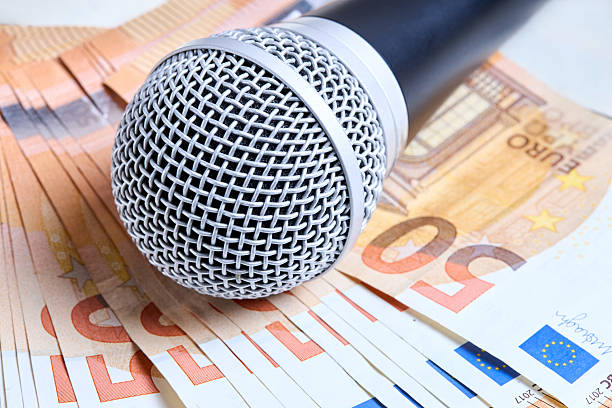
A microphone used to be a simple purchase. Pick one, plug it in, get to work. But once you’re running a business and not just recording as a hobby, someone mentions leasing, and suddenly a simple purchase turns into a real decision with real money on the line.
Recording gear adds up fast once you count mics, interfaces, headphones, and software. For a small business, that cost hits harder than it would for a big studio with money to spare. So the real question isn’t just “lease or buy.” It’s which choice keeps your cash flow steady, matches how long you’ll actually use the equipment, and fits how your business runs day to day.
What Leasing and Buying Actually Look Like in Practice
Both paths get you the same gear in the end. But how you pay for it, and what happens after, works very differently. Once you see how each one plays out, it gets a lot easier to tell which fits your situation.
How Equipment Leasing Works
Leasing means you pay to use the equipment for a set time, usually one to five years, without owning it. When the term ends, you usually get a few choices: hand the gear back, renew the lease, or buy it at a lower price.
Monthly payments are smaller than a loan payment, since you’re not paying for the full item. Many leasing companies also throw in repairs or let you swap for newer gear partway through, which matters a lot when equipment changes as fast as it does in this space.
Before you sign anything, ask if the supplier lets you try the exact unit first. A quick Mic Test on the spot tells you more about sound quality and handling noise than any spec sheet ever will, and it can save you from committing to gear that just doesn’t suit your setup.
How Buying Outright Works
Buying means paying the full price upfront, in cash or through a loan, and the equipment becomes yours the moment you own it. You can use it as long as it lasts, sell it whenever you want, and no contract tells you what you can or can’t do with it.
If cash is tight but you still want to own the gear, an SBA-backed 7(a) loan is one way small businesses buy equipment without draining their working capital. Either way, once the warranty runs out, any repairs are on you.
The Real Costs You’re Comparing
The price tag is only part of the story. The full cost of leasing or buying shows up slowly, over months and years, not all at once. So it’s worth breaking down where your money actually goes.
Upfront Cash vs Monthly Payments
Buying ties up a chunk of cash right away. That’s money you can’t use for payroll or marketing that month. Leasing spreads the cost out, which frees up cash now, but usually costs more in total over time, since you’re also paying for the lessor’s profit along the way.
Picture a small podcast studio bringing in steady monthly bookings. That business can usually handle a lease payment without much stress. A newer studio still chasing its first regular clients might find that same fixed payment turns into a real squeeze during a slow month.
Who Handles Repairs and Maintenance
Once you own equipment, you’re on the hook for fixing it after the warranty ends. Depending on how hard the gear gets used, those repair costs can pile up faster than people expect.
Leased equipment often comes with repairs built into the deal, or at least an easy swap if something stops working. That’s one less headache to manage. Still, read the lease terms closely. Not every leasing company covers the same things, and some charge extra for it.
Tax Treatment Differences
This part trips up a lot of business owners, so it helps to know the basics. Lease payments usually count as a regular business expense, and you deduct them in the year you pay.
Buying works differently. Under a rule called Section 179, businesses can often deduct the full cost of equipment in the year they start using it, instead of spreading that deduction across several years. That can make a real difference at tax time. The rules and dollar limits change yearly, though, so it’s worth checking the IRS’s official guide on depreciating property before you pick a side based on tax savings alone.
Signs Leasing Is the Smarter Move
- Your business changes fast, and last year’s gear might not fit what you’re doing now
- Cash is tight, and a big purchase would stretch your budget thin
- You’re testing a new service and aren’t sure yet how much equipment you’ll really need
- You’d rather skip the hassle of repairs and reselling later
Signs Buying Makes More Sense
- You already know this exact setup fits your work for years to come
- You have the cash without straining the rest of the business
- You want full control, including the freedom to modify or resell the gear later
- You’ll use it heavily enough that a lease would end up costing more overall
Questions to Ask Before You Sign Anything
- What happens if you need to end the lease early? Some contracts charge steep fees for that.
- Who pays for repairs, and how fast can you get a replacement if something breaks mid-project?
- Can you upgrade partway through the lease, or are you stuck with the same model the whole time?
- Who’s responsible if the equipment is lost, stolen, or damaged while it’s in your hands? Some leases shift that cost onto you.
- What’s the buyout price at the end of the lease, and is it actually cheaper than buying new?
Mistakes Small Businesses Make With This Decision
A lot of owners sign a multi-year lease without checking the early exit terms, then get stuck paying for gear they’ve already outgrown. Others swing the other way, buying pricey equipment outright before they’ve even confirmed steady demand for the work it supports.
Skipping the tax conversation is another common slip. Owners assume buying always wins on taxes without checking how Section 179 actually applies to their income and their exact purchase.
Then there’s resale value, which people tend to forget about completely. Some gear holds its value and sells easily used. Other equipment feels outdated within a couple of years, and if you bought it outright, that loss is yours to eat. Lease it instead, and you just hand it back.
The right call comes down to your cash position, how fast your equipment needs change, and how the tax side works out for your specific business. Run the numbers both ways before deciding. What works for a studio with three years of steady contracts won’t necessarily work for a business still figuring out what it actually needs.
Frequently Asked Questions
Is leasing recording equipment more expensive than buying in the long run?
Usually, yes, if you keep leasing the same gear for years. But it can still beat buying if it protects your cash flow or lets you upgrade more often than owning would allow.
Can I switch from leasing to buying later?
Many leases include a buyout option at the end, often at a lower price than buying new. Check for this clause before you sign. Not every lease includes it.
Does leasing equipment affect my business credit?
Some leases get reported to business credit bureaus, similar to a loan. Ask the leasing company directly, since this varies by provider.
What happens if leased equipment breaks during the contract?
It depends on the lease terms. Many agreements cover repairs or swaps, but get that confirmed in writing before you sign. Don’t just assume it’s included.
Is there a minimum business size for equipment leasing?
No. Leasing works for businesses of almost any size, including solo owners. Approval usually depends more on credit history and income than how big the business is.