


What Is An Advanced Shipping Notice (ASN)?
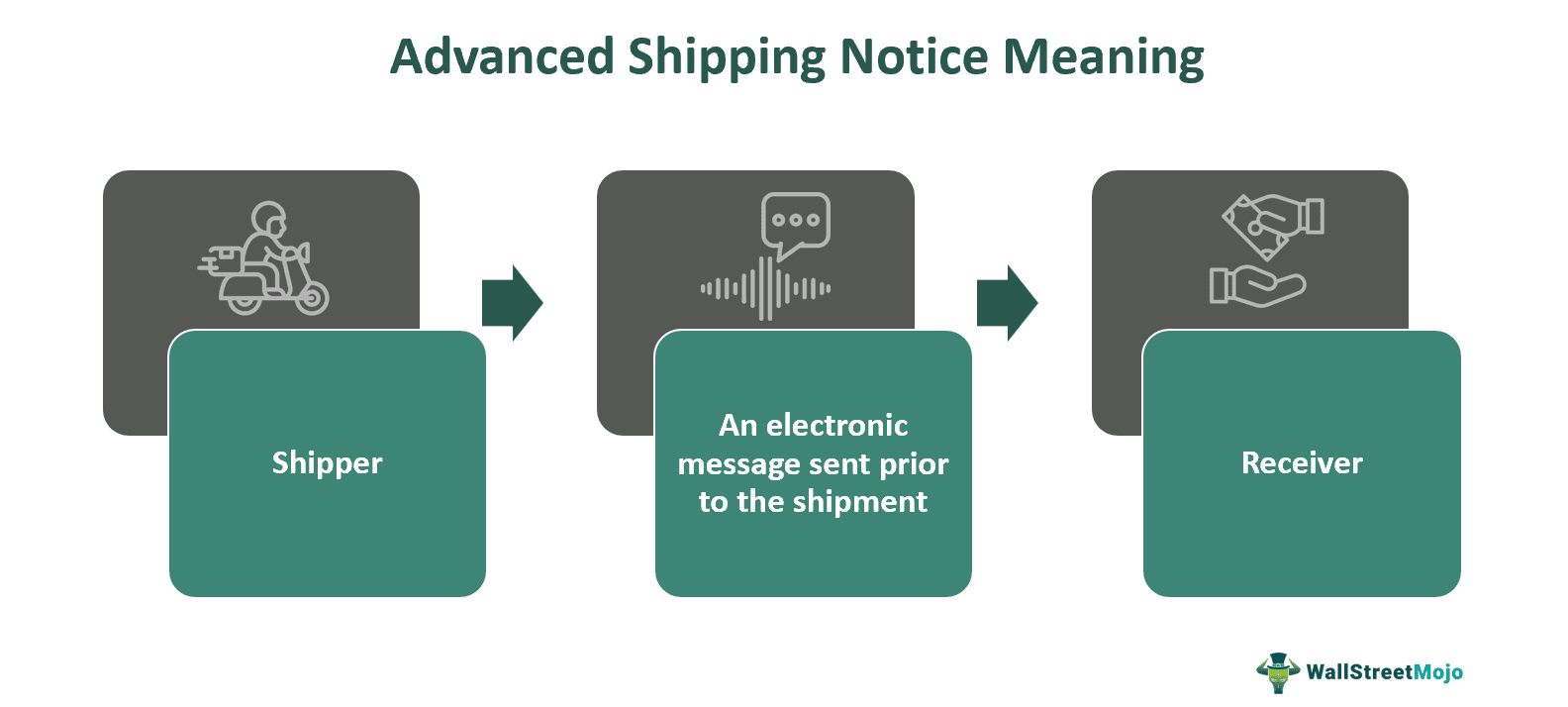
An advanced shipping notice (ASN) is a formal notification of an anticipated delivery. Its objective is to notify the receiver of the shipment’s delivery, as well as provide specific descriptions of its contents, allowing them to be better prepared to receive the items.
It provides several benefits in supply chain management. They improve accuracy by giving complete shipping information, increase efficiency by allowing for prior preparation, and promote order transparency. This leads to improved client experiences and lower costs by reducing mistakes and delays.
Key Takeaways
- ASN, or Advance Shipping Notice, is a document sent to inform recipients about an upcoming shipment. It includes details like contents, quantities, and expected delivery time.
- ASN components include shipment number, shipping date, expected delivery date, ship from/to addresses, purchase order number, item details and quantities, shipment tracking details, packaging information, and UCC128/GS1 numbers.
- Its benefits include better accuracy in shipment details, advanced notice for efficient planning, clear order status, improved customer satisfaction, cost savings from fewer errors, and better inventory management through enhanced forecasting.
Advanced Shipping Notice Explained
Advanced shipping notices, or ASNs, emerged from a requirement for businesses to increase communication and transparency throughout the shipping process. As global trade expanded and supply chains became more complicated, there was a greater need for means to keep all relevant parties up-to-date on shipment data. The ASN was created to fulfill this need, serving as a proactive record that offers early notice of upcoming supplies.
ASNs are widely used in industries like automotive and retail, which rely significantly on just-in-time manufacturing and complex supply chains. Various notifications are a vital tool for various industries, helping them to plan better and organize their receiving operations.
An ASN is more than simply a notification; it’s a comprehensive document that details the shipment’s contents. Its essential components include item descriptions, quantities, transportation information, and the estimated delivery date and time. This electronic data interchange (EDI) document, delivered from the shipper (typically the seller) to the recipient, contains extensive information on incoming materials, including their contents, amount, physical attributes, and weight.
Elements
The key elements included in an advance shipping notice (ASN) are as follows:
- Order Number: A unique identifier for each order, making it easier to trace.
- Shipment Number: A unique number for each shipment that aids in logistics management.
- Shipping Day: The day the shipment starts.
- Expected Delivery Date and Time: The estimated arrival time at the recipient’s location.
- Ship From and To Information (Including Addresses): Details about the shipment’s origin and destination.
- Item Details and Quantity: Information on what is being sent and how much of it.
- Physical Characteristics (Type of Packaging Used, etc.): Information on how the objects are packed.
- Pallet Codes: These codes are used to identify shipments that are put on pallets.
- Shipment Tracking Information (Tracking Number, BOL Number, etc.): Numbers used to track the shipment’s progress.
- Package Details: Additional information on the package, such as size and weight.
- Carrier Information: Details about the firm that will deliver the product.
- UCC 128/GS1 Numbers: Barcodes used to identify objects in shipments.
These elements contribute to efficient shipping operations, clear communication, and precise tracking along the delivery path.
Examples
Let us look at the advanced shipping notice examples to understand the concept better-
Example #1
Consider a small internet business, Elegant Finds, ready to ship a batch of clothes to a local boutique, Chic Business. Elegant Finds sends an advance shipping notification (ASN) to Chic Boutique prior to dispatch. This document contains critical information such as order and shipment numbers, shipping and estimated delivery dates, item descriptions, packaging specifications, and carrier information. Chic Boutique may use this information to anticipate deliveries, manage their receiving procedure, and guarantee that incoming shipments are handled smoothly. ASNs serve an essential role in supporting clear communication and effective logistics, particularly for small enterprises with few resources.
Chic Boutique can prepare for the gowns’ arrival after they get an early shipment notification from Elegant Finds. They evaluate the information supplied, such as the projected delivery date and time, item quantities, packing standards, and transportation information. With this information, Chic Boutique can make the required arrangements to receive the cargo, assign inventory space, and coordinate with their personnel to ensure efficient processing. ASNs allow small businesses like Elegant Finds and Chic Boutique to expedite their shipping operations, improve communication, and provide an excellent experience for both parties engaged in the transaction.
Example #2
Under FDA rules, all imported food commodities are subject to Prior Notice laws, with the exception of those exempt. This includes foods intended for use, storage, or distribution in the United States, as well as those transshipped through the nation or destined for future export or use in a Foreign Trade Zone. Exemptions do exist for specific instances, such as food carried by persons for personal consumption, handcrafted presents delivered to individuals in the United States, and some imported items.
Exemptions also apply to meat, poultry, and egg goods under USDA control, as well as food shipments in diplomatic pouches. Individuals, manufacturers, exporters, brokers, importers, and U.S. agents may all file a prior notice if they have the appropriate information.
Benefits
An Advanced Shipping Notice offers several benefits. Let us look at some of them.
- Speed and Efficiency: ASNs allow for faster shipment processing, ensuring that receivers are prepared to receive inbound products. This results in speedier unloading and storage, which improves overall efficiency.
- Improved Communication: ASNs encourage open dialogue between suppliers and customers. Buyers are constantly kept informed of what to anticipate, resulting in easier operations and better teamwork.
- Improved Accuracy and Error Reduction: By comparing the ASN to the packing list, any inconsistencies may be rapidly discovered and resolved. This enables clients to forecast their labor and inventory requirements more properly, resulting in improved overall supply chain management.
- Increased Supply Chain Visibility: An Advanced Shipping Notice improves supply chain visibility by informing buyers about forthcoming deliveries. This enables clients to more properly forecast their labor and inventory requirements, resulting in improved overall supply chain management.
In summary, an Advanced Shipping Notice helps make the shipping process run more smoothly, transparently, and efficiently, which benefits both suppliers and customers.
Difference between Advanced Shipping Notice And Purchase Order
| Advance Shipping Notice | Purchase Order |
| It notifies the buyer about an upcoming shipment, providing detailed information like what’s being shipped and when it’s expected. | A formal request from the buyer to the seller to purchase specific items or services, detailing what’s being ordered, quantities, prices, and terms. |
| Includes shipment details such as item descriptions, quantities, packaging, and delivery information. | It specifies the items to be purchased, quantities, prices, payment terms, and any other agreed-upon conditions. |
Frequently Asked Questions (FAQ)
Frequently Asked Questions
Who provides advance shipping notice?
The Advanced Shipping Notice is a document issued by the shipper, which is often the seller or supplier in charge of delivering the products to the customer. This implies that the ASN is generated and issued by the person responsible for starting the shipment, packing the goods, and arranging for transportation.
What is ASN in SAP?
ASN in SAP stands for Advanced Shipping Notification, a function in SAP Supply Network Collaboration (SAP SNC) that allows suppliers to notify customers of future deliveries. It comprises information such as items, quantities, and projected delivery periods, allowing for more efficient logistics and coordination between suppliers and buyers.
What is the difference between ASN and EDI?
EDI (Electronic Data Interchange) is a broad word that refers to multiple electronic data transfers in business. ASN (Advance Shipping Notice) is a type of EDI used to notify receivers of incoming goods. Thus, EDI is a broad notion, and ASN is a specialized use inside it.